
Pruning
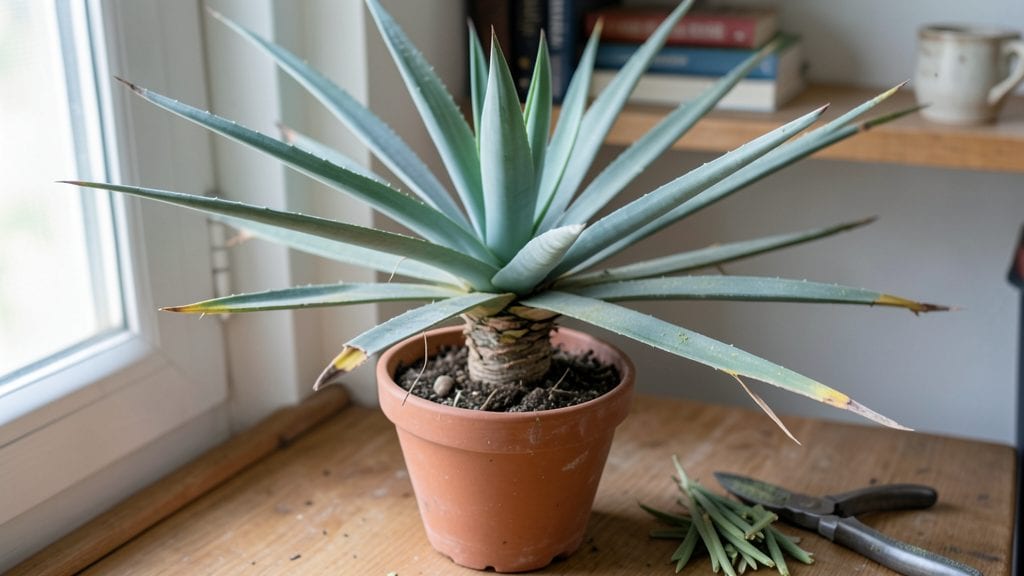
Pruning outdoor yucca plants transforms them from scraggly relics into striking architectural stars. 🌿 I’ve watched my own yuccas go from sad, overgrown clumps to bold, healthy specimens just by making three simple cuts at the right time—and it’s easier than you’d think.
The secret isn’t complicated: prune after blooming in late spring or early summer, when the plant has stored energy for regrowth. You’ll need sharp pruners or a clean saw, plus a little patience to spot the dead or damaged leaves hiding in the thick rosettes.
Most people overlook the brown, crispy stems at the base, but those are the first to go—they’re just stealing energy from the plant.
After cutting, your yucca will reward you with fresh, vibrant growth within weeks. The new shoots emerge faster than you’d expect, and the plant focuses its energy on blooming instead of maintaining dead foliage. By winter, it’ll look like a well-groomed sculpture, not a neglected corner of your yard.
This method works for all outdoor yuccas, from the classic Yucca rostrata to the smaller Yucca filamentosa. Just remember: never prune more than one-third of the plant at once, and always sterilize your tools between cuts to avoid spreading disease. Your yucca will thank you with years of low-maintenance drama.
📚 In This Guide
- What you need
- Instructions
- Tips and common mistakes
- Wrapping up and next steps
What you need
- ● Pruning shears or bypass pruners – Choose sharp, sterilized tools with a 4- to 6-inch blade for clean cuts.
- ● Rubbing alcohol (70% isopropyl) or bleach solution – For sterilizing tools before and after pruning (1 part bleach to 10 parts water).
- ● Gloves (heavy-duty, cut-resistant) – Yucca leaves can be razor-sharp—protect your hands!
- ○ Disposable pruning bags or bucket – To collect and dispose of clippings (optional but helpful for cleanup).
- ● Garden kneeler or stool – For comfort when working close to the ground.
- ● Hose or water source – To rinse tools and clean up sap or debris.
- ● Hand pruners (for smaller stems) – If your yucca has delicate offshoots.
- ○ Pruning sealant (optional for large cuts) – Helps prevent disease in wound-prone varieties.
- ● Garden twine or zip ties – To temporarily secure heavy branches during drying.
- ● Notebook & pen – To jot down pruning notes or track growth patterns.
How to prune outdoor yucca plants for healthier, bushier growth
Yucca plants reward sharp pruning with dramatic, year-round improvements. Here’s the exact method I use to keep mine thriving.
✂️ Step 1: Remove Dead or Damaged Foliage First
Start by inspecting your yucca for brown, crispy, or broken leaves—these are the first to go. Use clean, sharp pruning shears to cut 1 inch above the base of the damaged leaf, just where it meets the stem. This prevents unsightly stubs and reduces disease risk. I always work on a dry day; wet leaves can harbor bacteria when cut.
If a leaf is only partially damaged, leave it alone. Yucca leaves are tough—they’ll often recover fully. Focus only on leaves that are completely brown or torn. After removing dead foliage, your plant will look instantly cleaner, and new growth will emerge faster from the healthier base.
✂️ Step 2: Prune Overgrown Stems for Bushier Growth
Yuccas grow tall and leggy over time, but you can encourage a fuller shape by cutting back overgrown stems. Look for the third or fourth node from the top—this is where new side branches will sprout. Make your cut just above the node at a 45-degree angle for better water runoff and reduced rot risk.
Never cut more than one-third of the plant’s height at once. This ensures the yucca retains enough energy to regrow without stress. After pruning, the cut stem will eventually dry out and die back, but within weeks, you’ll see new shoots emerging from the nodes below. I’ve pruned mine in late spring, and they’ve doubled in width by summer.
✂️ Step 3: Trim Off Flower Stems After Blooming
Yucca flowers are stunning, but they sap energy from the plant. Once the blooms fade, cut the entire flower stalk at the base where it meets the main stem. Use sharp shears to avoid tearing the plant tissue. This redirects the plant’s energy back into foliage and root growth, keeping it lush for longer.
If you want to propagate from the cuttings, place the trimmed flower stalk in a shady, dry spot for a few days to let the cut end callus over. Then, plant it in well-draining soil—it often roots successfully. Just remember, yuccas prefer to focus on leaves over flowers, so pruning spent blooms is a win-win.
💧 Step 4: Post-Pruning Care for Faster Recovery
After pruning, give your yucca a deep watering to help it recover. Water only at the base, avoiding the leaves to prevent rot. Yuccas are drought-tolerant, but pruning stresses them, so they’ll appreciate the extra moisture for 2-3 weeks afterward. Stop watering once new growth appears—this signals the plant is back on track.
Hold off on fertilizing for 4-6 weeks post-prune. The plant needs time to redirect its energy into healing and regrowth. Once new shoots emerge, you can resume feeding with a balanced, low-nitrogen fertilizer in early spring. I’ve found that patience here pays off—my pruned yuccas bounce back stronger than ever.
Tips & tricks for perfect outdoor yucca pruning
Here's what I've learned after years of keeping my yuccas thriving—these tricks make all the difference in how your plant responds.
Timing is Everything: The best time to prune is in late spring when new growth is just starting. This gives your yucca plenty of warm weather to recover and establish new shoots before winter. I've pruned in summer too, but the recovery was noticeably slower—new growth took twice as long to appear.
Tool Prep Matters: Before you start cutting, sterilize your pruning shears with rubbing alcohol or a 10% bleach solution. This prevents spreading diseases between cuts. I also like to sharpen my shears before each session—dull blades can tear plant tissue, making cuts heal more slowly. A clean, sharp cut is your first line of defense against infections.
Node Identification Tip: When looking for the third or fourth node in Step 2, count from the top of the stem. The nodes are those little bumps where leaves used to grow—you'll see them clearly if you examine the stem closely. I like to use a small flashlight to check in shady spots where nodes might be harder to see. Making your cut just above a node is crucial for encouraging new growth from that exact spot.
Post-Prune Observation: After your deep watering, keep an eye on the cut stems. They'll naturally dry out and turn brown over 2-3 weeks, but if you notice oozing sap or dark spots, that's a sign of rot. In that case, trim off the affected area immediately and let it dry completely. Healthy cuts should form a callus within a week, which is a good sign your yucca is on the mend.
Pro Tips for Outdoor Yucca Plant Pruning
- Here's what I've learned after years of keeping my yuccas thriving—these tricks make all the difference in how your plant responds.
- Timing is Everything: The best time to prune is in late spring when new growth is just starting.
- Tool Prep Matters: Before you start cutting, sterilize your pruning shears with rubbing alcohol or a 10% bleach solution.
Frequently asked questions
Got questions about pruning your outdoor yucca plant? You’re not alone! Here are some of the most common concerns—and straightforward answers—to keep your plant thriving.
When is the best time of year to prune a yucca plant?
The ideal time to prune yucca is late winter or early spring, just before new growth begins. This timing minimizes stress on the plant and allows it to recover quickly. Avoid pruning in extreme heat or cold, as the plant may struggle to heal properly.
Can I prune a yucca plant in the fall?
While you can prune in fall, it’s not ideal. Fall pruning can leave the plant vulnerable to cold damage or pests before winter. If you must prune later in the year, do so at least 6 weeks before the first frost to give it time to recover.
What should I do if my yucca plant looks sad after pruning?
Don’t panic! A little wilting is normal, but if your yucca looks severely stressed (yellowing leaves, drooping, or no new growth), it may need extra care. Water lightly (yuccas hate soggy roots) and avoid fertilizing for 4–6 weeks. Most bounce back within a few weeks.
Do I need to sterilize my pruning tools for yucca?
Yuccas are susceptible to fungal and bacterial infections, especially after pruning. Always clean your shears or saws with rubbing alcohol or a 10% bleach solution before and after use. This simple step prevents diseases from spreading to other plants.
Can I propagate my yucca from the cuttings?
Yes! Healthy yucca cuttings can root easily. After pruning, let the cut ends dry and callus for 1–2 days, then plant them in well-draining soil. Keep the soil slightly moist (not wet) and place in bright, indirect light. Roots should form in 4–8 weeks!
Wrapping up and next steps
Pruning your outdoor yucca plant doesn’t have to be intimidating—just a few strategic cuts can keep it thriving year-round! 🌿 By removing dead foliage, shaping for airflow, and encouraging new growth, you’ll ensure a healthier, more vibrant plant.
Remember, timing and technique matter, so take your time and observe your yucca’s response.
Ready to give your yucca the care it deserves? Grab your pruners and start trimming today! For extra confidence, revisit our FAQs section or watch a quick tutorial to see the process in action. Your yucca will thank you with stunning, year-long beauty! ✨