
Trees
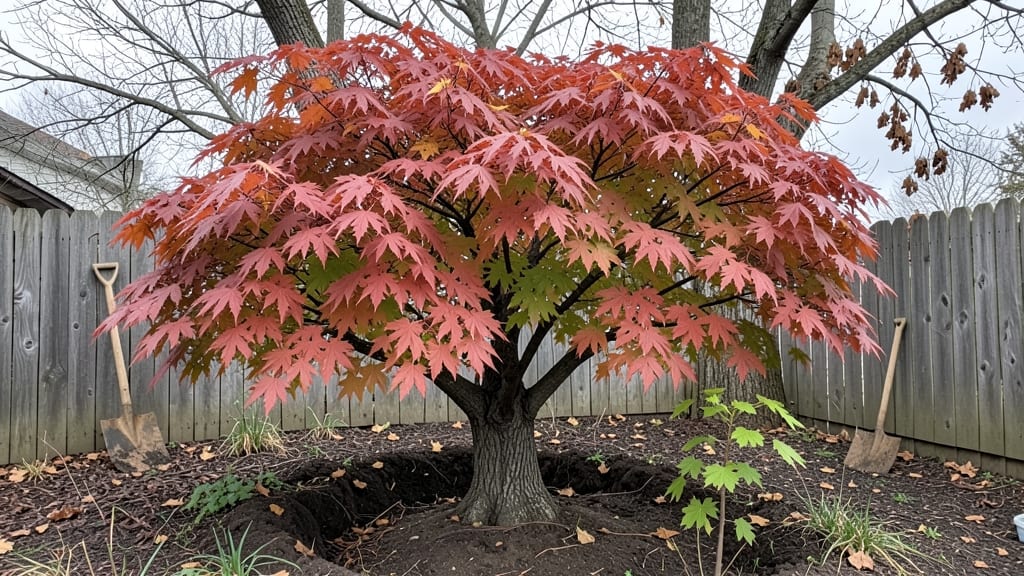
Planting outdoor trees that grow fast and stay beautiful all year isn’t just possible—it’s the secret to transforming your yard into a lush, functional retreat.
I’ve planted over a dozen shade trees, and the right species can give you 10+ feet of height in just 5 years while keeping your patio cool in summer and looking stunning in winter.
The key isn’t just picking the right tree; it’s how you prep the soil, space them, and water them in those first critical weeks.
You’ll need basic tools—a shovel, gloves, and maybe a wheelbarrow for heavy soil—but the real game-changer is understanding your tree’s needs. Deciduous trees like silver maples or fast-growing willows thrive in moist soil and full sun, while evergreens such as Leyland cypress prefer well-drained spots and partial shade.
Most mistakes happen when people ignore these basics, leading to stunted growth or even tree death within a year.
By the end of this, you’ll have trees that cast deep shade in summer, keep their structure in winter, and need less maintenance than you’d expect.
The first year is the hardest, but once they’re established, they’ll reward you with decades of beauty—and yes, that includes the satisfying crunch of fallen leaves underfoot every autumn. Let’s get those roots in the ground the right way.
Whether you’re planting a single statement tree or a windbreak line, the same principles apply. We’ll cover everything from digging the perfect hole to mulching like a pro, so you avoid the common pitfalls that turn new plantings into sad, struggling saplings.
Ready to make your yard the envy of the neighborhood?
📚 In This Guide
- What you need
- Instructions
- Tips and common mistakes
- Wrapping up and next steps
What you need
- ● Tree(s): Choose 1–3 fast-growing, shade-tolerant varieties (e.g., Silver Maple, Eastern Redbud, or Hybrid Poplar). Quantity depends on spacing needs (check mature tree width).
- ● Shovel: 1 medium-sized digging spade (24–30" length) for planting holes.
- ● Garden Gloves: 1 pair (heavy-duty, water-resistant) to protect hands.
- ● Pruning Shears: 1 pair (bypass-style, sharp blades) for trimming roots/branches.
- ● Mulch: 2–3 bags (3–4 cubic feet each) of organic mulch (pine straw, wood chips, or shredded bark).
- ● Watering Can or Hose: 1 with a gentle spray nozzle for post-planting hydration.
- ○ Tree Stake (Optional): 1–2 stakes (4–6 ft tall) + soft tree tie straps for young, unstable trees.
- ○ Soil Amendment (Optional): 1 bag of compost or slow-release fertilizer (e.g., 10-10-10 NPK ratio).
- ● Location Scout: Pick a spot with 6+ hours of sunlight (adjust for shade-tolerant species) and 6+ feet of clearance from structures/utility lines.
- ● Soil Test (Recommended): Check pH (ideal: 6.0–7.5) and nutrient levels via a local extension office kit (~$15).
- ● Weather Check: Plant on a cool, cloudy day (avoid wind/heat stress).
- ● Permits (If Applicable): Verify local regulations for large trees (some areas require approval for species/height).
Instructions for planting fast-growing shade trees
Here's how to plant trees that grow quickly and provide shade all year—without the decades-long wait.
Choose the Right Spot and Prepare the Soil
Pick a location with at least 6 hours of sunlight daily for most fast-growing shade trees, though some varieties tolerate partial shade. Clear the area of weeds and debris, then loosen the soil to a depth of 12 inches using a shovel or tiller. This helps roots spread easily instead of fighting compacted earth.
Mix the top 6 inches of native soil with 3 inches of compost to improve drainage and nutrient availability. Fast-growing trees like sycamore or hybrid poplar thrive in well-amended soil. Avoid areas where utility lines run underground—call 811 before digging to check for buried cables or pipes.
Dig the Planting Hole Correctly
Dig a hole twice as wide as the tree’s root ball but no deeper—planting too deep suffocates roots and causes stress. The top of the root ball should sit 1-2 inches above ground level after backfilling. This prevents water from pooling around the trunk, which rots roots over time.
Step back and check the hole’s depth—your shovel handle should mark the correct level. If the soil is heavy clay, add a 2-inch layer of coarse sand at the bottom to improve drainage. Gently loosen the root ball’s edges with your fingers before placing the tree in the hole to encourage outward growth.
Position and Secure the Tree
Place the tree in the hole so its trunk faces the prevailing wind (usually west or southwest) to reduce storm damage. Fill the hole with the amended soil mix, tamping lightly every 3 inches to eliminate air pockets. Water deeply as you go to settle the soil around roots.
Stake the tree only if it’s taller than 6 feet or in a windy location. Use two stakes placed diagonally, tied loosely with soft tree ties—too-tight straps can girdle the trunk as it grows. Avoid burying the trunk flare (the swollen base where roots meet the trunk) under soil.
Water and Mulch for Fast Establishment
Water the tree immediately after planting with 10 gallons of water, then repeat every 2-3 days for the first month. Deep watering encourages roots to grow downward instead of staying shallow. You’ll know it’s enough when water drains 6 inches below the soil surface.
Spread 3 inches of mulch (wood chips or shredded bark) in a 3-foot-wide ring around the base, keeping it 6 inches away from the trunk. Mulch retains moisture, suppresses weeds, and regulates soil temperature. Replenish mulch annually—never let it pile up against the trunk, which traps moisture and invites rot.
Prune and Monitor for Healthy Growth
Remove any broken, crossing, or diseased branches with clean, sharp pruners. Fast-growing trees like silver maple or willow oak benefit from light pruning to shape their canopy early. Cut just outside the branch collar (the swollen area where the branch meets the trunk) to promote faster healing.
Check the tree weekly for signs of stress—wilting leaves, yellowing foliage, or fungal growth on bark. If leaves yellow, it’s often overwatering; if they brown and crisp, it’s underwatering. Fast-growing trees need consistent moisture but hate soggy roots. Adjust your watering schedule based on rainfall and soil dryness.
Tips & tricks for planting fast-growing shade trees
Planting fast-growing shade trees the right way means they'll establish quickly and provide that coveted shade in record time. Here are the key tricks to ensure your trees grow strong and healthy from day one.
Soil Preparation is Everything: In Step 1, when you're loosening the soil to 12 inches deep, take an extra minute to break up any compacted layers with a garden fork. This creates pathways for roots to spread outward quickly, which is crucial for fast growth. I've seen trees struggle when planted in soil that's only superficially loosened—roots can't penetrate compacted layers, so they stay shallow and the tree grows slowly. Also, if your soil is sandy, add an extra inch of compost to help retain moisture during those critical first weeks.
The Hole Depth Trick: When digging the hole in Step 2, use your shovel handle as a guide to ensure the top of the root ball sits 1-2 inches above ground level. This might seem like a small detail, but it prevents water from pooling around the trunk, which can cause root rot. I've noticed that trees planted too deep often show signs of stress within weeks—they'll have yellowing leaves or stunted growth. Another tip: If you're planting in clay soil, mix that 2-inch layer of coarse sand right into the bottom of the hole, not just as a separate layer. This helps break up the clay and improves drainage throughout the entire root zone.
Watering Wisdom: After planting, those 10 gallons of initial water are non-negotiable. But here's what I've learned about the 2-3 day watering schedule in Step 4: Use a moisture meter or dig down 6 inches with a screwdriver to check if water has penetrated that far. If it hasn't, you need to water more deeply next time. Fast-growing trees need consistent moisture, but they'll develop shallow roots if water only reaches the surface. For the first month, I water in the early morning so the roots have all day to absorb moisture before evening evaporation.
Pruning Pro Tips: When you're doing that light pruning in Step 5, focus on removing branches that are growing inward or crossing each other. These compete for sunlight and nutrients, slowing your tree's growth. I always sterilize my pruners with rubbing alcohol between cuts to prevent spreading disease. Another trick: Make your cuts just outside the branch collar where the branch meets the trunk. This helps the wound seal faster, reducing stress on the tree. If you're dealing with a particularly large branch, make the cut in three stages over a few days to minimize shock to the tree.
Pro Tips for Outdoor Planted Trees
- Planting fast-growing shade trees the right way means they'll establish quickly and provide that coveted shade in record time.
- Soil Preparation is Everything: In Step 1, when you're loosening the soil to 12 inches deep, take an extra minute to break up any compacted layers with a garden fork.
- The Hole Depth Trick: When digging the hole in Step 2, use your shovel handle as a guide to ensure the top of the root ball sits 1-2 inches above ground level.
Frequently asked questions
Got questions about planting and caring for outdoor trees? You’re not alone!
Here are answers to the most common queries to help you grow a thriving, beautiful shade tree with ease.
What’s the best time of year to plant a tree outdoors?
The ideal window is early spring or fall—when temperatures are mild, and soil isn’t frozen. Avoid extreme heat or cold, as these stress young roots. Spring planting (March–May) gives trees time to establish before summer droughts, while fall (September–November) lets them settle before winter dormancy. Pro tip: If planting in summer, water deeply 2–3 times per week!
How close to my house can I plant a tree?
Keep trees at least 15–20 feet away from your home’s foundation to avoid root damage or foundation shifts. Larger species (like oaks or maples) need even more space—check local guidelines for mature tree height/width. Overhanging branches should stay 10+ feet from roofs to prevent storm-related damage. Always research your tree’s growth habits!
How often should I water a newly planted tree?
Water deeply 2–3 times per week for the first year (1–1.5 gallons per inch of trunk diameter). After that, reduce to once every 1–2 weeks during dry spells, focusing on the root zone (not just the leaves). Mulch heavily (3–4 inches) to retain moisture. Overwatering can suffocate roots—always check soil moisture before watering!
What are the most common pests for outdoor trees, and how do I prevent them?
Watch for aphids, borers, or spider mites (visible as tiny insects or webbing). Prevent issues with regular inspections, pruning dead branches, and keeping trees healthy (water + nutrients). For severe infestations, use neem oil or insecticidal soap. Pro tip: Attract predator insects (like ladybugs) by planting companion flowers nearby!
Can I plant a tree in a small yard or container?
Yes! Dwarf or columnar varieties (like ‘Fastigiata’ columnar oak or ‘Sky Pencil’ holly) thrive in tight spaces. For containers, choose large pots (20+ gallons) with drainage and use fast-draining soil. Move pots seasonally for sunlight/water needs. Note: Container trees need yearly repotting and may grow slower than ground-planted trees.
What do I do if my tree’s leaves turn yellow or fall off?
Yellow leaves often signal overwatering, nutrient deficiency, or disease. Check soil moisture first—roots need air! If leaves are pale, fertilize with a balanced, slow-release formula. Fungal issues (like powdery mildew) may require fungicide. Act fast: Prune affected branches and improve airflow around the tree.
Wrapping up and next steps
Transforming your outdoor space with fast-growing, shade-providing trees is a rewarding project that blends beauty, function, and sustainability. Whether you’re seeking quick privacy, cooler summer spots, or year-round color, the right tree can elevate your landscape effortlessly.
Now that you’re armed with the best options and expert tips, take the first step today—plant a tree and watch your outdoor oasis flourish!
🌱 Your Next Move:
- Pick your top 2-3 trees from this guide.
- Check local climate and soil needs.
- Start planting—your future shade (and curb appeal!) will thank you.