
Companion Plants
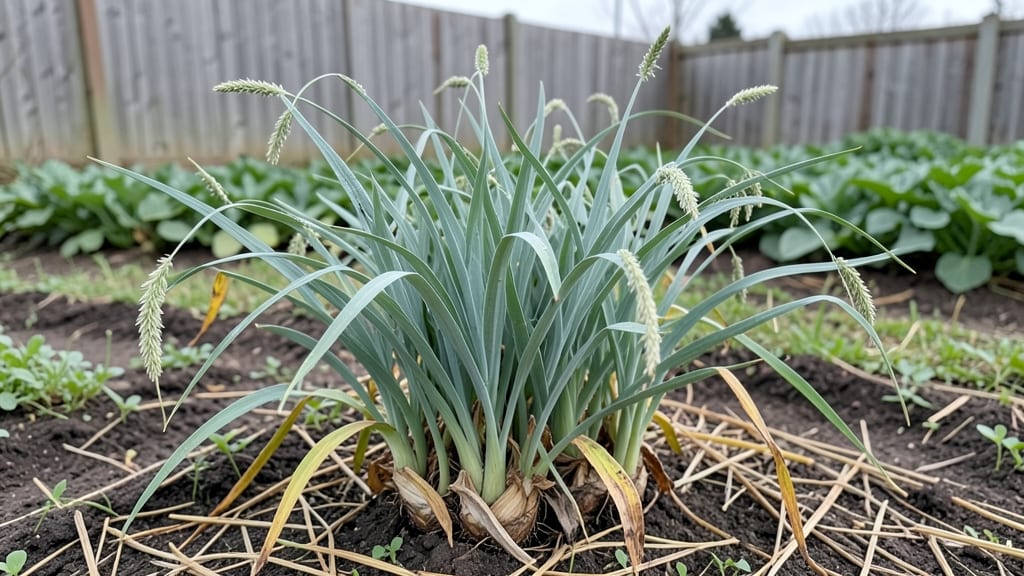
"Growing large citronella plants in containers means summer evenings free of buzzing pests—nature’s own bug spray, but bigger and better. 🌿 I’ve turned my patio into a fragrant fortress by growing these towering herbs, and the results are worth every bit of care.
The key isn’t just sunlight or water; it’s understanding how these giants thrive when coaxed into their full potential.
These plants love full sun (at least 6-8 hours daily) and well-draining soil mixed with compost—think of it as giving them rich, airy roots to stretch into.
A 15-20 gallon container per plant ensures they grow tall without crowding, and regular pruning keeps them bushy while boosting that signature citrusy scent. The secret weapon? A balanced fertilizer every 4-6 weeks during growing season, but never overdoing it.
By midsummer, you’ll have 5-6 foot plants dripping with fragrant leaves that repel mosquitoes naturally. The scent intensifies when crushed, making them perfect for outdoor seating or near doors.
Prune back leggy stems in spring to encourage dense growth, and watch as your container garden becomes the envy of the neighborhood.
Works in zones 7-11, but even cooler climates can grow them in pots and overwinter indoors. The only downside? They’re annuals in most areas, so start new plants each spring. Trust me—once you’ve experienced a citronella-scented summer, you’ll never go back to chemical repellents.
📚 In This Guide
- What you need
- Instructions
- Tips and common mistakes
- Wrapping up and next steps
What you need
- ● Citronella seeds or seedlings: Choose Cymbopogon nardus or Cymbopogon winterianus (Java citronella) for the best mosquito-repelling power. Buy 3-5 healthy seedlings (or 10+ seeds for DIY growing).
- ● Large containers: Opt for 5-gallon or larger pots (minimum 18-inch diameter) with drainage holes. Terracotta or fabric pots work best for airflow.
- ● High-quality potting mix: Use a well-draining blend (e.g., 50% peat moss, 30% perlite, 20% sand) or a citrus/palm mix for moisture control.
- ● Slow-release fertilizer: A balanced 10-10-10 or 14-14-14 granular fertilizer (or organic options like composted manure).
- ● Mulch: 2-3 inches of pine bark or straw mulch to retain moisture and regulate soil temp.
- ● Pruning shears or sharp scissors: For trimming dead leaves or shaping plants.
- ● Watering can or hose with a gentle spray nozzle: Citronella loves consistent moisture but hates soggy roots.
- ○ pH testing kit (optional but helpful): Aim for a soil pH of 6.0–7.0—citronella thrives in slightly acidic to neutral soil.
- ○ Support stakes or trellis (optional): Tall varieties may need bamboo stakes for stability in windy areas.
- ● Mosquito-repellent companion plants (bonus!): Add lavender, lemongrass, or marigolds to nearby pots for extra pest control.
- ● Sunlight: A full-sun spot (6+ hours daily). Citronella is tropical—it needs warmth to grow large and fragrant!
- ● Warm climate or greenhouse access: Citronella cannot tolerate frost. If you’re in a cooler zone, grow it in containers you can move indoors in winter.
- ● Patience: These giants take 6–12 months to reach their full mosquito-repelling potential!
Step-by-step instructions for growing towering citronella plants
Here’s how to coax those towering, lemon-scented giants into your containers—mosquito-repelling powerhouses that’ll dwarf your patio furniture.
🌱 Step 1: Select and Prepare Containers for Maximum Root Space
Citronella thrives when roots spread freely, so choose 5-gallon fabric grow bags or large ceramic pots with drainage—at least 18 inches deep. Fabric pots prevent root circling and wick moisture evenly, while ceramic retains heat better in cooler climates. Drill extra drainage holes if your pot lacks them; stagnant water rots roots faster than mosquitoes invade.
Fill the bottom 2 inches with coarse gravel or orchid bark for drainage. This layer prevents soggy soil while allowing excess water to escape. Press it down lightly so it doesn’t shift when you add the potting mix. I like to wet the gravel first—it settles better and won’t float up later.
🌿 Step 2: Mix Soil for Aeration and Drainage
Citronella hates compacted soil, so blend 3 parts potting mix with 1 part perlite and 1 part coconut coir. This creates a loose, well-draining medium that mimics its native tropical soil. Avoid garden soil—it compacts in containers and suffocates roots. Add ½ cup slow-release fertilizer (10-10-10) to the mix for a nutrient boost without burning tender roots.
Moisten the blend until it feels like a wrung-out sponge—damp but not dripping. Overwatering now leads to anaerobic roots later. Tap the pot gently to settle the soil, then create a 2-inch deep hole in the center. This ensures the root ball sits at the perfect depth when you transplant your cutting or seedling.
💧 Step 3: Plant and Water for Immediate Root Establishment
Place your citronella cutting or bare-root plant into the hole, ensuring the graft union (if present) sits 1 inch above soil level. This prevents rot if the stem buries too deeply. Backfill with soil, pressing lightly to remove air pockets but not compacting. Water deeply until it drains from the bottom, then let it sit for 10 minutes to absorb fully.
Real talk: The first week is critical. Water every 2-3 days until new growth appears—soil should stay evenly moist but not soggy. You’ll know it’s right when the top inch feels dry to touch but the lower soil stays damp. Overwatering here is the #1 killer of young citronella; underwatering stunts growth.
☀️ Step 4: Provide Full Sun and Prune for Bushiness
Citronella needs 6+ hours of direct sun daily to thrive and produce that potent mosquito-repelling oil. Place pots where they’ll get morning sun and afternoon shade in hot climates—afternoon heat can scorch leaves. If indoors, position near a south-facing window or under grow lights 12 inches away for 14 hours daily.
Pinch back the top set of leaves when the plant reaches 12 inches tall to encourage branching. This creates a fuller, bushier plant that produces more fragrant foliage. I also trim any leggy stems to 6 inches—it seems harsh, but you’ll get thicker growth in half the time. Use sterilized scissors to avoid disease.
✂️ Step 5: Fertilize and Prune for Year-Round Growth
Feed every 4-6 weeks with ½ strength liquid fertilizer (20-20-20) during spring and summer. In fall and winter, switch to a low-nitrogen formula (like 10-10-10) to promote root health. Citronella grows year-round in warm climates, but it slows in cooler months—don’t over-fertilize then. You’ll see dark green, glossy leaves when it’s happy; yellowing means it’s hungry or thirsty.
Prune 2-3 times per year to maintain size and encourage new growth. Cut back one-third of the plant in early spring, then trim again after flowering to redirect energy into foliage. Harvest leaves as needed by snipping just above a leaf node—this stimulates bushier regrowth. Store pruned stems in water to root for free new plants!
Tips & tricks for towering citronella plants
Between us, growing these fragrant giants isn't just about following steps—it's about understanding the subtle details that turn good plants into towering, mosquito-repelling powerhouses. Here's what nobody tells you about nurturing citronella to its full potential.
Container Depth Matters: Those 18-inch deep pots aren't arbitrary—they're essential for accommodating the deep root systems citronella develops as it grows. If you're limited to shallower containers, choose fabric grow bags instead; their vertical growth pattern naturally accommodates deeper roots without the same space constraints. The key is creating that vertical growth habit from the start, which is why I avoid anything less than 12 inches deep for young plants.
Soil Texture is Non-Negotiable: The 3:1:1 ratio of potting mix to perlite to coconut coir isn't just a suggestion—it's a science. That perlite creates air pockets crucial for oxygen exchange, while coconut coir mimics the plant's native tropical environment. I've learned the hard way that skipping the perlite leads to compacted soil that suffocates roots. After filling your pot, run your finger through the soil—it should feel like crumbled cake, not wet sand.
Watering Precision in the First Week: That 10-minute absorption period after your initial deep watering is critical. It gives the soil time to fully saturate without creating waterlogged conditions at the bottom. During those first 2-3 days of watering, I use the "finger test" method: stick your finger 1-2 inches into the soil. If it's dry at the surface but still damp below, you're golden. The top inch drying is normal—what you're preventing is dryness deeper in the pot where roots establish.
Pruning Strategy for Maximum Growth: When you pinch back those top leaves at 12 inches, you're not just shaping the plant—you're triggering a hormonal response that stimulates lateral bud growth. I've found that making these cuts just above a leaf node (where new leaves emerge) gives you the bushiest results. And here's a pro tip: save those pinched stems! Place them in water with a rooting hormone, and you'll have new plants in about 3 weeks.
Pro Tips for Large Citronella Plants
- Between us, growing these fragrant giants isn't just about following steps—it's about understanding the subtle details that turn good plants into towering, mosquito-repelling powerhouses.
- Container Depth Matters: Those 18-inch deep pots aren't arbitrary—they're essential for accommodating the deep root systems citronella develops as it grows.
- Soil Texture is Non-Negotiable: The 3:1:1 ratio of potting mix to perlite to coconut coir isn't just a suggestion—it's a science.
Frequently asked questions
Got questions about growing large citronella plants? You’re not alone! Here are answers to the most common queries—from care tips to troubleshooting—to help your fragrant giants thrive in containers.
How fast do large citronella plants grow in pots?
Citronella grows moderately fast—expect 6–12 inches per year with proper care. In containers, growth may slow slightly due to root restriction, but pruning and fertilizing (every 4–6 weeks) can boost height and bushiness. Patience pays off: mature plants can reach 5–6 feet in ideal conditions!
When is the best time to plant or transplant citronella?
Spring (after the last frost) is ideal for planting or repotting citronella. Why? Warm soil encourages root establishment, and the plant has the whole growing season to adapt. Avoid transplanting in winter—cold stress can stunt growth. If you must move it, do so in early spring or late summer.
What should I do if my citronella plant turns yellow or wilts?
Yellow leaves often signal overwatering or poor drainage. Let the top 1–2 inches of soil dry out between waterings, and ensure your pot has drainage holes. Wilting can also mean underwatering or root-bound roots. Check for pests (like spider mites) and adjust care accordingly. Pro tip: Use well-draining soil (like a mix of potting soil + perlite).
Can I grow citronella indoors, or does it need full sun?
Citronella loves sun—6+ hours daily is ideal for strong growth and fragrance. Indoors? Place it near a south-facing window or use a grow light. Without enough light, it’ll become leggy and weak. If outdoors, partial shade may work in hot climates, but expect slower growth and less mosquito-repelling power!
Are there alternatives to citronella for mosquito control?
Yes! Pair citronella with these mosquito-repelling companions in containers:
- Lemongrass (similar scent, fast-growing)
- Catnip (studies show it’s more effective than DEET!)
- Lavender (calming + repels pests)
- Basil (bonus: edible!)
Combine plants in large pots for a multi-layered defense against bugs.
Wrapping up and next steps
Growing large citronella plants in containers isn’t just possible—it’s a game-changer for your outdoor space! 🌿 These fragrant giants offer natural mosquito protection while adding beauty and charm to patios, decks, or balconies. With the right care, you’ll enjoy their lush foliage and refreshing scent for years.
Ready to transform your space? Start by planting your citronella today—whether in a cozy corner or as a statement centerpiece. Need inspiration? Experiment with companion plants like lemongrass or lavender for an even more powerful pest-repelling team! 🌟