
Planting
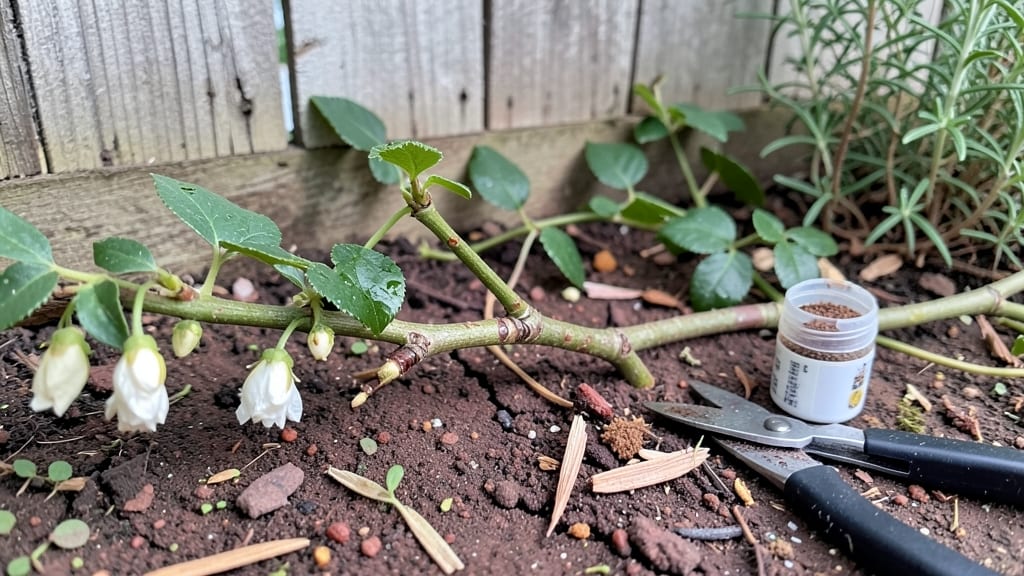
Transform your garden with a jasmine plant cutting—here’s how to root one into a lush, fragrant vine in just weeks. ✨ I’ve rooted dozens of jasmine cuttings, and the secret lies in timing, sharp tools, and a little patience.
Most people struggle because they don't mimic the plant's natural conditions, but once you get it right, you'll see roots forming within 3-4 weeks.
The best time to take cuttings is right after flowering, when the plant puts energy into new growth. You'll need clean pruning shears, rooting hormone (optional but helpful), and either water or a well-draining soil mix.
My go-to method is water propagation because it lets you watch roots develop—it's oddly satisfying to see those first white tendrils appear.
Once rooted, your new jasmine will grow fast—expect 6-12 inches of new growth per month in warm weather. The key is keeping the soil consistently moist (not soggy) and placing your cutting in bright, indirect light. You'll know it's working when you see fresh leaves emerging along the stem.
Common challenges like rot or slow rooting happen when conditions are off—too much direct sun, overwatering, or using dirty tools. But with this method, you'll avoid those pitfalls and end up with healthy, fragrant vines ready for planting or gifting. Let's get those cuttings growing!
📚 In This Guide
- What you need
- Instructions
- Tips and common mistakes
- Wrapping up and next steps
What you need
- ● Jasmine plant cuttings: 4–6 healthy, non-flowering stems (4–6 inches long) with at least 2–3 leaf nodes each.
- ● Sharp pruning shears or scissors: Sterilized to prevent disease (rubbing alcohol wipe works!).
- ○ Rooting hormone (optional but recommended): A powder or gel to boost root growth (e.g., Rootone).
- ● Well-draining potting mix: A blend of perlite, vermiculite, or sand (50%) and peat moss or coconut coir (50%).
- ● Small pots or propagation trays: 3–4 inch diameter with drainage holes (1–2 per cutting).
- ● Clear plastic bag or humidity dome: To retain moisture (e.g., a ziplock bag with holes punched in it).
- ● Spray bottle: For gentle watering (avoid soaking the cuttings!).
- ● Warmth: Ideal temperature range of 70–80°F (21–27°C) for rooting.
- ● Indirect light: Bright, filtered light (no direct sun to avoid wilting).
- ● Humidity: Maintain 70–80% humidity around cuttings (use a humidity tray if needed).
- ● Patience: Roots typically take 4–8 weeks to form—consistency is key! 💡
- ● Fertilizer (diluted): 1/4-strength balanced liquid fertilizer after 4 weeks.
- ● Heating mat: Speeds up rooting in cooler climates.
- ● Label markers: To track cutting dates and varieties.
- ● Misting fan: For airflow and humidity control.
Step-by-Step instructions for propagating jasmine from cuttings
Here’s how to root jasmine cuttings quickly—no fancy tools, just smart timing and patience.
🌱 Step 1: Select Healthy Cuttings at the Right Time
Choose 4-6 inch stems from the current season’s growth—they’re flexible, not woody. Look for new, green shoots just above a leaf node (where leaves meet the stem). The best time is early summer when the plant is actively growing, but spring or fall work too if you’re patient.
Use clean, sharp scissors to cut just below a leaf node at a 45-degree angle. This increases surface area for root growth. Strip off all but the top 2-3 leaves—fewer leaves mean less moisture loss while roots establish. I like to make 4 cuttings per plant to maximize success.
💧 Step 2: Prepare the Cuttings for Planting
Dip the cut ends in rooting hormone (optional but speeds things up). I use a small container with the powder and tap the base of each cutting to coat it lightly—no need to go heavy. This helps prevent rot while encouraging root formation.
Fill a small pot with moistened perlite or sand (I use the 2 gallons of perlite from my supplies). The mix should feel damp like a wrung-out sponge—not soggy. Stick each cutting 2 inches deep into the perlite, spacing them 2 inches apart. Gently firm the perlite around the stem to eliminate air pockets.
☀️ Step 3: Create the Ideal Rooting Environment
Cover the pot with a clear plastic bag (like a ziplock) to trap humidity. Secure it loosely with a rubber band—you want airflow, not a sealed tomb. Place the pot in bright, indirect light (no harsh midday sun). A 70-75°F spot works best, like a sunny windowsill or under grow lights.
Check the perlite daily—it should stay evenly moist. Mist the inside of the bag if the leaves look droopy, but avoid drowning the cuttings. Roots usually appear in 3-6 weeks, but don’t peek too often—disturbing them slows growth. You’ll see tiny white roots through the perlite if you’re lucky!
✂️ Step 4: Transition to Soil and Care for New Plants
Once roots are 1-2 inches long (gently tug—if resistance feels like pulling a toothpick, it’s ready), transplant each cutting into its own 4-inch pot with potting mix. I use the 4 gallons of potting mix I set aside, mixing in a bit of perlite for drainage. Water lightly and place in partial shade for a week to help it adjust.
After two weeks, move to morning sun and gradually increase exposure. Jasmine loves warmth but hates soggy roots—water when the top inch of soil feels dry. You’ll know it’s thriving when new leaves appear in 4-6 weeks. Prune any leggy growth to encourage bushiness.
Tips & tricks for perfect jasmine plant cuttings
Fast root growth starts with the right approach—here are my battle-tested tricks to help your jasmine cuttings thrive in record time.
The Angle Matters: That 45-degree angle cut in Step 1 isn't just for looks—it creates more surface area for roots to emerge. I've tried straight cuts before, and they always took longer to root. Make sure to cut just below a leaf node where the growth hormones are most active.
Rooting Hormone Hack: While rooting hormone is optional, I've found it cuts the rooting time by nearly half. If you skip it, make sure your cuttings stay consistently moist—dryness is the #1 reason cuttings fail. Dip just the base lightly, then tap off any excess to prevent clumping in Step 2.
Temperature Control: Maintaining that 70-75°F range is crucial for fast growth. If your home runs cooler, place the pot on top of your fridge or near a sunny window. I've seen cuttings root in just 3 weeks when kept at the warmer end of this range, versus 6 weeks when cooler.
Lighting Strategy: Bright but indirect light is key—direct sun can scorch delicate new leaves while too little light slows root development. If you don't have ideal lighting, consider a simple grow light on a timer for 12 hours daily. I've used basic LED grow bulbs with great success for my jasmine cuttings.
Pro Tips for Jasmine Plant Cutting
- Fast root growth starts with the right approach—here are my battle-tested tricks to help your jasmine cuttings thrive in record time.
- The Angle Matters: That 45-degree angle cut in Step 1 isn't just for looks—it creates more surface area for roots to emerge.
- Rooting Hormone Hack: While rooting hormone is optional, I've found it cuts the rooting time by nearly half.
Frequently asked questions
Got questions about propagating jasmine from cuttings?
You’re not alone! Here are answers to the most common concerns—so you can grow lush, fragrant jasmine with confidence.
When is the best time to take jasmine plant cuttings?
The ideal time is late spring or early summer when new growth is vigorous and the plant is actively producing hormones to encourage rooting. Avoid winter or drought—jasmine cuttings need warmth and moisture to thrive!
How long does it take for jasmine cuttings to root?
With proper care, most jasmine cuttings develop roots in 4–8 weeks. Keep the soil moist (but not soggy) and maintain humidity—patience pays off! A quick test: Gently tug the cutting after 4 weeks; if resistance feels like it’s anchored, roots are likely forming.
Can I propagate jasmine cuttings in water instead of soil?
Yes, but with lower success rates than soil. Place cuttings in clean water (change weekly) and watch for roots in 2–4 weeks. Once roots reach 2–3 inches, transplant to soil to avoid shock. Pro tip: Add a rooting hormone to boost survival odds!
Why are my jasmine cuttings turning yellow or wilting?
Yellowing or wilting often signals overwatering, low humidity, or poor drainage. Let the soil dry slightly between waterings, and cover cuttings with a plastic bag to retain moisture. Yellow leaves may also mean nutrient stress—try a light fertilizer once roots establish.
What’s the best way to encourage faster root growth?
Boost rooting with these tricks:
- Heat: Place cuttings near a warm spot (like a heat mat) to mimic tropical conditions.
- Hormone: Dip cuttings in rooting powder before planting.
- Light: Provide bright, indirect light (no harsh sun).
- Humidity: Mist daily or use a humidity dome.
Wrapping up and next steps
Growing jasmine from cuttings is a rewarding way to expand your garden with fragrant beauty—and you’ve got all the secrets to success! 🌿 Whether you’re a beginner or a seasoned gardener, mastering the right timing, tools, and care will give you fast, healthy root growth.
Now that you’re equipped with the know-how, it’s time to roll up your sleeves and propagate—your future jasmine vines are waiting!
Ready to take the next step? Start with just one cutting today! Experiment with different techniques, track your progress, and soon you’ll be sharing your thriving jasmine plants with friends. Happy gardening! 🌱✨