
Companion Plants
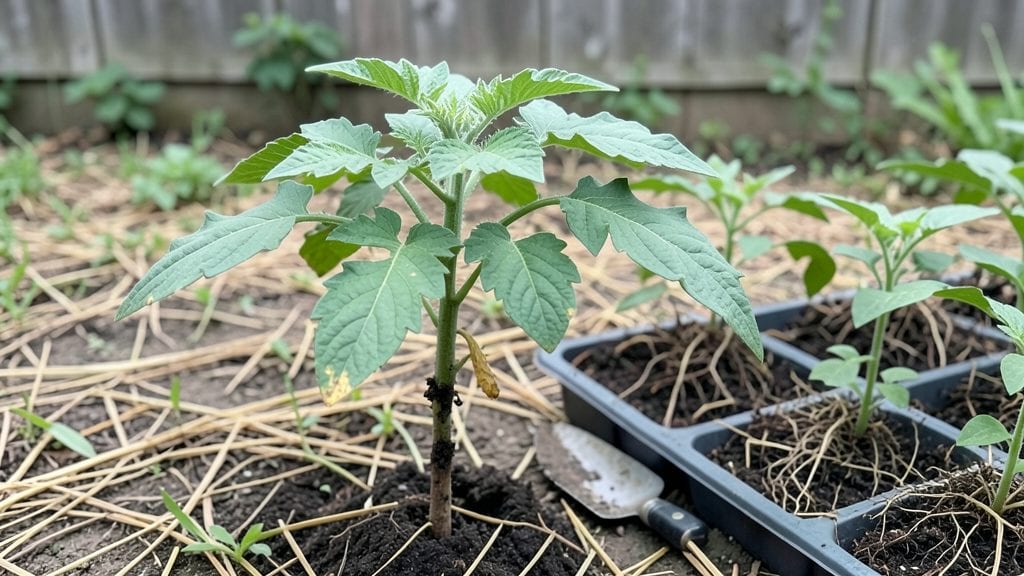
Proper installation of plants is essential for establishing strong root systems and promoting long-term vitality. This involves preparing the soil correctly, maintaining proper spacing between plants, and providing thorough watering after planting, along with selecting suitable locations and handling roots with care.
Getting the installation of plants right starts with understanding how each element—soil quality, sunlight exposure, and plant spacing—directly impacts root growth and disease resistance. 🌱 For example, amending clay-heavy soil with compost improves drainage, while mulching helps retain moisture and suppress weeds.
I’ve seen firsthand how even small adjustments, like planting at the right depth or using organic matter, can mean the difference between a thriving garden and one that struggles.
Seasonal timing also plays a role: spring planting gives roots time to establish before summer heat, while fall planting benefits from cooler temperatures and natural rainfall.
Beyond the basics, tools like a transplant spade and kneeling pad make the process smoother and less stressful on your back. Avoid common pitfalls like overcrowding or compacting soil during backfilling—both can stunt growth.
After planting, a slow-release fertilizer and consistent watering schedule (about 1-1.5 inches per week) help roots adapt without shock. Think of installation as the foundation; skip steps, and you’ll pay for it later in weak stems or pest susceptibility.
💡 In This Article
- Key Factors for Successful Plant Installation
- Step-by-Step Plant Installation Techniques
Key factors for successful plant installation
Soil preparation is the foundation of healthy plant growth because roots need oxygen, water, and nutrients to expand. The ideal soil mix depends on your plants: vegetables thrive in loose, well-draining soil with a pH between 6.0-7.0, while blueberries require acidic soil (pH 4.5-5.5).
A simple soil test (available at garden centers) reveals what amendments you need—like lime to raise pH or sulfur to lower it. Without proper prep, roots suffocate in compacted soil or drown in waterlogged conditions, leading to rot or stunted growth.
Sunlight exposure directly affects photosynthesis, the process that fuels plant energy. Most vegetables need 6-8 hours of direct sun daily, while shade-loving plants like hostas do well with 3-4 hours.
The key is matching plant needs to your site’s microclimates—south-facing areas get more sun, while north sides stay cooler and shadier. Poor sunlight placement weakens plants, making them more susceptible to pests and diseases.
For example, tomatoes grown in low light produce fewer fruits and become leggy, while herbs like basil bolt (flower prematurely) when stressed by insufficient light.
Spacing between plants prevents competition for resources and improves airflow, which is critical for disease prevention. Crowded plants create humid microclimates that foster fungal issues like powdery mildew.
A general rule: Check the plant tag for spacing recommendations—tomatoes need 18-24 inches apart, while carrots can grow 2-3 inches apart. Proper spacing also makes maintenance easier: pruning, harvesting, and pest control become simpler when plants aren’t jostling for space.
I’ve noticed that well-spaced plants develop stronger stems because they don’t waste energy competing with neighbors.
Seasonal timing influences root establishment and survival rates. Planting in early spring or fall gives roots time to adapt before extreme heat or cold. For instance, cool-season crops like lettuce handle transplanting better in spring, while warm-season plants like peppers prefer summer planting.
The root zone temperature should ideally be between 50-70°F for optimal growth. Planting at the wrong time stresses roots, leading to transplant shock—a condition where plants wilt, drop leaves, or fail to thrive despite good care.
Drainage is often overlooked but vital for long-term health. Poor drainage causes root rot, a silent killer that attacks plants within days.
To test drainage, dig a 12-inch-deep hole and fill it with water—if it drains in 2-4 hours, your soil is good; if it pools, amend with organic matter like compost or perlite.
Mulching with 2-4 inches of organic mulch helps regulate soil temperature, retain moisture, and suppress weeds, reducing stress on young plants. This layer also breaks down slowly, adding nutrients to the soil over time.
Here’s what most people don’t realize: even the gentlest handling of roots matters. When you disturb roots during transplanting, you damage the delicate mycorrhizal fungi that naturally colonize them—these fungi help plants absorb nutrients. To minimize stress, keep roots moist before planting and avoid circling them in the pot.
Watering deeply after installation (about 1 gallon per plant) helps settle soil around roots, eliminating air pockets. This step is often rushed, but taking 10 extra minutes here can mean the difference between a plant that thrives and one that struggles for months.