
Pests
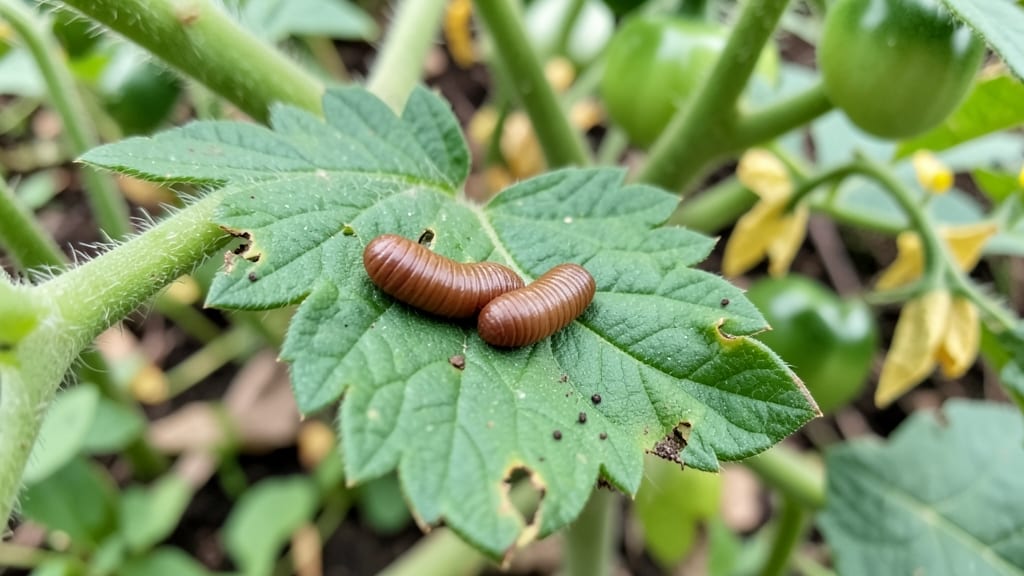
Brown worms on tomato plants mean your harvest is under siege—those plump green caterpillars are hornworms, and they’ll strip your plants bare if you don’t act fast. I’ve battled them for years, and these three steps cut infestations without harsh chemicals, saving my tomatoes every time.
The key? Spotting them early, using nature’s tools, and acting before they multiply.
Hornworms hide in plain sight—look for skeletonized leaves or chewed stems, and check the undersides of foliage at dawn. They’re big (2-3 inches long) with white diagonal stripes, and they move fast.
The damage adds up quickly, so don’t wait until your plants look like Swiss cheese. A simple neem oil spray or hand-picking them into soapy water works wonders, but timing matters most.
You’ll see results within days: fewer holes in leaves, more flowers setting fruit, and a garden that stays healthy without toxic sprays. The best part? These methods protect bees and butterflies while keeping your tomatoes thriving. Let’s get those worms gone for good.
Works for backyard gardens, containers, or even balcony plants—no matter your setup, these steps scale easily. And if the infestation spreads beyond your tomatoes, that’s when you call in reinforcements (like BT spray or professional help). Ready to reclaim your garden?
Root Causes Behind Worm Infestations
Brown worms wriggling through your tomato plants aren’t just a random nuisance—they’re often the result of specific environmental, biological, or even human factors. Understanding these causes is the first step to reclaiming your garden.
Below, we break down the most common reasons these pests appear, backed by science and actionable insights.
Tomato plants with soft, overripe, or bruised fruit become a buffet for moths and beetles—the primary carriers of brown worm eggs. Why? The sugars and decaying tissue release volatile organic compounds (VOCs) that moths can detect from up to a mile away.
Once a female moth locates your garden, she’ll lay 200–300 eggs in clusters on the undersides of leaves or directly on fruit.
Key triggers:
- 🍅 Delayed harvesting: Leaving fruit on the vine past its prime signals pests that it’s an easy meal.
- 🐛 Physical damage: Hail, birds, or even rough handling can create entry points for egg-laying adults.
- 🌿 Weedy or unkempt gardens: Dense foliage provides hiding spots for adult pests to thrive undetected.
Actionable fix: Harvest tomatoes before they fully ripen (use a color chart for your variety) and remove damaged fruit immediately. Prune plants for airflow to deter moths.
Brown worms thrive when their natural predators—like parasitic wasps, ladybugs, or birds—are absent. This often happens due to:
| Cause | Why It Matters | Science Behind It |
|---|---|---|
| 💊 Overuse of broad-spectrum pesticides | Kills beneficial insects that eat worm eggs/larvae. | Neonicotinoids and pyrethroids disrupt Trichogramma wasp populations, which lay eggs inside hornworm eggs. |
| 🌵 Monoculture gardening | Lack of biodiversity reduces natural pest control. | Diverse ecosystems support 20+ predator species per acre; monocultures support none. |
| ❄️ Late-season planting | Warm nights extend the worm’s lifecycle. | Hornworms metabolize faster at 75°F+; a 2-week delay in harvest = 30% more eggs laid. |
Actionable fix: Rotate crops yearly, plant companion plants (like basil or marigolds), and use targeted sprays (e.g., Bt kurstaki) that only harm caterpillars.
Brown worms are not year-round pests—they’re seasonal opportunists. Their lifecycle accelerates in:
- 🌞 Hot, humid summers: Eggs hatch in 3–5 days vs. 10+ days in cooler weather.
- 🌧️ Frequent rain: Moisture softens plant tissue, making it easier for larvae to burrow.
- 🌱 Early spring planting: Warm soil speeds up egg development before predators emerge.
Regional hotspots:
- 📍 Southeastern U.S.: Humidity + long growing seasons = 2–3 generations of worms per year.
- 📍 Pacific Northwest: Cooler nights slow growth but extend the season into October.
- 📍 Desert Southwest: Worms estivate (dormancy) in dry heat but explode in monsoon rains.
Actionable fix: Monitor degree-day models for your region (e.g., UC IPM) to predict outbreaks. Use row covers in early spring to block moths.
Even the most vigilant gardeners can unintentionally create worm magnets:
- 🛒 Buying infected transplants: Nursery-grown tomatoes may already host tiny larvae in stems.
- 🌿 Composting tomato scraps: Worm eggs survive composting and reinfest gardens.
- 🚫 Ignoring early signs: Tiny black droppings (frass) or chewed leaves often go unnoticed until worms are 1.5 inches long.
Actionable fix: Inspect transplants for eggs or frass before planting. Compost only disease-free plant matter in hot bins (140°F+).
How to Fix Tomato Worm Woes
Now that you know the culprits behind those pesky brown worms munching on your tomato plants, it’s time to take action! 🚀 The good news? You don’t need chemicals to win this battle—just a few smart, eco-friendly strategies.
Below, we’ll break down targeted solutions for each common cause, plus prevention tips to keep your tomato plants thriving.
Fix: These striped bandits can devour a plant overnight, but they’re surprisingly easy to remove.
- 🔥 Handpick Like a Pro
- When? Early morning or late evening (they’re sluggish when it’s cool).
- How? Wear gloves and inspect leaves—look for green or brown caterpillars (hornworms) with white stripes or horn-like protrusions.
- Action: Drop them into a bucket of soapy water (they’ll drown instantly) or relocate them far from your garden (they won’t survive long without food).
- 🍳 Introduce Beneficial Predators
- Who? Parasitic wasps (like Cotesia congregata) lay eggs inside hornworms, killing them naturally.
- How? Plant dill, fennel, or parsley nearby—they attract these wasps. No action needed; nature does the work!
- 👨🍳 DIY Spray Barrier
- Recipe: Mix 1 tsp cayenne pepper + 1 tbsp dish soap + 1 quart water. Spray on leaves (avoid flowers to protect pollinators).
- Why? The capsaicin irritates their mouths, deterring them from feeding.
Fix: These microscopic worms attack roots, causing stunted growth and brown, gnarled roots.
- 🌡️ Solarize the Soil (Best for Severe Cases) - When? Hot summer months (soil temps >100°F). - How? Cover infested soil with clear plastic sheeting for 4–6 weeks.
The heat kills nematodes and eggs. - Pro Tip: 💡 Water the soil first to trap heat—this makes it more effective.
- 🎯 Plant Resistant Varieties
- Examples: ‘Mountain Merit,’ ‘Celebrity,’ or ‘Roma’ tomatoes are less attractive to nematodes.
- Bonus: Rotate crops yearly—never plant tomatoes, peppers, or eggplants in the same spot.
- 🥗 Natural Soil Amendments
- Add: Composted manure, coconut coir, or neem cake to improve soil health.
- Avoid: Fresh manure—it can feed nematodes!
Fix: If brown worms are actually larvae from fungus gnats or bacterial soft rot, tackle the root cause.
- ⏰ Fix Moisture Issues
- Problem: Overwatering creates the perfect breeding ground for fungus gnats (their larvae look like tiny brown worms).
- Solution:
- Let soil dry between waterings.
- Use sand or perlite to improve drainage.
- 🔥 Yellow sticky traps can catch adult gnats before they lay eggs.
- 🔪 Prune and Sterilize
- For bacterial soft rot: Cut off infected stems (they’ll ooze brown, slimy larvae).
- Sterilize tools with rubbing alcohol between cuts to prevent spread.
- 🌿 Use Beneficial Nematodes
- What? Steinernema feltiae nematodes hunt and kill fungus gnat larvae.
- How? Apply to soil as a watering treatment (follow package instructions).
Once you’ve dealt with the current infestation, stop future attacks with these habits:
- 🌱 Crop Rotation: Never plant tomatoes in the same spot two years in a row.
- 🌿 Companion Planting: Grow basil, marigolds, or nasturtiums near tomatoes—they repel pests naturally.
- 🌡️ Mulch Smartly: Use straw or grass clippings (not wood chips) to deter egg-laying pests.
- 🕵️♂️ Monitor Regularly: Check undersides of leaves every 2–3 days during growing season.
- 🚫 Avoid Over-Fertilizing: Too much nitrogen attracts soft-bodied pests like hornworms.
Final Thought: 🎯 With these methods, you’ll reclaim your tomato plants in no time—and enjoy a bountiful harvest without the wormy surprises! For stubborn cases, combine handpicking + natural predators + soil fixes for the best results.
Frequently asked questions
What do brown worms on tomato plants look like?
Most are hornworms—large (2-3 inches), green or brown with white diagonal stripes and a horn-like protrusion at the tail. Tiny brown worms near roots are likely nematodes or cutworm larvae. Check leaf undersides at dawn for eggs (tiny yellow or white clusters).
Are brown worms harmful to tomato plants?
Absolutely—they destroy foliage, stems, and fruit. Hornworms can defoliate a plant in 24 hours, while nematodes attack roots, causing stunted growth. Early intervention prevents permanent damage and saves your harvest.
How do I get rid of brown worms organically?
Start with handpicking (drop in soapy water) and introduce parasitic wasps by planting dill or parsley. For roots, use beneficial nematodes or solarize soil with plastic sheeting. Avoid chemicals—they harm pollinators!
Can brown worms survive winter?
Most don’t. Hornworms die in frost, but nematode eggs can overwinter in soil. Solarize soil in fall or plant cover crops (like clover) to disrupt their lifecycle before spring planting.
Why do I keep getting brown worms every year?
Likely due to overripe fruit attracting moths, lack of predators (from pesticides), or poor garden hygiene. Fix it by harvesting promptly, rotating crops, and adding companion plants (basil/marigolds) to deter pests naturally.