Planting
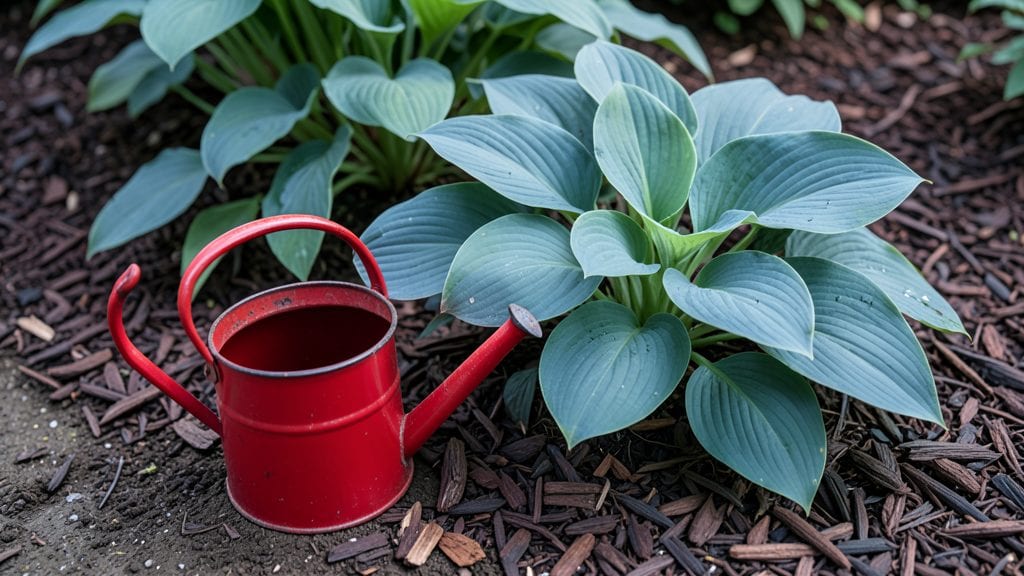
Maintaining hostas isn't just about watering—their lush foliage thrives when soil stays evenly damp but never soggy. 🌿 I've learned that morning watering prevents fungal issues, and a 2-3 inch layer of mulch helps retain moisture while suppressing weeds.
The key is balance: too much shade stunts growth, but direct sun scorches leaves, so finding that middle ground is crucial for long-term health.
Hostas also reward patience with their resilience—dividing clumps every few years not only rejuvenates plants but also creates new specimens for your garden. Watching for pests like slugs and diseases like leaf spot early means you can act before damage spreads.
It's these small, consistent efforts that make hostas such rewarding perennials to grow.
💡 In This Article
- Seasonal Hostas Care Guide by Growth Stage
- Common Hostas Mistakes and How to Fix Them
Seasonal hostas care guide by growth stage
Spring is when hostas wake from dormancy, and their care hinges on two critical triggers: soil temperature and new growth emergence. When soil reaches 50-55°F, roots become active, signaling it's time to fertilize.
I recommend a balanced 10-10-10 NPK fertilizer at ½ strength—this provides phosphorus for root development without overstimulating tender shoots. The key here is timing: apply fertilizer when leaves unfurl but before they reach 6 inches tall, as this prevents leaf burn from rapid growth.
Summer demands vigilance about moisture and heat stress. Hostas need 1-1.5 inches of water weekly, but the real science lies in soil aeration. Their fibrous roots thrive in 60-70% soil moisture, but compacted soil cuts oxygen flow, leading to root rot.
To test, press your finger 2 inches deep—if dry, water deeply. Mulch with 3 inches of shredded bark to maintain even moisture and block 80% of sunlight reaching the soil, which keeps roots cooler during heatwaves. Without this, leaves develop crispy edges from transpirational stress.
Fall is about preparation for dormancy. When daytime temps drop below 75°F, hostas begin storing carbohydrates in roots. This is when to apply a 2-3 inch layer of organic mulch—compost or leaf mold—to insulate roots from temperature swings.
The mulch also smothers slug eggs and prevents fungal spores from splashing onto leaves during rain. A bonus: the decomposing mulch releases slow-release nitrogen, giving roots a final nutrient boost before winter. 🍂
Winter care focuses on frost protection. Hostas are hardy to Zone 3, but their crowns can suffer if soil freezes solid. To prevent this, add 4-6 inches of straw mulch after the first hard frost.
The straw acts like a thermal blanket, keeping soil temps within 32-40°F—the sweet spot where roots remain dormant but unfrozen. In snowy climates, remove accumulated snow from leaves to prevent ice damage, as 1 inch of ice can weigh down 1 square foot of foliage.
Here's what most gardeners miss: the division window. Divide hostas when soil temps are 55-65°F (typically April-May or September-October), as roots recover faster in mild conditions. Dig when the crown is 1-2 inches above soil level—this ensures you capture the full root system.
The secret to success? Replanting divisions at the same depth they were growing, as burying crowns too deep causes rot while planting too shallow invites frost heave.
Pro tip: Use a moisture meter to track soil conditions year-round. Hostas in clay soil need 20% more water than sandy soil because clay holds water but blocks oxygen. Adjust your care schedule based on these readings—this precision prevents both drought stress and waterlogged roots. 💧