Planting
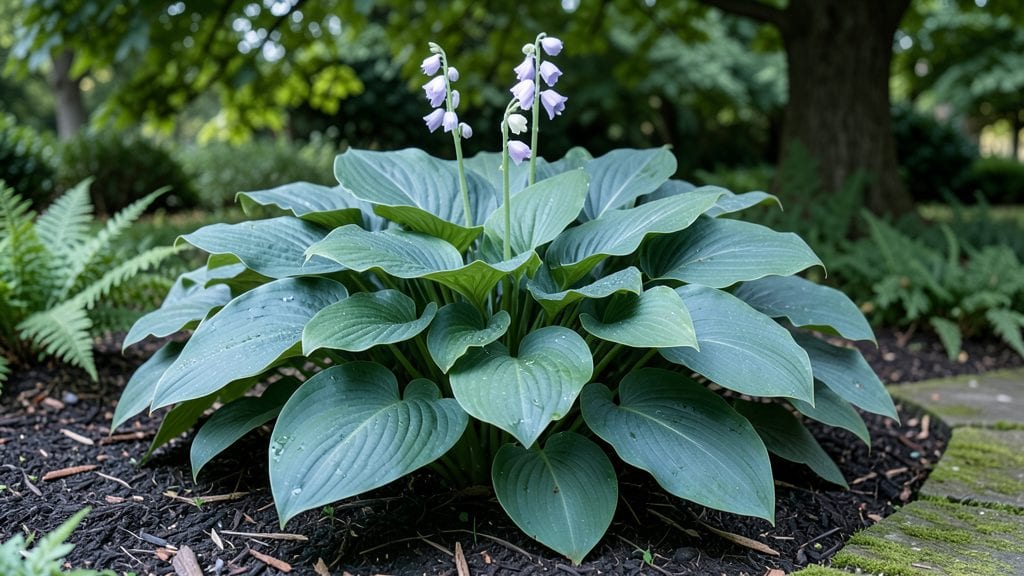
Hosta plants are toxic due to their high concentrations of saponins and alkaloids, which can cause vomiting, diarrhea, and lethargy in pets and children if ingested. Keep them out of reach and opt for non-toxic alternatives like spider plants or African violets for safer gardening.
Hosta leaves contain harmful compounds that can trigger digestive upset and skin irritation in curious pets or kids who nibble on them. 🌿 The severity depends on how much is consumed, but even small amounts may lead to drooling or stomach pain.
I’ve seen cats avoid hostas after one taste, while dogs might keep chewing until their owners intervene. For a garden that’s both beautiful and safe, consider pet-friendly options like marigolds or sunflowers, which add color without the risk.
If you already have hostas, place them in elevated planters or fence off garden beds to limit access. Always supervise young children near plants, and teach them to admire flowers from afar. 💛 The good news?
Many non-toxic plants thrive in the same conditions, so your yard can stay lush and safe for everyone.
💡 In This Article
- Toxic Compounds in Hosta Plants: What Makes Them Dangerous
- Safe Plant Alternatives for Pet-Friendly Gardens
Toxic compounds in hosta plants: what makes them dangerous
Hosta plants produce two primary toxic compounds that make them hazardous: saponins and alkaloids. Saponins create a soapy texture in the mouth and act as natural insect repellents, while alkaloids disrupt normal bodily functions.
The concentration varies by variety, with some hostas containing up to 0.5% saponins by dry weight—enough to cause noticeable effects in pets or children who ingest even small leaf fragments. 🔥
The saponins in hostas irritate the gastrointestinal lining, leading to excessive drooling, vomiting, and diarrhea within 6-12 hours of ingestion. Alkaloids, meanwhile, affect the nervous system, potentially causing lethargy, weakness, or even seizures in sensitive animals like cats.
A 100-gram consumption (about 1 cup of chopped leaves) could trigger severe reactions in a 20-pound dog, though smaller amounts may still cause mild symptoms.
Compared to other common garden plants, hostas rank as moderately toxic. Lilies, for example, contain even more dangerous alkaloids that can cause kidney failure in cats, while foxgloves have cardiac glycosides that disrupt heart rhythms.
However, hostas pose a unique risk because their broad, lush leaves are often at ground level—perfect for curious pets or toddlers to nibble without supervision. The texture of hosta leaves, thick and slightly waxy, makes them tempting for animals to chew.
Skin contact can also cause irritation, especially in pets with sensitive skin. The sap contains mild irritants that may trigger redness or itching after prolonged exposure.
Cats, in particular, are prone to licking their paws after touching hostas, which can lead to secondary ingestion of toxic compounds. 💛 This dual threat—both ingestion and contact—makes hostas particularly problematic in family gardens or yards with pets.
What most people don't realize is that the toxicity isn't uniform across all hosta varieties. Some cultivars, like the 'Blue Angel' or 'Francee', contain slightly higher concentrations of alkaloids due to their larger leaf surfaces.
The key factor is leaf surface area: broader leaves mean more exposure to toxic compounds. This explains why dogs, who often chew entire leaves, face higher risks than cats, who might only nibble edges.
For context, consider that 1 teaspoon of hosta leaf juice (about 5 grams) contains enough saponins to irritate a child's mouth and throat. The bitter taste often deters further consumption, but some pets or kids may keep eating despite the unpleasant flavor.
This dual mechanism—bitterness as a deterrent and toxicity as a last resort—is why hostas have survived as a garden staple despite their dangers. ✨
The good news? Many non-toxic alternatives, like marigolds or sunflowers, provide similar shade and texture without the risks. These plants offer the same aesthetic appeal while being completely safe for pets and children to interact with. The trade-off is worth it for peace of mind in any garden. 💫