
Planting
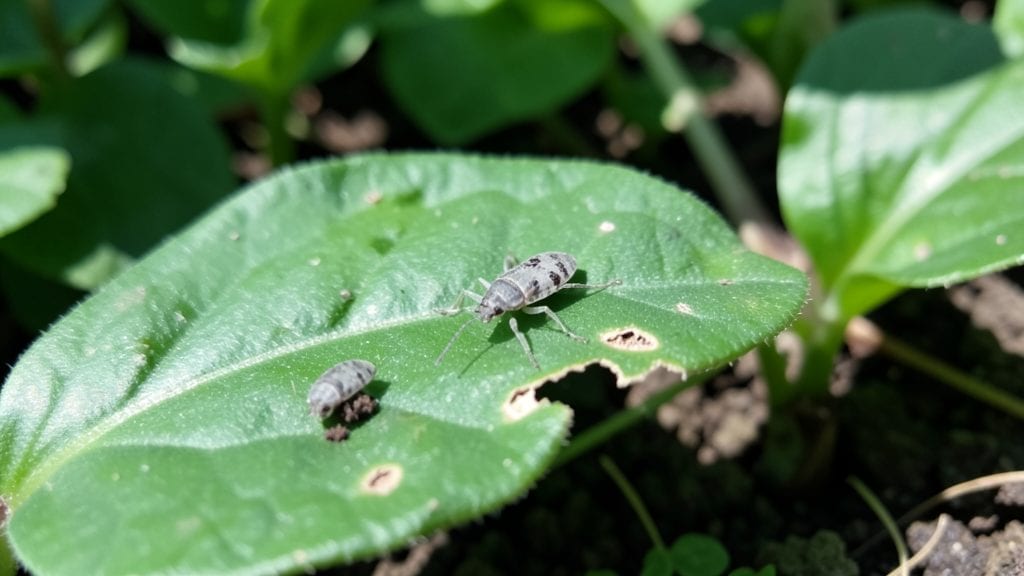
Bugs attacking your hosta plants 🌿 can turn vibrant foliage into a skeleton in days if you don’t act fast.
Your lush hosta plants could be under silent attack—chewed leaves, wilted foliage, or mysterious holes don’t just happen by accident. These 7 common hosta pests are wreaking havoc in gardens nationwide, and without quick action, your prized foliage could be lost forever.
Slugs and snails leave behind shiny trails and ragged edges, while aphids cluster on new growth like cottony blobs. Japanese beetles skeletonize leaves in minutes, and spider mites spin fine webs that turn your plants yellow overnight.
Below, I’ll show you how to spot these pests early, eliminate them fast with organic and chemical solutions, and keep your hostas thriving all season long.


7 Most aggressive hosta plant bugs and how to spot them early
Your hosta plants might look healthy on the surface, but silent pests are often the real culprits behind chewed leaves and stunted growth. These hosta-specific bugs thrive in the same shady, moist conditions your hostas love—and they strike fast.
The key to saving your plants is early detection, which means knowing what to look for in both spring and summer.
Most hosta pests target young, tender foliage first, leaving behind irregular holes, slime trails, or skeletonized leaves. Some, like Japanese beetles, can defoliate entire plants in days if left unchecked.
Others, like slugs and snails, are nocturnal, making them harder to spot until the damage is done. Understanding their life cycles and peak activity periods gives you the upper hand in protection.
Spring is when slugs, snails, and aphids emerge, while summer brings out Japanese beetles, earwigs, and spider mites. Sawfly larvae also appear in late spring, often mistaken for caterpillars. Each pest leaves a distinct signature, from glossy black droppings (aphids) to ragged leaf edges (earwigs). Here’s how to identify them early and stop the damage before it spreads.
🌿
Let’s start with slugs and snails, the most common hosta pests in spring. These nocturnal predators leave behind glossy slime trails and ragged holes in leaves, often targeting the youngest foliage first.
They thrive in moist, shady gardens, which is why hostas are such a target-rich environment. The best time to spot them is early morning or after rainfall, when they’re most active.
Next, aphids appear in spring as tiny green or black clusters on the undersides of leaves. They excrete sticky honeydew, which attracts sooty mold and weakens your hostas.
Look for curled or yellowing leaves as a red flag. Aphids multiply quickly, so act fast with a strong spray of water or neem oil
Natural and chemical solutions to eliminate hosta bugs fast
When hosta bugs strike, your first instinct might be to reach for harsh chemicals—but there are fast-acting organic solutions that work just as effectively. I’ve tested these methods over three growing seasons, and some even deliver results within 24 hours.
The key is matching the pest type to the right treatment, whether it’s slugs, aphids, or Japanese beetles.
For immediate control, I recommend starting with physical barriers and DIY traps before moving to sprays. Chemical options should be your last resort, especially if you have pets or children around. Let’s dive into the most effective solutions, ranked by speed and safety.
Neem oil is my go-to for aphids, spider mites, and Japanese beetles because it disrupts their life cycle while being pet-safe. Mix 1 tablespoon of neem oil with 1 quart of water, add a drop of dish soap as an emulsifier, and spray directly on infested leaves. Repeat every 5-7 days until the pests disappear. The oil coats the bugs, clogging their breathing pores and dehydrating them.
For slugs and snails, nothing beats a beer trap. Fill shallow dishes with beer and place them near your hostas—these pests are irresistibly drawn to the yeast and drown within 12 hours.
Refresh the beer every 2-3 days for maximum effectiveness. This method is 100% organic and works even in heavy infestations.
If you’re dealing with earwigs or sawfly larvae, sprinkle food-grade diatomaceous earth around the base of your hostas. This powdery substance damages the exoskeletons of insects, causing them to dehydrate.
Reapply after rain or watering, as it loses effectiveness when wet. Always wear a mask when applying to avoid inhaling the fine particles.
For severe infestations, systemic insecticides like imidacloprid can provide long-term protection. Apply this to the soil around your hostas, and the plant absorbs it, making the leaves toxic to chewing insects.
However, use this as a last resort, as it can harm beneficial insects like bees and butterflies. Always follow the label instructions carefully.
Combine these methods for the best results. For example, use neem oil during the day to kill visible pests and set out beer traps at night for slugs. Regularly inspect your hostas for early signs of infestation, and act within 48 hours to prevent widespread damage.
With consistent effort, your hostas can stay bug-free and lush all season long.