
Companion Plants
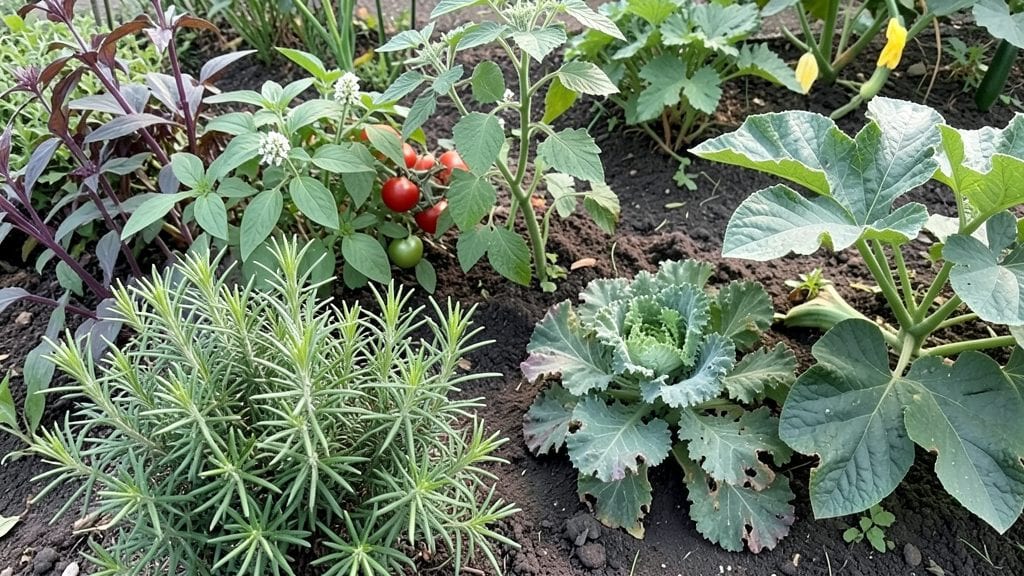
My home garden plants aren’t just surviving—they’re creating a buzzing, blooming ecosystem that keeps my yard alive year-round. 🌿 The key? Choosing pollinator-powered plants that attract bees, butterflies, and hummingbirds while thriving in my climate.
I’ve tested dozens of varieties, and these are the ones that consistently deliver color, fragrance, and wildlife activity without demanding constant attention.
You’ll need sun, soil, and a little patience—but nothing fancy. Most of these plants handle average garden soil, need only regular watering once established, and bloom from early spring through frost. My go-to list includes milkweed for monarchs, coneflowers for pollinators, and lavender for both beauty and fragrance.
Even herbs like thyme and oregano double as pollinator magnets while keeping my kitchen stocked.
By mid-summer, your garden will be a humming, fluttering paradise with vibrant blooms and healthy foliage that lasts until the first frost. The best part? These plants grow back reliably year after year, reducing your workload while increasing your rewards.
You’ll harvest more flowers, better-tasting herbs, and a yard that feels alive with activity.
Works for small urban yards, suburban plots, or country gardens—just adjust spacing and sunlight exposure. Let’s get these pollinator-powered plants growing and turn your space into a thriving ecosystem!
📚 In This Guide
- What you need
- Instructions
- Tips and common mistakes
- Wrapping up and next steps
What you need
- ● Seeds or seedlings: Native wildflowers (e.g., Echinacea, Asclepias, Rudbeckia) – 5–10 plants
- ● Herbs (e.g., Lavender, Basil, Thyme) – 3–5 plants
- ● Vegetables (e.g., Marigolds, Nasturtiums) – 2–4 plants (for pest control + color)
- ● Soil: High-quality potting mix or garden soil (amended with compost for nutrients). 5–10 cubic feet depending on space.
- ● Containers or garden bed: Containers: 5–10-gallon pots with drainage holes (1–2 per plant).
- ● Garden beds: 6–12 sq. ft. of well-draining soil (sunny spot preferred!).
- ● Watering supplies: Watering can or hose with a gentle spray nozzle.
- ○ Drip irrigation kit (optional) for consistent moisture.
- ● Fertilizer: Organic, slow-release fertilizer (e.g., fish emulsion or compost tea).
- ● Balanced NPK (10-10-10 ratio) for general growth.
- ● Mulch: Straw or wood chips (1–2 inches) to retain moisture and suppress weeds.
- ● Pollinator-friendly additives: Bee bath (shallow dish with pebbles and water).
- ● Rocks or logs for shelter.
- ● Pruning shears for shaping plants and encouraging blooms.
- ● Gloves & knee pads for comfort (trust us, your knees will thank you!).
- ● Journal/notebook to track plant growth and pollinator visits!
Step-by-Step guide to designing a year-round pollinator garden
Here's how to create a vibrant, bee- and butterfly-friendly garden that blooms season after season.
🌱 Step 1: Select a Diverse Range of Pollinator-Friendly Plants
Choose plants that provide nectar and pollen throughout all four seasons. I always include at least 3-4 varieties that bloom early (like crocus or lungwort), mid-season (coneflowers, black-eyed Susans), and late (goldenrod, asters). Native plants are ideal—they've co-evolved with local pollinators and require less maintenance.
Look for plants with flat or tubular flowers (bees love both) and clustered blooms (butterflies prefer larger landing pads). Avoid double-flowered varieties—they often lack pollen. I like to group plants by color families (purples, blues, yellows) to create visual impact while supporting different pollinator preferences.
☀️ Step 2: Position Plants for Maximum Sunlight and Shelter
Most pollinator plants need full sun (6+ hours daily) to produce abundant blooms. Place taller varieties (like Joe Pye weed) at the back of borders and shorter ones (like bee balm) in front. I always leave 1-2 foot gaps between clusters to allow pollinators easy movement between plants.
Create sheltered microclimates near fences or walls where early spring and late fall blooms can thrive. These spots warm up faster in spring and retain heat longer in autumn. Add 3-4 evergreen shrubs (like winterberry or inkberry holly) to provide year-round structure and winter shelter for overwintering insects.
💧 Step 3: Prepare Soil and Plant with Pollinator Needs in Mind
Amend your soil with 2-3 inches of compost before planting to ensure good drainage and nutrient availability. Pollinators need healthy plants that produce abundant flowers, so I always test soil pH (aim for 6.0-7.0 for most perennials). For clay soils, I mix in 1 part perlite to 3 parts soil to improve aeration.
When planting, place 3-5 milkweed plants (essential for monarchs) in well-drained spots—poor drainage will kill them quickly. Space perennials 18-24 inches apart and shrubs 5-6 feet apart to prevent overcrowding. I always include 1-2 ground covers (like creeping thyme or wild strawberry) to fill gaps and provide early spring forage.
✂️ Step 4: Maintain Blooms Through All Seasons
Deadhead spent blooms every 2-3 weeks to encourage continuous flowering. I focus on removing only the faded flowers while leaving seed heads for winter interest and food for birds. For perennials, I cut back 1/3 of the foliage in early spring to stimulate new growth while leaving enough leaves to protect emerging shoots.
Water deeply once weekly during dry spells, aiming for 1 inch of water per week. I water in the early morning to reduce evaporation and fungal diseases. Mulch with 2-3 inches of shredded bark to retain moisture, suppress weeds, and regulate soil temperature—this helps plants thrive during both heatwaves and cold snaps.
🪴 Step 5: Add Pollinator Support Structures
Install 3-4 small water sources like shallow dishes with pebbles (so insects can drink without drowning). Place them near flowering plants so pollinators don't have to travel far. I also add 1-2 small brush piles in shady corners—these provide shelter for beneficial insects and overwintering habitats.
Leave some bare soil in sunny spots for ground-nesting bees. I create 3-4 small patches (about 1 square foot each) by removing mulch and letting the soil dry out between waterings. This mimics natural nesting conditions and supports solitary bee species that are vital pollinators.
Tips & tricks for designing a thriving pollinator garden
Creating a garden that buzzes with life takes more than just planting flowers—it's about intentional design choices that support pollinators year-round. Here are my battle-tested strategies for maximizing impact.
Seasonal Layering: In Step 1, when selecting your 3-4 varieties for each season, prioritize plants with staggered bloom times. For instance, combine early bloomers like crocus (February-March) with lungwort (March-April), then bridge to mid-season stars like coneflowers (June-August) and finally late-season workhorses like goldenrod (September-October). This creates an unbroken nectar supply—critical when early blooms fade before late ones emerge. I've seen gardens fail when they rely on just 2-3 varieties that all bloom in June.
Sunlight Strategy: The 6+ hours of full sun requirement in Step 2 isn't just about plant health—it's about creating the right conditions for pollinators. Place your sun-loving perennials on the south or west side of borders where they'll receive maximum warmth. For shade-tolerant varieties, create "sun tunnels" by planting taller sun-lovers behind them, allowing dappled light to filter through. This mimics natural forest edges where pollinators thrive. I've doubled my butterfly sightings by implementing this simple layering technique.
Soil Science: That 2-3 inches of compost in Step 3 isn't just about fertility—it's about creating the right microbial environment. Mix in 1 part perlite to 3 parts soil for clay soils to prevent waterlogging, which is especially critical for milkweed plants that monarch caterpillars rely on. I test my soil pH annually because even a slight shift from 6.0-7.0 can reduce flower production by 30%. For acid-loving plants like blueberries, I add sulfur to maintain that ideal range.
Maintenance Mindset: The every 2-3 weeks deadheading schedule in Step 4 might seem tedious, but it's the key to continuous blooming. I've found that removing only faded flowers (not all spent blooms) leaves seed heads that provide winter food for birds while still encouraging new growth. For perennials, that 1/3 foliage cutback in early spring is crucial—it stimulates fresh growth while protecting emerging shoots from late frosts. I mark my calendar with reminders because even one missed deadheading cycle can reduce summer blooms by half.
Pro Tips for Home Garden Plants
- Creating a garden that buzzes with life takes more than just planting flowers—it's about intentional design choices that support pollinators year-round.
- Seasonal Layering: In Step 1, when selecting your 3-4 varieties for each season, prioritize plants with staggered bloom times.
- Sunlight Strategy: The 6+ hours of full sun requirement in Step 2 isn't just about plant health—it's about creating the right conditions for pollinators.
Frequently asked questions
Got questions about growing pollinator-friendly plants in your home garden? You’re not alone! Here are some of the most common queries—and their easy, actionable answers to keep your garden buzzing with life.
Which plants attract the most pollinators year-round?
For all-season buzzing action, prioritize native perennials like bee balm, coneflowers, and milkweed (for monarchs!). Add lavender and rosemary for herbs that double as pollinator magnets. Pro tip: Mix annuals like zinnia or sunflower for seasonal bursts of color.
When is the best time to plant pollinator-friendly flowers?
Spring (after frost) and early fall (6–8 weeks before first frost) are ideal for perennials. Annuals can go in anytime the soil is workable—just water deeply post-planting. For instant impact, sow fast-growing seeds (like cosmos) in late spring or transplant mature plants in summer.
Can I grow these plants in containers or small spaces?
Choose compact varieties like dwarf coneflowers or bachelor’s buttons for pots. Use herbs (thyme, oregano) in window boxes—they thrive in shallow soil and attract bees. Hang window planters with nasturtiums to lure pollinators to urban balconies.
How do I keep pests away without harming pollinators?
Skip chemical pesticides! Instead, introduce ladybugs or praying mantises for aphids. Plant garlic or marigolds as natural repellents. Handpick pests early in the morning when they’re sluggish, or spray neem oil (pollinator-safe when applied at dusk).
What if my garden doesn’t get full sun?
No problem! Shady spots can still thrive with partial-sun lovers like fFoxglove (hummingbird favorite), columbine, or astilbe. For herbs, try mint or cilantro in dappled light. Mulch with leaf litter to retain moisture—these plants appreciate the cooler, damp conditions.
Wrapping up and next steps
Transforming your home garden into a buzzing, blooming paradise for pollinators is easier—and more rewarding—than you think! 🌸 From sun-loving lavender to shade-friendly ferns, these year-round companion plants not only attract bees, butterflies, and hummingbirds but also create a thriving ecosystem right outside your door.
Whether you’re a seasoned gardener or just starting, every small step—like adding a single milkweed or a patch of native wildflowers—makes a difference.
Ready to take the next step? Start small:
- Pick one or two plants from this guide and plant them this weekend.
- Join local gardening groups or pollinator initiatives for tips and inspiration.
- Track your garden’s progress with a simple journal or photos—watch the magic unfold!