
Companion Plants
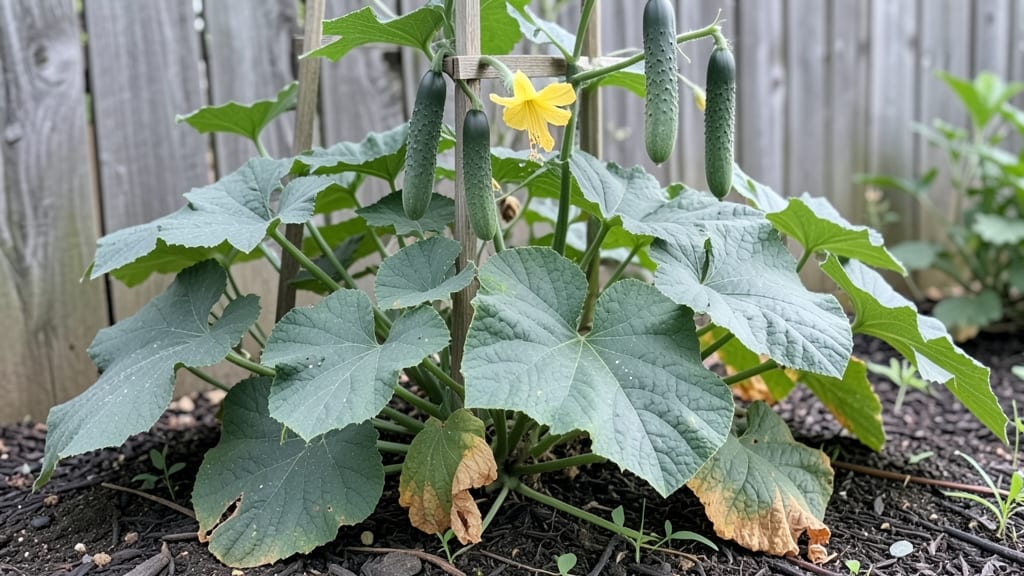
Growing heirloom cucumber plants means you’ll taste cucumbers sweeter and crunchier than anything from the store. 🌱 I learned the hard way that heirlooms need a little extra care—like richer soil and consistent water—but the payoff is worth it.
These vines produce prolifically with minimal pruning, and the flavors range from buttery to tangy, depending on the variety you choose.
The secret to thriving heirloom cucumbers starts with well-draining soil mixed with compost. Plant seeds or transplants after the last frost when soil reaches 60°F, spacing them 2-3 feet apart for good airflow.
Trellises or cages save space and keep fruits clean, though bush varieties like ‘Straight Eight’ don’t need support. Water deeply 1-2 inches per week and mulch to retain moisture—drought stress turns cucumbers bitter.
By midsummer, you’ll be harvesting crisp, seedless cucumbers straight from the vine. Heirlooms like ‘Lemon Cucumber’ or ‘Boston Pickling’ stay productive for weeks, and you can save seeds from your best fruits for next year.
The key is consistency: too much nitrogen means leafy vines but few cucumbers, while balanced fertilizer keeps production steady.
Even in small spaces, these vines thrive with the right setup. Containers work for bush types, and vertical growing maximizes yield. Here’s how to keep them happy all season long—no green thumb required, just patience and a little know-how.
📚 In This Guide
- What you need
- Instructions
- Tips and common mistakes
- Wrapping up and next steps
What you need
- ● Heirloom cucumber seeds or seedlings: Choose varieties like Lemon Cucumber, Straight Eight, or Armenian Cucumber (3–5 plants per 10-foot row).
- ● Well-draining potting mix or garden soil: Amend with compost (2–3 inches) for nutrient-rich growth.
- ● Containers or garden beds: Containers: 5-gallon pots or larger (1 plant per container).
- ● Garden beds: Raised beds or in-ground plots with full sun (6+ hours/day).
- ● Support structures: Trellis, stakes, or cages (4–6 feet tall) for vertical growth.
- ○ Optional: Floating row covers for early-season frost protection.
- ● Fertilizer: Balanced organic fertilizer (10-10-10) or compost tea at planting.
- ● Side-dress with nitrogen-rich fertilizer (e.g., fish emulsion) mid-season.
- ● Watering tools: Drip irrigation or soaker hose (to keep soil consistently moist).
- ● Watering can (for containers).
- ● Pruning shears or scissors: For minimal trimming (sterilized with rubbing alcohol).
- ● Mulch: Straw or shredded leaves to retain moisture and suppress weeds.
- ● Companion plants: Marigolds, nasturtiums, or beans to deter pests naturally.
- ● pH test kit: Ensure soil pH is 6.0–6.8 (ideal for cucumbers).
- ● Shade cloth: For hot climates to prevent sunscald on fruits.
- ● Harvest basket or knife: For easy, clean picking!
Step-by-step guide to growing thriving heirloom cucumber vines
Here’s how to cultivate vigorous, productive heirloom cucumbers with minimal fuss—no overpruning required.
🌱 Step 1: Select the Right Variety and Planting Site
Choose bush or semi-bush heirloom varieties like ‘Straight Eight’ or ‘Lemon Cucumber’ for smaller spaces—they produce abundantly without sprawling. Avoid vining types unless you have a trellis or tall fence. Plant in a location with full sun (6-8 hours daily) and well-draining soil with a pH of 6.0-6.8. I test soil first to adjust with compost if needed—cucumbers hate soggy roots.
Space plants 3-4 feet apart in rows 5-6 feet apart to allow airflow and reduce disease risk. If growing vertically, install a sturdy trellis or wire cage before planting. I use 4-foot tall tomato cages for bush varieties—they’re cheap and effective. Avoid planting cucumbers where melons, squash, or other cucurbits grew last year to prevent soil-borne diseases.
💧 Step 2: Prepare Soil and Plant with Care
Mix 2-3 inches of compost into the top 6 inches of soil at planting time—cucumbers are heavy feeders and need rich organic matter. Avoid fresh manure; it burns tender roots. I also add a handful of bone meal per plant for phosphorus to boost early root and vine growth. Water the soil deeply 24 hours before planting to help roots establish faster.
Dig holes twice as wide as the root ball but no deeper. Gently remove plants from their containers and loosen any circling roots with your fingers. Place each plant in its hole, ensuring the crown sits just above soil level—burying it too deep causes rot. Fill the hole with soil, firming it lightly around the base. Water immediately after planting to settle the soil and eliminate air pockets.
☀️ Step 3: Water Deeply and Maintain Consistent Moisture
Cucumbers need 1-2 inches of water per week, delivered at the soil level—not overhead. I use a soaker hose or drip irrigation to keep leaves dry, which prevents powdery mildew. Water in the early morning so foliage dries quickly. Let the top 1-2 inches of soil dry slightly between waterings—consistent moisture prevents bitter fruit and blossom-end rot.
Mulch with 2-3 inches of straw or shredded leaves right after planting to retain moisture and suppress weeds. Avoid plastic mulch—it traps heat and can scorch roots. Watch for yellowing lower leaves, a sign of overwatering or poor drainage. If this happens, reduce frequency slightly and improve soil aeration by gently loosening the top inch of soil around the base.
✂️ Step 4: Prune Strategically for Airflow and Productivity
Heirloom cucumbers thrive with minimal pruning—focus on removing only diseased or damaged leaves and vines. Use clean, sharp pruners to cut just above a leaf node, never tearing tissue. I remove yellow or spotted leaves immediately to prevent fungal spread. For bush varieties, pinch off the first few flowers if the plant looks stressed—this redirects energy to root and vine growth before fruiting.
For vining types, train new growth along the trellis by tying every 6-8 inches with soft plant ties. Avoid over-pruning side shoots—these produce most of the fruit. If vines get leggy, trim only the topmost 6 inches to encourage bushier growth. Never remove more than 20% of the plant’s foliage at once, or you’ll shock the vine and reduce yields.
🌿 Step 5: Harvest at Peak Ripeness for Best Flavor
Harvest cucumbers every 2-3 days when they’re 6-8 inches long for bush varieties or 8-12 inches for vining types, depending on the heirloom. Use pruners or a sharp knife to cut stems cleanly—never pull fruit, which damages vines. I harvest in the early morning when skins are cool and crisp, ensuring maximum shelf life.
Watch for yellowing or shriveled fruit—these are overripe and should be used immediately. Store harvested cucumbers in the crispest drawer of your fridge for up to 5 days. If vines slow production mid-season, side-dress with compost tea for a quick nutrient boost. Stop harvesting 2-3 weeks before first frost—this allows energy to store in roots for next year’s growth.
Tips & tricks for thriving heirloom cucumber vines
These battle-tested strategies will help you cultivate cucumbers that burst with flavor and productivity with minimal effort.
Soil Preparation Secret: The 24 hours before planting is your golden opportunity to create the perfect foundation. I like to add a handful of kelp meal along with the bone meal—it provides trace minerals that cucumbers crave but can't get from compost alone. This small addition makes a noticeable difference in vine vigor and fruit quality. The key is working this into the top 6 inches of soil where roots will establish most actively.
Planting Precision: When placing your cucumber plants, pay special attention to the crown position. The crown should sit just above soil level—this is critical for preventing rot while allowing quick access to moisture. I've found that using a small wooden stake marked at the correct depth helps maintain consistency, especially when planting multiple rows. After planting, give the soil a gentle firming with your hands to eliminate air pockets around the roots.
Watering Wisdom: The 6-8 hours of daily sunlight means your cucumbers will be thirsty, but timing matters more than quantity. I've learned to water deeply in the morning, then again in the late afternoon during peak summer heat. This two-phase approach prevents stress while keeping leaves dry overnight, which dramatically reduces powdery mildew risk. The top 1-2 inches of dry soil between waterings is your guide—it should feel slightly dry to the touch, not bone-dry.
Pruning Strategy: When it comes to pruning, less is always more with heirloom cucumbers. I focus on removing only the most problematic leaves—those that are yellowed, spotted, or touching the soil. For bush varieties, I make it a habit to inspect plants every 3-4 days during peak growing season. The goal is to maintain airflow while preserving as much leaf surface as possible, which is where the plant produces its energy through photosynthesis.
Pro Tips for Heirloom Cucumber Plants
- These battle-tested strategies will help you cultivate cucumbers that burst with flavor and productivity with minimal effort.
- Soil Preparation Secret: The 24 hours before planting is your golden opportunity to create the perfect foundation.
- Planting Precision: When placing your cucumber plants, pay special attention to the crown position.
Frequently asked questions
Got questions about growing heirloom cucumber plants? You’re not alone! Here are answers to the most common queries to help you cultivate thriving vines with ease.
How long does it take for heirloom cucumbers to produce fruit?
Most heirloom cucumber varieties start producing fruit 50–70 days after planting, depending on the cultivar and growing conditions. Warmth and consistent moisture speed things up—so give them plenty of sun (6–8 hours daily) and well-draining soil. Patience pays off with sweet, crisp cucumbers!
Can heirloom cucumbers survive frost?
Nope! Heirloom cucumbers are tender annuals and cannot tolerate frost. Plant them only after the last frost date in your area (usually when soil temps hit 55–60°F). If frost threatens, cover young plants with frost cloth or row covers for short-term protection.
What are the best companion plants for heirloom cucumbers?
Heirloom cucumbers thrive with companion plants that repel pests or improve growth. Try:
- Marigolds (deter pests like cucumber beetles)
- Nasturtiums (trap aphids and add color)
- Beans or peas (fix nitrogen in the soil)
- Dill or fennel (attracts pollinators)
Why are my heirloom cucumber leaves turning yellow?
Yellow leaves are often a sign of overwatering, nutrient deficiency, or disease. Check these fixes:
- Water deeply but infrequently—cucumbers hate soggy roots.
- Test soil pH (ideal: 6.0–6.8) and amend with compost.
- Look for powdery mildew (white fuzzy spots) and treat with neem oil or baking soda spray.
- Ensure 6+ hours of sunlight daily—shady spots weaken plants.
Can I grow heirloom cucumbers in containers?
Choose compact or bush varieties (like ‘Bush Champion’ or ‘Spacemaster’) and use containers at least 12–18 inches deep with drainage holes. Opt for self-pollinating types if space is tight. Just ensure they get full sun and regular watering—container soil dries out faster!
Wrapping up and next steps
Growing heirloom cucumber plants is a rewarding experience that blends simplicity with bountiful harvests—even with minimal pruning! These hardy vines thrive with the right companion plants, smart spacing, and a little patience.
Whether you’re a seasoned gardener or just starting out, embrace the process and enjoy the crisp, flavorful rewards your garden will produce.
Ready to take the next step? Start small—plant a few heirloom varieties alongside your favorite companions, like dill or radishes, and watch your garden flourish. Happy growing! 🌱