
How To
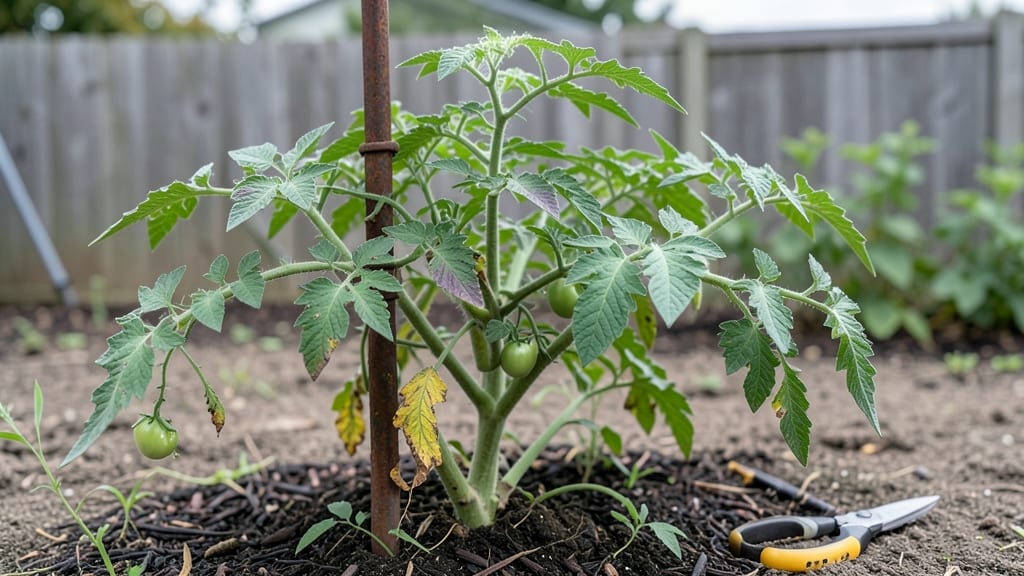
Growing tall tomato plants starts with the right varieties and pruning science that turns floppy vines into sturdy towers. ✨ I’ve watched indeterminate tomatoes like ‘Sungold’ and ‘Brandywine’ climb my trellis to 8 feet—and it’s all about timing, support, and knowing when to cut.
The secret isn’t brute force; it’s guiding growth so the plant invests energy upward instead of sprawling. One wrong snip, and you’ll end up with bushy messes instead of sky-high stems. But get it right, and you’ll harvest tomatoes from the top of the plant all summer long.
You’ll need 5- to 6-foot stakes or a sturdy trellis, organic fertilizer for steady growth, and sharp pruners to make clean cuts. The soil should drain well but hold moisture—think compost-rich loam—and you’ll water deeply 2-3 times a week, more in heatwaves.
Prune suckers (those little shoots in the leaf axils) regularly, and always cut above a leaf or branch to encourage new growth. The goal? A single, strong stem with branches only where you direct them. It’s like sculpting a plant—every cut shapes the final tower.
📚 In This Guide
- What you need
- Instructions
- Tips and common mistakes
- Wrapping up and next steps
What you need
- ● Tomato seeds or seedlings: Indeterminate varieties (e.g., Sungold, Brandywine, Cherokee Purple) for tall growth. Quantity: 3–5 plants (or 10–20 seeds if starting from scratch).
- ● Containers or garden bed: Containers: 5-gallon pots or larger (minimum 18" deep) with drainage holes. Quantity: 1 per plant.
- ● Garden bed: Well-draining soil, 6–8" deep, with full sun (6+ hours/day).
- ● Potting mix: High-quality, organic mix with compost (avoid garden soil—it compacts!). Quantity: 1–2 cubic feet per plant.
- ● Stakes or cages: Stakes: 6–8 ft tall bamboo or metal stakes (2–3 per plant for support).
- ● Cages: 5–6 ft tall tomato cages (1 per plant).
- ● Pruning tools: Bypass pruners (sharp, clean) for trimming suckers and leaves.
- ● Garden shears (for larger branches).
- ● Fertilizer: Balanced organic fertilizer (10-10-10 or 5-5-5) or compost tea. Quantity: Follow package instructions.
- ● Mulch: Straw or shredded leaves to retain moisture and suppress weeds. Quantity: 2–3 inches per plant.
- ● Watering can or hose: With a gentle spray nozzle to avoid damaging stems.
- ● Trellis system: For extra support (e.g., A-frame or wall-mounted trellis).
- ● Plant ties: Soft cloth or Velcro straps to secure vines to stakes/cages.
- ○ Growth regulator: Optional for indeterminate varieties (e.g., ProGibb to control height if needed).
- ● Soil pH test kit: To ensure optimal pH (6.0–6.8 for tomatoes).
- ● Drip irrigation: Automated system to keep plants consistently hydrated.
Step-by-step guide to pruning for towering tomato plants
Turn your tomato plants into sturdy giants with these pruning secrets—no fancy tools needed.
🌱 Step 1: Start with Strong, Healthy Seedlings
Begin with 4 healthy tomato seedlings (indeterminate varieties work best for height). Choose plants with thick stems and deep green leaves—these are your tall-growth foundation. Plant them in well-draining soil enriched with compost, and place them in a spot with full sun for at least 6-8 hours daily. The stronger the base, the taller the plant will grow later.
Water deeply once a week (or more in hot weather) to encourage deep root growth. Avoid wetting the leaves to prevent disease. You’ll know your plants are thriving when they develop 3-4 true leaves—this is when pruning begins. Real talk: Skipping this step leads to weak stems that snap under fruit weight.
✂️ Step 2: Remove Suckers for Vertical Growth
Suckers are the small shoots that grow in the V-shaped junction between the main stem and a branch. These compete for energy, so pinch them off early—they appear 2-3 weeks after transplanting. Use your fingers or clean pruners to gently twist or snip them just above the leaf they’re growing from. You’ll see 2-3 suckers per plant at first, but more appear as the plant grows.
Focus on removing suckers below the first flower cluster. This directs energy upward, not into fruit production too soon. Here’s the thing—if you leave suckers, your plant will bush out instead of reaching skyward. I like to prune suckers every 5-7 days during the growing season to keep the plant focused on height.
☀️ Step 3: Train the Main Stem for Maximum Height
When your plant reaches 3-4 feet tall, tie the main stem to a sturdy stake or trellis using soft plant ties or old T-shirts. This prevents bending and encourages vertical growth. As the plant grows, add more support every 12-18 inches—think of it like building a ladder. The goal is to keep the stem straight and upright so it can reach its full potential.
Remove any leaves that grow below the first 12 inches of the plant. These shade the fruit and slow ripening. You’ll also want to prune lower branches that grow from the main stem—these drain energy better spent on upward growth. Watch for yellowing leaves at the base; these are signs the plant is struggling to support its own weight.
🌿 Step 4: Balance Pruning and Fruit Production
Once your plant hits 5-6 feet tall, shift focus to fruit-bearing branches. Let 2-3 strong branches grow from the main stem, but prune the rest. These branches should be at least 12 inches apart to avoid crowding. Pinch off any suckers that grow on these branches—you want all energy going into fruit development, not extra foliage.
Here’s the pruning science: Remove leaves that block sunlight from reaching the fruit clusters. This improves air circulation and reduces disease risk. You’ll see larger, riper tomatoes when the plant isn’t overloaded with leaves. I promise, a little strategic pruning now means bigger harvests later. Just don’t go overboard—leave enough leaves to keep the plant photosynthesizing.
⏰ Step 5: Late-Season Care for Long Stems
As summer winds down, reduce pruning to let the plant focus on ripening existing fruit. Stop tying new growth to stakes if your plant is already 7+ feet tall—let it lean naturally to avoid stress. Water deeply 2-3 times per week (more in heatwaves) to keep the plant hydrated without shocking it.
Watch for overripe or cracked tomatoes—these need harvesting immediately. If your plant shows signs of wilting or yellowing, it may be struggling to support its own weight. In this case, prune back lightly to reduce stress. By late August, most tall tomato plants will have stopped growing, so shift focus to harvesting and preserving your bounty.
Tips & tricks for perfect tall tomato growth
Here's what I've learned from years of growing sky-high tomato plants—these tricks make all the difference between a bushy plant and a towering giant.
Sucker Removal Timing: I can't stress enough how critical the 2-3 week window is after transplanting. That's when those first suckers appear, and removing them early is what gives your plant its vertical focus. I set a reminder on my phone every 5-7 days during growing season to check for new suckers—consistency is key. Don't wait until you see a forest of suckers before acting, or you'll lose your height advantage.
Support System Strategy: When your plants hit 3-4 feet, I recommend using two stakes per plant—one on each side—rather than just one central stake. This creates a more stable triangle support system that prevents bending, especially during wind or heavy fruit loads. For extra stability, I bury the stakes at least 18 inches deep and tie the main stem to both stakes simultaneously. This simple upgrade has prevented countless broken stems in my garden.
Leaf Management Secret: The first 12 inches of your plant are prime real estate for sunlight access to the fruit. I make it a habit to remove any leaves growing below this zone completely, not just trim them. These lower leaves create too much shade and actually slow down ripening. Pro tip: Use clean, sharp pruners and make cuts just above a leaf node to encourage new growth higher up where it matters most.
Late-Season Pruning: As summer winds down and your plants hit 7+ feet, I shift to a "less is more" approach. Instead of aggressive pruning, I focus on removing only the most problematic leaves—those that are yellowing, diseased, or completely blocking sunlight from fruit clusters. This gentle approach lets the plant concentrate all its energy on ripening what's already there rather than growing new foliage it won't have time to mature.
Pro Tips for Grow Tall Tomato Plants
- Here's what I've learned from years of growing sky-high tomato plants—these tricks make all the difference between a bushy plant and a towering giant.
- Sucker Removal Timing: I can't stress enough how critical the 2-3 week window is after transplanting.
- Support System Strategy: When your plants hit 3-4 feet, I recommend using two stakes per plant—one on each side—rather than just one central stake.
Frequently asked questions
Got questions about growing tall tomato plants? You’re not alone—here are some of the most common ones, answered for quick, stress-free gardening!
How tall can tomato plants really grow with pruning?
With proper pruning and support, indeterminate tomato varieties (like ‘Sungold’ or ‘Brandywine’) can reach 10–15 feet tall! Determinate types stay shorter (3–5 feet). Prune aggressively to encourage vertical growth, but balance it with airflow to avoid disease.
When should I start pruning for height?
Begin pruning when your plant is 12–18 inches tall, focusing on suckers (side shoots in leaf axils). For tall varieties, prune weekly during peak growth (spring/summer). Stop pruning 6–8 weeks before harvest to let energy go to fruit, not foliage.
What if my tomato plant grows too fast and flops over?
Floppy stems mean lack of support or over-pruning. Immediately stake or cage the plant (use bamboo stakes or tomato cages) and prune back any weak, leggy growth. For extra stability, tie stems to stakes with soft plant ties every 12 inches.
Can I prune too much? What are the signs?
Yes! Over-pruning leads to fewer leaves = less energy for fruit. Signs include yellowing leaves, stunted growth, or blossom drop. Leave 3–5 main stems (for indeterminates) and always keep 1–2 leaves above each fruit cluster for photosynthesis.
What’s the best time of day to prune tall tomato plants?
Prune in the early morning (before 10 AM) to let wounds dry before evening. Avoid pruning in hot afternoons (stresses plants) or after rain (increases disease risk). Sterilize shears with rubbing alcohol between cuts!
Wrapping up and next steps
Growing tall, thriving tomato plants is all about patience, pruning, and a little science! 🌱 By choosing the right varieties, providing sturdy support, and mastering pruning techniques, you’ll soon be harvesting sun-ripened tomatoes from sky-high vines. Remember, consistency is key—whether it’s watering, fertilizing, or trimming those suckers.
Now that you’re armed with the know-how, roll up your sleeves and get planting! 🌟 Start with just one or two plants if you’re new, and soon you’ll be experimenting with taller varieties and even training your tomatoes to climb trellises.
Happy growing—your future salads (and bragging rights) will thank you!