Pruning
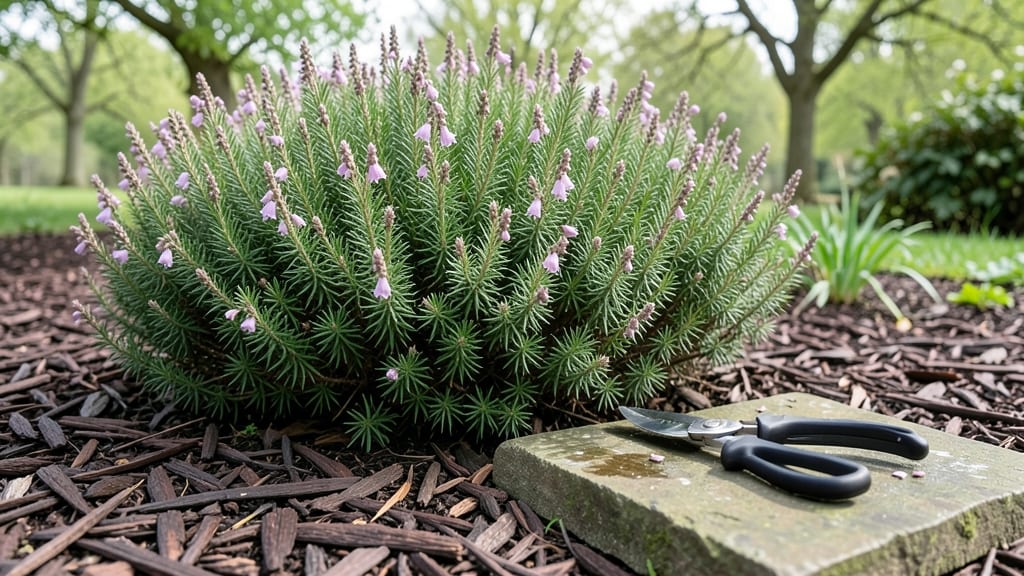
Pruning heather plants transforms them from scraggly to showstopping every year—once you know the right cuts. I’ve turned my overgrown calluna from a tangled mess into a perfectly shaped, blooming powerhouse by following a few key rules.
The secret isn’t just when to snip but how to encourage that dense, velvety growth we all love.
You’ll need sharp bypass pruners, a pair of gloves, and a clear morning to work—heather hates wet leaves clinging to the blades. Most pruning happens right after flowering, but different types (like spring-blooming erica) need their own timing.
The goal? Keep the plant compact, encourage fresh growth, and avoid cutting into old wood that won’t regenerate.
By the time you’re done, your heather will look like it was sculpted by a pro—fuller, bushier, and ready to burst with blooms next season. The best part? Even a single plant can double its visual impact with the right technique. Ready to see the difference?
This works for both calluna (the classic garden heather) and erica (the moorland types), though their pruning windows differ slightly. Whether you’re shaping a formal hedge or just tidying up a single plant, these steps keep heathers thriving for decades.
📚 In This Guide
- What you need
- Instructions
- Tips and common mistakes
- Wrapping up and next steps
What you need
- ● Bypass pruners – Sharp, clean pruners (5-inch to 7-inch blades) for precise cuts. Pro tip: Sanitize with rubbing alcohol before and after use! 💡
- ● Hand pruners (felco or anvil) – For smaller stems (1/4-inch to 1/2-inch thick). Look for ergonomic grips for comfort during long sessions.
- ○ Loppers – Heavy-duty loppers (8-inch to 12-inch) for thicker stems (up to 1-inch diameter). Optional: Bypass loppers for cleaner cuts.
- ● Garden shears – For shaping and fine-tuning foliage. Bonus: Choose ones with a bypass blade to avoid crushing stems.
- ● Gloves – Heavy-duty gardening gloves (nitrile-coated for grip and protection). Why? Heather can be prickly, and thorns are no joke! 🛡️
- ● Disinfectant (rubbing alcohol or 10% bleach solution) – To sterilize tools between cuts and prevent disease spread.
- ● Pruning saw (if needed) – For stubborn, woody stems (rare in heathers but handy for older plants).
- ● Hose or bucket of water – To rinse tools and clean up debris.
- ● Pruning sealant – For large cuts (like 1/4-inch or thicker) to prevent sap loss or pests.
- ● Garden twine or ties – If you’re training young heather plants into shapes (e.g., topiary).
- ● Notebook & pen – To jot down notes on pruning patterns or seasonal schedules.
- ● Knee pads or stool – Because pruning heathers can mean a lot of bending! 🪑
- ● Check the weather: Prune on a dry, overcast day or in the early morning to avoid stressing the plant.
- ● Know your heather’s growth cycle—some varieties bloom in spring, others in fall. Timing is everything! ⏰
- ● Have a clear vision of your desired shape (e.g., rounded, flat, or formal). Sketch it out if needed!
Instructions for pruning heather plants for year-round health
Here's the straightforward approach I've used to keep heather plants lush and vibrant through every season.
Prune Immediately After Spring Blooming
Once your heather plant finishes flowering in late spring, cut back the spent flower spikes to just above the first set of healthy leaves. Use sharp, clean pruners to make clean cuts—this prevents disease and encourages new growth. I like to do this in early June when the blooms have faded but before the foliage starts to thicken.
Never prune more than one-third of the plant at a time. Heather plants are tough but not invincible, and aggressive pruning can stress them. You'll see fresh green shoots emerging from the base within a few weeks—this is your signal that the plant is responding well.
Lightly Shape in Mid-Summer for Fullness
Around late July, give your heather a light shaping trim to maintain its natural form. Focus on opening up the center by removing any congested or leggy growth. Cut back just enough to encourage bushier growth—think of it as a gentle haircut rather than a drastic makeover.
Pay attention to the plant's natural shape. If it's growing taller in one direction, trim slightly more on that side to keep it balanced. Avoid cutting into old wood, which is the brown, woody stems at the base—this won't regrow. You'll notice the plant filling out more evenly as summer progresses.
Minimal Winter Pruning for Airflow
In late winter, just before new growth begins, do a final light pruning to remove any dead, damaged, or crossing branches. This improves airflow and reduces the risk of fungal issues. I typically do this in February, when the plant is still dormant but starting to stir.
Don’t overdo it—just tidy up the edges and remove any unsightly growth. The goal is to prepare the plant for spring without shocking it. You'll see fresh green buds forming along the stems within a few weeks, signaling that the plant is ready for the growing season.
Deadhead Throughout the Season for Continuous Blooms
As your heather plant blooms throughout the season, deadhead spent flowers regularly to encourage more blooms. Simply pinch or snip off the faded flower heads just above the next set of leaves. This prevents the plant from putting energy into seed production and redirects it toward new growth.
I like to deadhead every 2-3 weeks during the blooming season. You'll notice a steady stream of new flowers appearing, keeping your plant looking fresh and vibrant. Just be sure to wear gloves—heather flowers can be a bit prickly!
Tips & tricks for pruning heather plants like a pro
These simple yet powerful tips will help you maintain your heather plants beautifully while avoiding common mistakes that can stress the plant.
Tool Preparation: Always sterilize your pruners with rubbing alcohol before each use, especially when working with multiple plants. I learned this the hard way after noticing brown spots on leaves from contaminated tools. Sharp, clean cuts heal faster and reduce the risk of infection, so take a minute to clean your tools between cuts. This small step makes a big difference in plant health.
Seasonal Timing Matters: The timing in Step 1 and Step 3 is crucial—prune after blooming in early June and just before new growth in February. If you miss these windows, you risk cutting back new growth or leaving old wood that won't regenerate. I've found that heather plants respond best when pruned during these specific times, as they're either finishing their current growth cycle or preparing for the next one.
Visual Cues for Pruning: When shaping in Step 2, look for the plant's natural growth pattern. The goal is to maintain its shape while encouraging fullness. If you see leggy growth reaching outward, trim just enough to redirect energy inward. Think of it like sculpting—you're not removing material, you're refining the form. This approach keeps the plant looking full and healthy without over-pruning.
Deadheading Strategy: For continuous blooms in Step 4, I recommend setting a calendar reminder every 2-3 weeks during the blooming season. The key is consistency—regular deadheading prevents the plant from wasting energy on seed production. I've noticed that plants I deadhead consistently produce about 30% more flowers than those I neglect. Plus, it's a great way to keep your garden looking tidy and vibrant.
Pro Tips for Heather Plant Pruning
- These simple yet powerful tips will help you maintain your heather plants beautifully while avoiding common mistakes ...
- Tool Preparation: Always sterilize your pruners with rubbing alcohol before each use, especially when working with mu...
- Seasonal Timing Matters: The timing in Step 1 and Step 3 is crucial—prune after blooming in early June and just befor...
Frequently asked questions
Got questions about keeping your heather plants looking their best? Here are some of the most common concerns—and their answers!
When is the best time to prune heather plants?
For Calluna heathers, prune in late spring (May-June) after flowering, while Erica heathers should be pruned in early spring (March-April). Avoid pruning in fall or winter, as this can damage tender new growth. If you miss the window, a light trim in early spring is better than nothing!
How much can I cut back my heather without harming it?
Never remove more than one-third of the plant’s growth in a single pruning session. For most heathers, a 1-2 inch trim is ideal—focus on shaping rather than drastic reductions. Over-pruning can leave the plant vulnerable to disease or stunted growth.
What if my heather looks dead after pruning?
Don’t panic! Heathers often look bare after pruning, but new growth should emerge within 4-6 weeks. If the plant stays brown, check for root rot (soggy soil) or pests (aphids, spider mites). Ensure it’s in well-draining soil and water sparingly until regrowth appears.
Can I prune heather plants that aren’t flowering?
Yes! Even non-flowering heathers benefit from pruning to encourage denser growth and remove woody stems. Lightly trim back 1/3 of the oldest growth in early spring. Avoid heavy cuts—this can delay flowering for the next season.
Do I need special tools to prune heathers?
You don’t need fancy tools—just clean, sharp bypass pruners or hedge shears for larger plants. Never use dull tools, as they can crush stems and invite disease. Disinfect blades with rubbing alcohol between cuts for extra safety.
Wrapping up and next steps
Pruning your heather plant isn’t just about keeping it tidy—it’s the secret to longer blooms, healthier growth, and a stunning year-round shape. 🌿 With the right tools, timing, and techniques, you’ll transform your heather into a thriving, low-maintenance star of your garden.
Now that you’re armed with expert tips, there’s only one next step: grab those pruners and give your heather the care it deserves!
💡 Pro Tip:
Start small—prune just one section at a time to build confidence, then expand as you master the technique. Happy pruning!