
Companion Plants
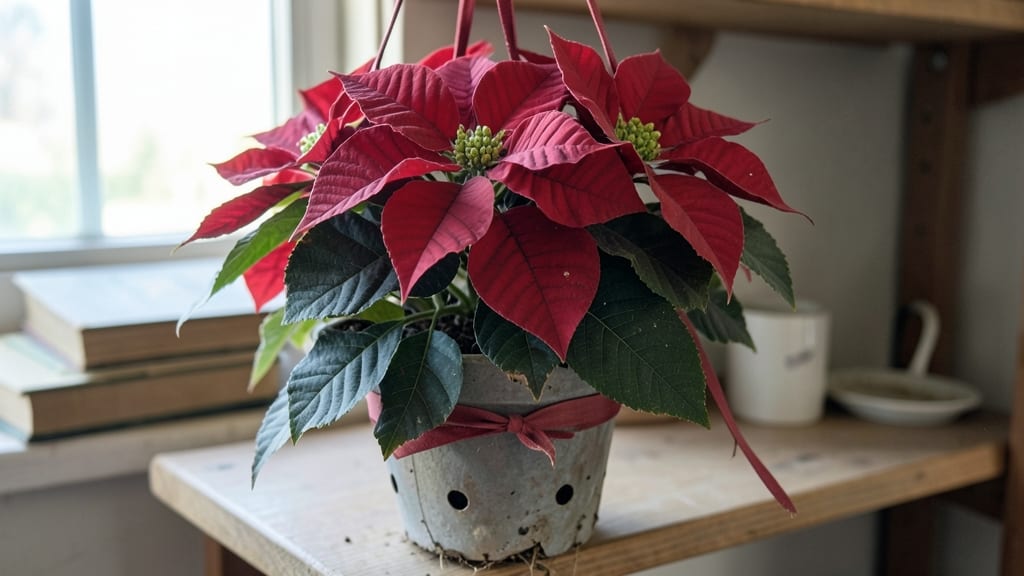
Creating a hanging Christmas plants display that lasts beyond December starts with the right choices—poinsettias, Christmas cacti, and amaryllis all bring bold color while thriving indoors.
I’ve learned the hard way that treating them like temporary decorations leads to sad, wilted stems by New Year’s. The secret lies in matching their natural light needs, watering routines, and even the pots you choose.
You’ll need bright indirect light for at least 6 hours daily, self-watering pots to prevent root rot, and a consistent temperature above 60°F. My first holiday season with these plants ended in disaster when I overwatered them—now I check soil moisture with my finger before adding water.
The right setup turns a seasonal display into a year-round conversation piece.
By Valentine’s Day, your hanging plants will still be vibrant, with poinsettias reblooming if you follow the 14-hour dark treatment trick. Christmas cacti reward patience with spring flowers, and amaryllis bulbs can regrow for next year.
The key is adjusting care as seasons shift—more light in winter, less water in dormancy, and occasional pruning to keep them bushy.
This approach works for apartments, sunrooms, or even covered porches where temperatures stay mild. The same principles apply whether you’re decorating for Thanksgiving or extending the holiday magic through winter. Let’s make your festive foliage last—and look better than the neighbors’ by February.
📚 In This Guide
- What you need
- Instructions
- Tips and common mistakes
- Wrapping up and next steps
What you need
- ● Hanging Christmas Plants (Pilea involucrata) – 1-3 plants (choose healthy, well-rooted specimens with lush green leaves).
- ● Hanging baskets or macramé planters – 1-3 units (6-12 inches in diameter, with drainage holes). Tip: Terracotta or woven baskets work best!
- ● Well-draining potting mix – 1-2 bags (look for a blend labeled for aroids or tropical plants, or mix 50% peat moss, 30% perlite, and 20% orchid bark).
- ● Slow-release fertilizer – 1 packet (balanced, 10-10-10 or organic options like fish emulsion).
- ● Watering can with a narrow spout – 1 (for precise watering without over-saturating).
- ● Scissors or pruning shears – 1 pair (sterilized, for trimming dead leaves or shaping).
- ● Supportive hooks or ceiling brackets – 1-3 units (ensure they can hold 10+ lbs per plant when mature).
- ● Decorative moss or sphagnum – To add a whimsical, woodland touch around the base of the planter.
- ● Miniature fairy lights or holiday ornaments – For a magical holiday vibe (use LED lights only to avoid heat damage).
- ● Plant labels – To track watering schedules and care tips.
- ● Humidity tray or pebble tray – If your home is dry (hanging plants love 50-70% humidity).
- ● Misting bottle – For occasional leaf freshening (especially in winter).
Step-by-Step instructions for creating a year-round hanging Christmas plant display
This is how I transform seasonal holiday plants into lush, long-lasting displays that brighten any room.
Select and Prepare the Right Containers
Choose macrame hangers or ceramic baskets with drainage holes—both work beautifully, but macrame allows roots to breathe while ceramic retains moisture longer. I prefer 10-12 inch diameter containers for four plants, as they provide enough space without overwhelming smaller rooms. Before planting, line the bottom with sphagnum moss to prevent soil from spilling through the drainage holes while still allowing excess water to escape.
If using macrame, double-knot the bottom loops tightly to create a sturdy base. For ceramic baskets, place a terracotta shard over the drainage hole to keep soil in place. Pre-moisten the sphagnum moss with room-temperature water until it feels damp but not dripping—this ensures the roots have immediate access to moisture when you plant.
Choose Complementary Foliage for Year-Round Appeal
For a festive yet functional display, I mix holly (Ilex spp.), English ivy (Hedera helix), Christmas fern (Polystichum acrostichoides), and creeping fig (Ficus pumila). Holly adds bold color and structure, ivy provides trailing texture, ferns offer delicate fronds, and creeping fig cascades beautifully. Each plant should have 3-4 established stems to create immediate impact.
Gently remove plants from their nursery pots and tease the roots apart if they’re circling. This encourages outward growth rather than a tangled root ball. Place each plant in its designated spot in the container, spacing them 3-4 inches apart to allow for future growth. The goal is a balanced look—distribute taller plants like holly toward the back and trailing varieties like ivy toward the edges.
Use a Well-Draining, Nutrient-Rich Soil Mix
Fill the container with a blend of 50% peat moss, 30% perlite, and 20% compost—this combination retains moisture while preventing root rot. I avoid garden soil entirely, as it compacts too easily in hanging containers. Gently firm the soil around each plant’s base with your fingers, ensuring there are no air pockets that could cause roots to dry out.
Water the container thoroughly until water runs freely from the drainage holes. This step is critical—it settles the soil and ensures the plants establish quickly. After watering, let the container sit for 10-15 minutes to drain excess moisture. You’ll know it’s ready when the top inch of soil feels slightly damp but not soggy.
Position for Optimal Light and Humidity
Place your hanging display in a location with bright, indirect light—think east-facing windows or 6 feet from a south-facing window. Direct sunlight can scorch delicate foliage, while too little light causes leggy growth. I keep my display near a humidifier or on a pebble tray filled with water to maintain 50-60% humidity, which mimics the natural environment of many of these plants.
Rotate the container a quarter turn weekly so all sides receive even light. You’ll notice within a few weeks that the plants grow more uniformly rather than leaning toward the light source. Avoid drafty areas like near doors or air vents, as sudden temperature fluctuations stress the plants.
Maintain with Consistent Care for Long-Term Beauty
Water when the top inch of soil feels dry to the touch, typically every 5-7 days depending on your home’s humidity. I use a spray bottle to mist the foliage weekly, especially during winter when indoor air is dry. Fertilize monthly with a balanced liquid fertilizer (10-10-10) diluted to half strength—this keeps the plants vibrant without overwhelming them.
Prune leggy stems or overgrown foliage in early spring to encourage bushier growth. Simply snip just above a leaf node with clean, sharp pruning shears, and the plant will redirect its energy into filling out. With this care, your hanging display will thrive for years, bringing holiday cheer to every season.
Tips & tricks for perfect hanging Christmas plant displays
A few key strategies will help your hanging Christmas plant display thrive beyond the holiday season. These insights come from years of fine-tuning my own arrangements to create displays that remain vibrant year after year.
Container Stability Matters: In Step 1, when preparing your macrame hangers or ceramic baskets, I can't stress enough how important it is to create a secure base. For macrame, double-knot the bottom loops with at least three knots each to prevent the container from twisting or shifting. I've learned this the hard way—once, a poorly secured macrame hanger collapsed under the weight of established plants, sending soil everywhere. For ceramic baskets, the terracotta shard serves a dual purpose: it keeps soil in place while also preventing root circling that can occur when plants grow against container edges. This attention to detail ensures your display remains stable and visually appealing for years.
Root Management is Critical: When teasing apart circling roots in Step 2, focus on creating a loose, open root ball rather than simply pulling them apart. I recommend using a clean, sharp knife to gently separate any tightly bound roots—this prevents damage while encouraging outward growth. The 3-4 inch spacing between plants isn't just about aesthetics; it allows each plant's root system to develop without competing for nutrients. I've found that plants spaced too closely often develop stunted growth as they vie for resources, so resist the temptation to crowd them, especially in smaller containers.
Soil Drainage Technique: The 10-15 minute drainage period in Step 3 is where many people go wrong. While it's tempting to rush this step, allowing the excess water to fully drain is crucial for preventing root rot. I've developed a simple test: after the initial watering, insert a wooden skewer into the soil. If it comes out clean with only minimal moisture clinging to it, your container is properly drained. This technique helps you avoid both overwatering and underwatering, both of which can stress your plants. For added insurance, I recommend using a container with multiple drainage holes—this creates better airflow at the root level.
Light Rotation Strategy: The quarter-turn weekly rotation in Step 4 might seem like a small detail, but it makes a world of difference in creating balanced, lush growth. I've noticed that plants often develop a noticeable lean toward the light source if left unrotated. To make this easier, I mark the container's position on the wall with a small piece of tape before rotating—this helps me maintain consistency. Additionally, if you notice one side of your display looking sparser, that's your cue to increase rotation frequency to every 5-6 days until growth evens out.
Pro Tips for Hanging Christmas Plants
- A few key strategies will help your hanging Christmas plant display thrive beyond the holiday season.
- Container Stability Matters: In Step 1, when preparing your macrame hangers or ceramic baskets, I can't stress enough how important it is to create a secure base.
- Root Management is Critical: When teasing apart circling roots in Step 2, focus on creating a loose, open root ball rather than simply pulling them apart.
Frequently asked questions
Got questions about keeping your hanging Christmas plants lush and festive?
Here are answers to the most common ones—so you can enjoy their beauty without the stress!
How often should I water my hanging Christmas plants?
Water your hanging Christmas plants (like Poinsettias or Christmas Cactus) when the top inch of soil feels dry—usually once a week. Reduce watering in winter, as they’re dormant. Pro tip: Use a saucer under the pot to catch excess water and prevent root rot!
Can I keep hanging Christmas plants outside in winter?
Most hanging Christmas plants (like Poinsettias) are tropical and need to stay indoors where temps stay above 50°F (10°C). If you have hardy options like Holly or Winter Jasmine, protect them from frost with burlap or move them indoors.
What’s the best way to revive a droopy hanging Christmas plant?
Drooping often means underwatering or overwatering. Check the soil—if dry, water thoroughly; if soggy, let it dry out and repot if needed. Poinsettias also wilt if too cold (<50°F/10°C). Move them to a bright, warm spot (60–75°F/15–24°C) and mist leaves for humidity.
Are there low-maintenance alternatives to traditional Christmas plants?
Yes! Try Christmas Cactus (needs minimal water), English Ivy (hardy and trailing), or Pothos (thrives in low light). For color, Kalanchoe blooms all winter with almost no fuss. All are great for hanging baskets!
When is the best time to prune or trim my hanging Christmas plants?
Prune Poinsettias after blooming (late winter) to encourage bushier growth. For Christmas Cactus, trim leggy stems in early spring. Always use sterile scissors and avoid cutting more than ⅓ of the plant at once.
Wrapping up and next steps
Hanging Christmas plants aren’t just a festive touch—they’re a lush, long-lasting addition to your home that brings joy year after year! 🌿 With the right care and a little creativity, these vibrant plants can thrive as holiday decor and vibrant greenery for seasons to come.
Whether you’re a seasoned gardener or a plant parent just starting out, the key is patience, consistency, and a dash of holiday magic.
Ready to elevate your space? Start by choosing your favorite hanging plant and follow the steps above to create a stunning display. Then, share your festive setup on social media—tag us and inspire others to bring the holiday spirit indoors! 🎄✨