
Companion Plants
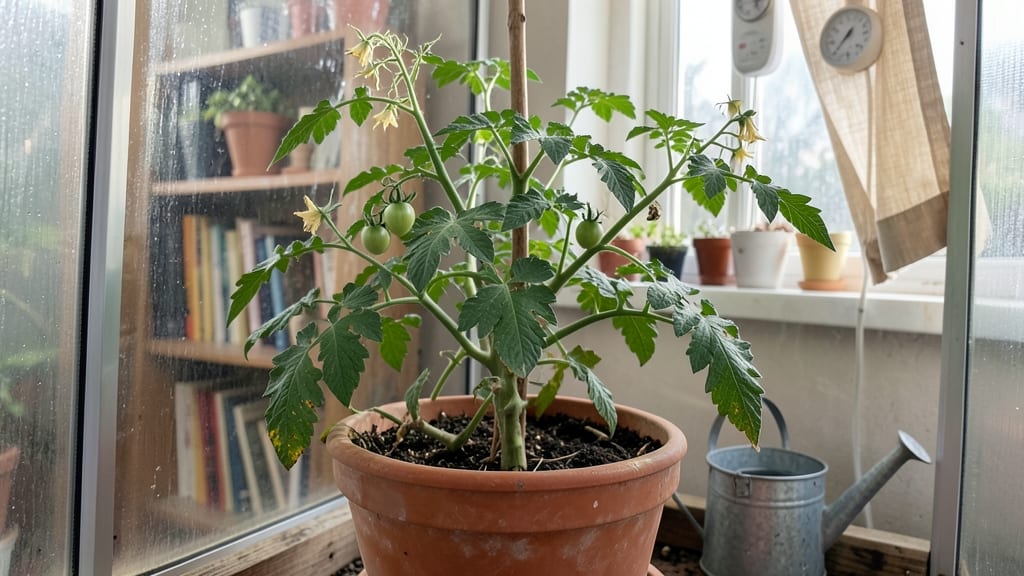
Ensuring greenhouse plants safety requires choosing pet-friendly options like spider plants, Boston ferns, or African violets, while steering clear of harmful varieties such as dieffenbachia, oleander, or sago palm, which pose risks to both pets and humans. Always verify plant toxicity before adding them to your greenhouse.
Keeping your greenhouse safe starts with understanding which plants pose risks. Many toxic varieties contain irritating sap or compounds that cause vomiting, drooling, or skin irritation when ingested or touched. 🌱 For example, dieffenbachia can cause severe mouth swelling in pets, while sago palm contains toxins that damage the liver.
The good news? Non-toxic alternatives like peace lilies or orchids offer equally beautiful foliage without the dangers. Always double-check labels or consult a plant toxicity database before making selections.
Beyond just avoiding harmful species, consider your greenhouse's environment. High humidity can amplify the potency of certain plant toxins, so proper ventilation becomes even more critical. I recommend keeping a list of certified non-toxic plants nearby during shopping trips—it's saved me from several close calls with questionable varieties.
When in doubt, opt for edible greenhouse plants like basil or mint, which are completely safe and add practical benefits to your growing space.
💡 In This Article
- Identifying Toxic Greenhouse Plants and Their Dangers
- Safe Greenhouse Plant Alternatives for Families and Pets
Identifying toxic greenhouse plants and their dangers
Toxic greenhouse plants pose risks primarily through their chemical compounds, which can cause irritation, poisoning, or allergic reactions. Many dangerous species contain calcium oxalate crystals—sharp, needle-like structures that cause painful mouth irritation and swelling when chewed.
For example, philodendrons and peace lilies (ironically often marketed as pet-safe) contain these crystals, leading to excessive drooling and vomiting in pets within 30-60 minutes of ingestion. The sap from plants like oleander also contains cardiac glycosides, which can disrupt heart rhythms in both humans and animals.
Foxglove, another common greenhouse plant, contains digitalis—a compound that affects the nervous system and can cause severe symptoms like irregular heartbeat, confusion, and even death if ingested in large quantities. The plant's attractive purple flowers mask its deadly nature, making it particularly dangerous for curious pets or children.
Even touching some toxic plants, like dieffenbachia, can cause skin irritation or blistering due to their caustic sap. The severity of reactions varies: while some plants may cause mild stomach upset, others like sago palm can lead to liver failure in pets within 2-3 days of ingestion.
Symptoms of exposure often include excessive drooling, vomiting, lethargy, or difficulty swallowing in pets, while humans may experience skin rashes, swelling, or respiratory distress.
The key factor here is the plant's chemical composition—some contain alkaloids that affect the central nervous system, while others have toxins that target specific organs like the liver or kidneys. For instance, the sago palm's cycasin toxin specifically damages liver cells, leading to jaundice and abdominal pain.
Understanding these mechanisms helps explain why some plants are far more dangerous than others.
Here's what's actually happening chemically: many toxic plants produce these harmful compounds as natural defenses against herbivores. When ingested, these compounds disrupt normal bodily functions. For example, the oxalates in dieffenbachia bind to proteins in the mouth and throat, causing inflammation and pain.
Meanwhile, the cardiac glycosides in oleander interfere with sodium-potassium pumps in heart cells, leading to dangerous arrhythmias. 💀 This is why even small exposures can have serious consequences, especially for pets who may chew on plants out of curiosity.
Visual identification is crucial—look for plants with milky sap, shiny leaves, or attractive but unusual flowers, as these are often red flags. Common toxic greenhouse species include:
- Philodendron: Contains calcium oxalate crystals causing mouth irritation and swelling
- Foxglove: Digitalis toxins affect heart rhythm and nervous system
- Oleander: Cardiac glycosides lead to severe cardiac symptoms
- Sago Palm: Cycasin damages liver and can be fatal in large doses
- Dieffenbachia: Causes intense burning and swelling in mouth/throat
What most people don't realize is how quickly symptoms can appear. In my experience, pets often show signs within 1-2 hours of exposure, while humans may take longer to notice skin reactions.
The science behind this involves how quickly these compounds are absorbed—some are water-soluble and enter the bloodstream rapidly, while others require digestion before causing systemic effects. Always keep emergency numbers handy, and consider having a pet toxicity test kit available for quick identification of problematic plants.