
Planting
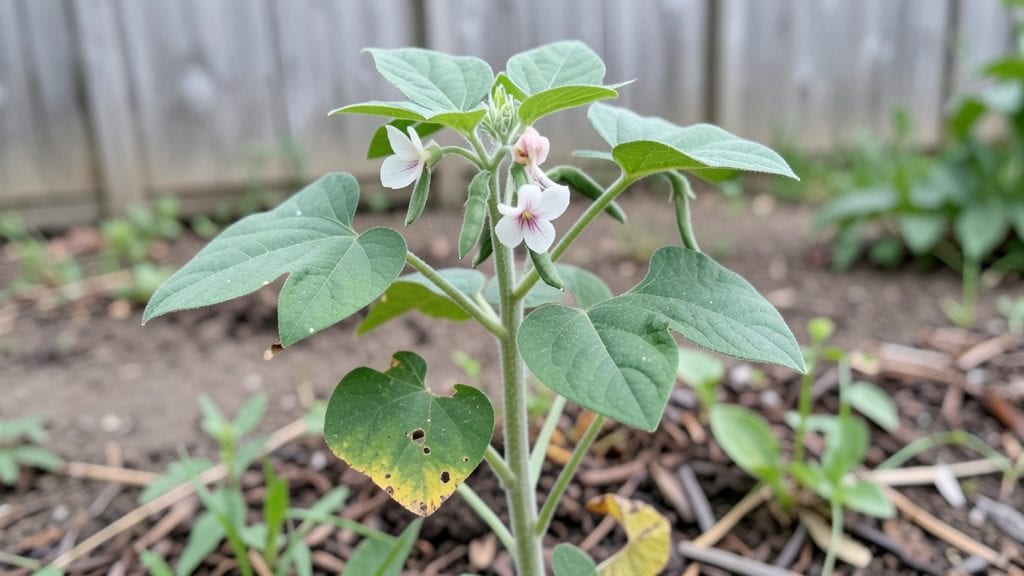
Plant growing beans the right way guarantees those first crisp pods in just 45-55 days—no waiting months for payoff. 🌱 I planted my first batch of bush beans last spring, and within six weeks, I was snapping pods straight off the vine.
The secret isn’t fancy soil or special tools—it’s choosing the right varieties and giving them consistent warmth.
Start with seeds from fast varieties like 'Blue Lake' or 'Provider'—they sprout in 5-7 days when soil stays above 60°F. Plant them 1 inch deep in loose, well-draining soil, and space rows 18-24 inches apart for bush beans.
Pole beans? Give them a trellis and stretch that spacing to 3-4 feet. The key is keeping soil moist but not soggy—beans hate wet feet.
By week 8, you’ll have tender pods ready to pick, and the plants will keep producing for weeks. The flavor? Nothing beats homegrown, crisp and sweet with just a hint of earthiness. Once you try this, store-bought beans will never taste the same.
Works in containers, raised beds, or straight in the ground—just make sure they get 6-8 hours of sun daily. Troubleshoot slow germination by soaking seeds overnight before planting, and watch for Japanese beetles early in the season. Ready to grow your own?
📚 In This Guide
- What you need
- Instructions
- Tips and common mistakes
- Wrapping up and next steps
What you need
- ● Bean Seeds: Fast-germinating varieties like Blue Lake Bush, Contender, or Scarlet Runner (choose 10–20 seeds per plant, depending on space).
- ● Containers or Garden Bed: For containers: 5–10 gallon pots (1 per plant) with drainage holes.
- ● For in-ground planting: Well-draining soil, 4–6 inches deep, with a width of at least 18 inches between rows.
- ● High-Quality Potting Soil or Garden Soil: 5–10 lbs (2.3–4.5 kg) enriched with compost (20–30% compost mix).
- ● Watering Can or Hose: With a gentle spray nozzle for even moisture.
- ○ Fertilizer (Optional but Recommended): Balanced, organic fertilizer (e.g., 10-10-10) or compost tea for nutrient boost.
- ● Apply at planting and again when flowers appear.
- ● Garden Gloves: To protect hands while handling soil or seeds.
- ● Trowel or Small Shovel: For digging planting holes (2–3 inches deep).
- ● Plant Labels: To track varieties and planting dates.
- ● Trellis or Stakes (for pole beans): 5–6 foot tall stakes or a trellis for climbing varieties.
- ● Mulch: Straw or shredded leaves to retain soil moisture and suppress weeds.
- ○ Plant Spray (Optional): Neem oil or insecticidal soap for pest control.
- ● Sunlight: Full sun (6–8 hours daily) for optimal growth.
- ● Temperature: Plant after the last frost when soil is at least 60°F (15°C).
- ● Water Access: Consistent moisture (1–1.5 inches per week).
- ● Patience (but not too much!): Fast varieties sprout in 5–10 days and harvest in 45–60 days.
Step-by-step instructions for planting fast-germinating bean varieties
Here's how to get your beans sprouting in just days and ready to harvest in weeks.
🌱 Step 1: Prepare the Soil and Planting Site
Beans thrive in warm, well-draining soil with a pH between 6.0 and 7.0. Work the 3 gallons of compost into the top 6 inches of soil to loosen it and improve fertility. If your soil is heavy clay, mix in 1 gallon of perlite to help water drain properly. Beans also need full sun, so choose a spot that gets at least 6-8 hours of sunlight daily.
Here's the thing—beans don't like cold soil. Wait until the soil temperature reaches at least 60°F before planting. You can check this by pressing your hand into the soil; if it feels warm to the touch, it's ready. Avoid planting too early, even if the air is warm, because cold soil will slow germination and invite rot.
🌱 Step 2: Plant Seeds at the Right Depth and Spacing
For 4 plants, you’ll need about 20-25 seeds (since not all will sprout). Plant them 1 inch deep and 3-4 inches apart in rows 18 inches apart. Drop the seeds gently into the soil—don’t press them in too firmly, or they’ll struggle to push through. If you’re planting bush beans, you can space them a little closer (2-3 inches apart), but keep the row spacing the same.
I like to plant a few extra seeds just in case. Once the plants are established, you can thin them to the desired spacing. Water the soil lightly after planting to settle the seeds in place. Avoid soaking the soil, or the seeds might wash deeper than intended. You’ll see tiny sprouts in just 3-7 days—that’s the magic of fast-germinating varieties!
☀️ Step 3: Provide Consistent Water and Sunlight
Keep the soil evenly moist but not soggy after planting. Water 1 inch per week, either from rainfall or hand-watering. Let the top 1-2 inches of soil dry out slightly between waterings—this prevents the roots from sitting in water, which can cause rot. Mulch around the plants with 1-2 inches of straw to retain moisture and keep weeds at bay.
Beans need plenty of sunlight to grow strong and produce well. If you notice the plants leaning toward the sun or growing tall and leggy, they’re not getting enough light. In that case, move them to a sunnier spot or provide some afternoon shade in hot climates. You’ll know they’re happy when the leaves stay a vibrant green and the plants grow upright.
✂️ Step 4: Support and Harvest for Continuous Production
If you’re growing pole beans, set up 3-4 foot tall trellises or stakes near the plants as soon as they sprout. Gently tie the vines to the support with soft twine or cloth strips as they grow. This keeps the plants off the ground, improves air circulation, and makes harvesting easier. For bush beans, no support is needed—they’ll stay compact on their own.
Harvest begins when pods are 4-6 inches long and firm to the touch. Pick them regularly to encourage more production. You’ll get the best flavor and texture if you harvest in the morning when the pods are cool. Use a sharp pair of scissors or pruners to snip the stems cleanly. With fast varieties, you can expect your first harvest in just 4-6 weeks!
⏰ Step 5: Extend the Season with Successive Plantings
To keep enjoying fresh beans all season, plant 2-3 more sets of seeds every 2 weeks after the first planting. This staggered approach ensures a steady supply of pods. In cooler climates, you can even extend the season by planting a late crop in early summer for a fall harvest. Just make sure to protect young plants from frost with row covers or a cold frame.
Real talk: Beans are one of the easiest crops to grow, but they do need warmth to thrive. If you live in a short-season area, opt for early-maturing varieties like 'Blue Lake' or 'Contender' to maximize your harvest time. With these steps, you’ll be enjoying homegrown beans in no time—quick, fresh, and delicious!
Tips & tricks for perfect fast-germinating bean growth
Here's what I've learned from years of growing beans—these tricks will help you get those sprouts popping in record time.
Soil Temperature is Everything: That 60°F soil temperature isn't just a suggestion—it's the magic number for fast germination. I've planted too early when the soil was still cool, and those seeds took twice as long to sprout. Use a soil thermometer if you're unsure, or do the hand test: press your hand into the soil. If it feels warm like a summer day, you're ready. Cold soil slows everything down, and beans are especially sensitive to this.
Seed Placement Matters More Than You Think: When planting those 20-25 seeds for 4 plants, resist the urge to press them in firmly. Gently drop them into the 1-inch deep holes—think of it like tucking them in with a light blanket. Too much pressure can actually prevent the sprouts from pushing through the soil. I learned this the hard way after struggling with weak seedlings that took forever to emerge.
Watering Wisdom for Fast Growth: That 1 inch per week guideline is perfect, but timing matters just as much. Water in the morning so the soil has time to dry slightly before evening. Wet leaves at night invite fungal diseases, and we want those beans growing strong, not fighting off rot. Also, let that top 1-2 inches dry out between waterings—this prevents root rot while keeping the soil moist enough for quick germination.
Harvesting Hack for Continuous Production: Those 4-6 inch pods are sweetest when harvested in the morning, but here's a pro tip: check your plants every other day. The more frequently you pick, the more your plants will produce. I've seen some gardeners wait until pods are huge and tough—don't make that mistake! Regular harvesting keeps the plants focused on producing new pods instead of letting them go to seed.
Pro Tips for Plant Growing Beans
- Here's what I've learned from years of growing beans—these tricks will help you get those sprouts popping in record time.
- Soil Temperature is Everything: That 60°F soil temperature isn't just a suggestion—it's the magic number for fast germination.
- Seed Placement Matters More Than You Think: When planting those 20-25 seeds for 4 plants, resist the urge to press them in firmly.
Frequently asked questions
Got questions about growing fast-germinating beans? You’re not alone!
Here are answers to the most common queries to help you get started with confidence.
How long does it take for beans to germinate and sprout?
Most fast-germinating bean varieties—like Blue Lake Bush or Contender—sprout in 3 to 10 days under ideal conditions (warm soil, consistent moisture, and temps above 60°F/15°C). Check your seed packet for specifics, as some may sprout even faster!
When is the best time to plant beans for a quick harvest?
Plant beans after the last frost when soil is at least 60°F (15°C). For a fast harvest, opt for early spring or late summer plantings. In warmer climates, you can even grow them year-round with proper care. Pro tip: Use a soil thermometer to monitor warmth!
Can I grow beans in containers, or do they need a garden bed?
Beans thrive in containers 12+ inches deep with good drainage. Choose bush varieties (like Provider) for pots—they’re compact and perfect for balconies or patios. Just ensure they get 6+ hours of sunlight daily and support (like a trellis for pole beans).
Why aren’t my bean seeds sprouting, even after watering?
Common culprits include cold soil, dry seeds, or poor planting depth (bury seeds 1–2 inches deep). Test soil moisture with your finger—it should feel damp but not soggy. If seeds are old (<2 years), germination may fail. Try soaking them overnight in warm water before replanting.
How do I know when beans are ready to pick for the best flavor?
Harvest bush beans when pods are firm, plump, and 4–6 inches long, usually 50–60 days after planting. For pole beans, wait until pods are smooth and glossy. Pick regularly to encourage more production—overripe beans toughen up fast!
Wrapping up and next steps
Growing beans is a rewarding journey that delivers fresh, nutritious harvests in record time—especially with fast-germinating varieties like Blue Lake or Contender. Whether you’re a beginner or a seasoned gardener, these easy-to-grow plants thrive with minimal fuss, making them perfect for small spaces or quick wins.
Now that you’re armed with the right tips, why not start your own bean patch today? Grab your seeds, pick a sunny spot, and let nature do the rest—your first harvest could be just weeks away! 🌱✨
Next steps:
- Pick your favorite fast-germinating variety from the list above.
- Mark your calendar for planting (or start now if the weather’s right!).
- Share your progress with fellow gardeners—tag us @GreenThumbCommunity for support!