
Diseases
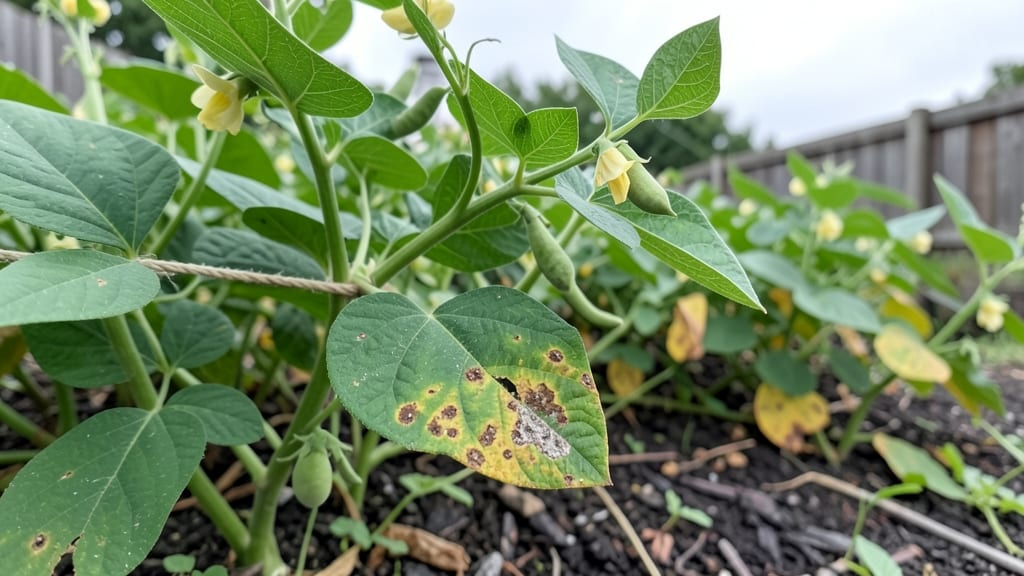
Green bean plant diseases can turn your harvest from abundant to almost nonexistent if you don't catch them early. I've lost entire rows to rust and powdery mildew before realizing how fast these fungal threats spread—especially in hot, humid summers.
The key isn't just spotting the symptoms (yellow spots, white dust, or black streaks) but understanding why they take hold in your garden.
Most fungal diseases thrive when beans get crowded, stay wet too long, or struggle with poor airflow. I learned the hard way that 3-inch spacing between plants and watering at the base (not overhead) makes all the difference.
Even with these fixes, you'll still need to act fast—once those telltale spots appear, prune infected leaves immediately and treat with a copper fungicide or baking soda spray.
What you'll gain is a defense plan that works before problems start. Healthy plants resist infections better, and with the right spacing and watering routine, you'll see fewer signs of trouble.
The payoff? Pods stay crisp, yields stay high, and you avoid the heartbreak of watching plants wither. Let's get your beans back on track.
This approach works for both bush and pole varieties, whether you're growing in rows or containers. The same principles apply whether you're in Zone 5 or Zone 9—just adjust for your local humidity levels. Here's how to keep your plants thriving all season long.
Root Causes Behind Fungal Foes
Green bean plants, like any other crop, are vulnerable to fungal diseases—but why do these pathogens strike with such precision? Understanding the root causes behind these fungal threats helps gardeners and farmers take proactive steps to protect their harvests.
Below, we break down the key factors that create the perfect storm for fungal infections in green beans.
Fungi thrive in moist, stagnant environments. When green bean plants grow too close together, airflow is restricted, trapping humidity near the foliage. This creates ideal conditions for spores to land, germinate, and spread.
- Why it happens: Dense plantings prevent evaporation, keeping leaves damp longer—fungi like Botrytis cinerea (gray mold) and Rhizoctonia solani (damping-off) exploit this.
- Actionable fix: Space plants 4–6 inches apart (or follow seed packet guidelines) and prune lower leaves to improve airflow.
- Pro tip: 💡 Avoid watering overhead in the evening—morning watering gives foliage time to dry.
Green beans need consistent moisture, but too much water—especially on leaves—turns their environment into a fungal buffet. Waterlogging also suffocates roots, weakening plants and making them susceptible to soil-borne pathogens like Pythium.
- Why it happens:
- Overwatering or poor drainage keeps soil saturated, encouraging Phytophthora (root rot).
- Frequent leaf wetness (from rain or sprinklers) allows spores to cling and infect.
- Actionable fix:
- Use drip irrigation or soaker hoses to keep foliage dry.
- Ensure raised beds or containers have drainage holes.
- Test soil moisture—stick your finger 1–2 inches deep; water only if dry.
- Pro tip: 🌡️ If your area gets heavy rain, mulch with straw to prevent soil splash onto leaves.
Fungi have optimal temperature ranges for growth—often between 60–80°F (15–27°C). High humidity (above 75%) without airflow turns these conditions into a fungal paradise. Some pathogens, like Alternaria, also thrive in hot, dry weather if plants are stressed.
- Why it happens:
- Greenhouse or tropical climates with high humidity + poor ventilation = fungal outbreaks.
- Sudden temperature swings (e.g., cool nights + hot days) weaken plants, making them vulnerable.
- Actionable fix:
- Use fans or shade cloth in greenhouses to reduce humidity.
- Plant in well-ventilated areas or use trellises to elevate plants off damp soil.
- Choose disease-resistant varieties (e.g., 'Blue Lake' or 'Contender') for your climate.
- Pro tip: ✨ Monitor local weather forecasts—fungi often spike after prolonged rain or heatwaves.
Healthy plants fight off fungi better. When green beans lack key nutrients (like nitrogen, phosphorus, or potassium), their defenses weaken, inviting infections like Anthracnose or White Mold.
- Why it happens:
- Overuse of synthetic fertilizers can disrupt soil microbes, reducing natural fungal suppression.
- Deficiencies in calcium or magnesium (common in acidic soils) lead to weak cell walls, making plants easier targets.
- Actionable fix:
- Test soil pH (aim for 6.0–7.0) and amend with lime or compost as needed.
- Use balanced organic fertilizers (e.g., 5-5-5) or compost tea to boost microbial activity.
- Avoid excessive nitrogen—it promotes lush foliage but weak stems (prone to breaking and fungal entry).
- Pro tip: 💪 Rotate crops annually to prevent nutrient depletion and break disease cycles.
Fungal spores persist in soil and plant residue for years. If you’ve grown beans in the same spot without rotation or sanitation, pathogens like Fusarium or Sclerotinia (white mold) can lie dormant until conditions are perfect.
- Why it happens:
- Old bean vines, leaves, or pods left in the soil release spores when tilled or watered.
- Contaminated compost or manure can introduce fungal spores.
- Actionable fix:
- Remove all plant debris at season’s end and compost it away from the garden.
- Solarize soil in late summer (cover with clear plastic for 4–6 weeks) to kill pathogens.
- Plant green beans in a different area of the garden each year (crop rotation).
- Pro tip: 🔥 If replanting in the same spot, treat soil with a copper fungicide (follow label rates) before planting.
By addressing these environmental triggers, you can dramatically reduce the risk of fungal diseases in your green bean patch. The key? Prevention through proper spacing, water management, and plant health.
Quick Fixes for Common Bean Ailments
Now that you’ve identified the problem, let’s tackle it head-on with practical, step-by-step solutions tailored to each fungal threat. Prevention is key, but when your green beans are already showing signs of distress, these fixes will help revive your plants—and keep future crops healthy!
Cause: Colletotrichum spores thrive in warm, humid conditions. Fix:
- 🔥 Remove Infected Leaves & Pods
- Snip off yellowing or spotted leaves/pods immediately to stop spore spread. Dispose of them in the trash (not compost!).
- 🍳 Apply Fungicide
- Spray plants with a copper-based fungicide (like copper sulfate or Bordeaux mixture) every 7–10 days for 2–3 weeks. Follow label instructions for dilution.
- Organic option: Use neem oil (1 tsp per quart of water + a drop of dish soap) as a preventative spray.
- 🌡️ Improve Airflow & Light
- Thin out dense foliage and space plants 12–18 inches apart to reduce humidity. Ensure 6+ hours of sunlight daily.
💡 Prevention Tip: Rotate crops—never plant beans in the same spot two years in a row. Solarize soil in winter (cover with clear plastic for 4–6 weeks) to kill lingering spores.
Cause: Uromyces appendiculatus spores spread via wind and water. Fix:
- 👨🍳 Prune Aggressively
- Cut back all rust-covered leaves (they’re spore-producing factories!). Burn or trash them—do not compost.
- 🥘 Use Systemic Fungicides
- Treat with myclobutanil or propiconazole (follow label rates). For organic gardens, baking soda spray (1 tbsp baking soda + 1 tsp oil + 1 gallon water) works as a preventative.
- ⏰ Adjust Watering Habits
- Water early in the morning (avoid overhead sprinklers). Keep soil moist but not soggy—rust loves damp leaves.
🔥 Pro Tip: Interplant beans with marigolds—their scent repels rust spores naturally!
Cause: Erysiphe polygoni thrives in shady, crowded conditions. Fix:
- 🔪 Scrub Off the Fungus
- Gently wipe mildew with a soapy cloth (mild dish soap + water). Avoid harsh sprays that damage leaves.
- 🌡️ Boost Circulation
- Stake plants or use trellises to open up the canopy. Remove lower leaves touching the soil.
- ✨ Fungal Sprays That Work
- Sulfur spray (early morning only—avoid temps above 90°F).
- Milk spray (1 part milk to 9 parts water—yes, it’s science-backed!).
- Potassium bicarbonate (2 tsp per gallon of water + a drop of soap).
🎯 Prevention Tip: Plant resistant varieties like ‘Blue Lake’ or ‘Contender’. Reflect sunlight with white mulch (like straw) to dry leaves faster.
Cause: Xanthomonas campestris spreads via contaminated tools, water, or insects. Fix:
- 🔪 Destroy Infected Plants
- Pull and burn blighted plants immediately. Do not compost them—this bacteria survives in soil for years.
- 🍳 Sterilize Everything
- Clean pruners with 70% isopropyl alcohol or a 10% bleach solution between cuts.
- Disinfect trellises and stakes with copper fungicide.
- 🌡️ Avoid Overhead Watering
- Use drip irrigation or water at the base. Never let leaves stay wet.
💡 Prevention Tip: Rotate crops with non-legumes (like corn or brassicas) for 3+ years. Test soil pH—blight thrives at pH 6.5–7.5; aim for 5.8–6.2.
Cause: Phytophthora or Pythium in waterlogged soil. Fix:
- 🔥 Improve Drainage ASAP
- Dig a 6-inch trench around the base of the plant and fill it with gravel or coarse sand to redirect water.
- Raise beds with compost or straw if soil stays soggy.
- 🍳 Fungicide Soak
- Mix phosphite-based fungicide (like Amistar) into water and soak roots for 10 minutes before replanting.
- ⏰ Adjust Watering
- Let soil dry 1–2 inches deep between waterings. Use a moisture meter if possible.
🌡️ Pro Tip: Add perlite or vermiculite to planting holes to improve aeration. Avoid heavy mulches (like grass clippings) that trap moisture.
🎯 Universal Prevention Checklist (For All Diseases): - 🌱 Start with healthy seeds—buy from reputable sellers or save seeds from disease-free plants. - 🌡️ Monitor humidity—aim for 40–60% in the growing area.
Use a fan on low speed for airflow. - 🔄 Rotate crops—never plant beans in the same spot yearly. - 🧼 Sterilize tools—bleach or alcohol between uses. - 🌿 Test soil—correct pH (6.0–7.0 for beans) and nutrient imbalances with a home test kit.
⚠️ Warning: If more than 50% of your plants are severely infected, quarantine the patch and consider replanting next season in a new location. Some fungal diseases (like bacterial blight) can persist in soil for years.
Frequently asked questions
What are the first signs of fungal infections in green beans?
Watch for yellow or brown spots on leaves, white powdery coatings (mildew), or rust-colored pustules. Early signs also include stunted growth or wilting, especially in crowded plants. Check the undersides of leaves—many fungi start there before spreading.
Can I save my green beans if they already have fungal diseases?
It depends on the severity! For mild cases, prune infected foliage immediately and apply fungicide (copper-based or neem oil). If over 50% of plants are affected, consider removing them entirely to prevent spread—some diseases (like bacterial blight) persist in soil for years.
How often should I spray fungicide on my green beans?
Start with a preventative spray every 7–10 days during humid weather. Once you see symptoms, increase to weekly applications for 2–3 weeks. Always spray in the early morning so leaves dry quickly—fungi thrive in damp conditions.
Are there organic ways to prevent fungal diseases in green beans?
Use baking soda spray (1 tbsp baking soda + 1 tsp oil + 1 gallon water), milk spray (1:9 milk-to-water ratio), or compost tea to boost plant immunity. Interplant with marigolds—their scent repels fungal spores naturally.
Why do my green beans get diseases even with proper care?
Fungal spores can linger in soil for years, especially if you’ve grown beans in the same spot. Rotate crops annually and solarize soil (cover with clear plastic for 4–6 weeks in summer) to kill dormant pathogens. Even resistant varieties can succumb if humidity stays high.