
Companion Plants
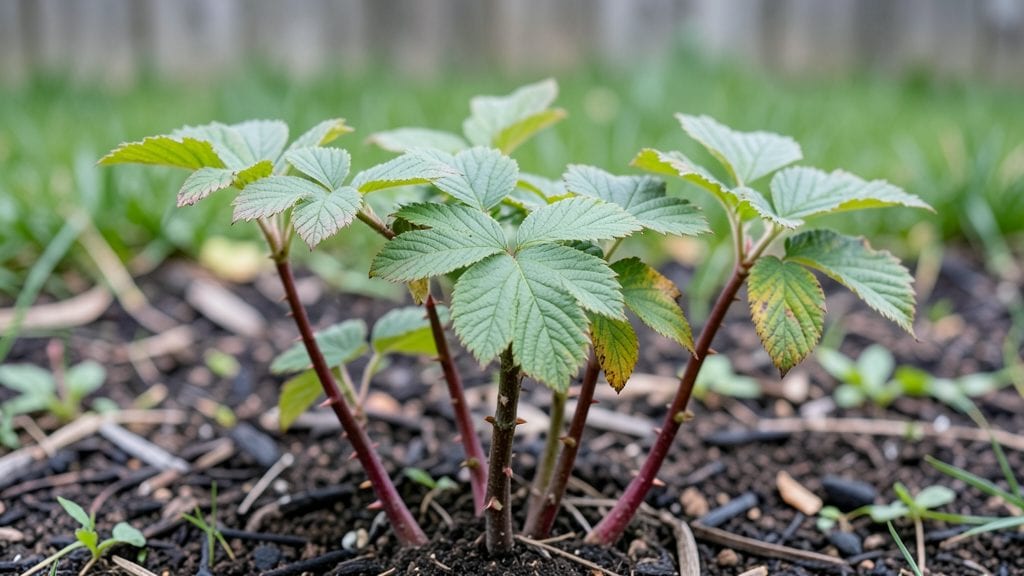
Planting early raspberry varieties means berries in just 60 days—no waiting until summer. 🌱 I’ve grown these fast-fruiting varieties for years, and the secret isn’t fancy tricks but timing, soil, and a little pruning patience.
The right early-bearing types (like Heritage or Anne) produce canes that fruit the first year, while most raspberries make you wait two seasons.
Your best bet starts with late winter planting in warmer zones (7-9) or early spring when soil hits 50°F in cooler areas. These plants thrive in full sun and well-draining soil—amend with compost before planting, and mulch heavily to keep roots cool.
Water deeply once a week unless rain does the work, and skip heavy pruning until harvest.
By mid-summer, you’ll be picking bright red, sweet berries that taste like summer came early. The canes produce fruit on second-year growth, so prune old canes after harvest to keep the cycle going. With the right variety and care, you’ll outpace neighbors still waiting for their first harvest.
Works in zones 4-10 with minor adjustments—just shift planting dates to avoid frost. The key is choosing the right early variety for your climate. Let’s get those canes in the ground!
📚 In This Guide
- What you need
- Instructions
- Tips and common mistakes
- Wrapping up and next steps
What you need
- ● Early raspberry plants: Choose primocane-fruiting varieties like Heritage, Autumn Bliss, or Carolina Gold (1-3 plants per gardener).
- ● Well-draining soil: Mix in compost (5-10 gallons per plant) or aged manure for nutrients.
- ● Organic mulch: Straw or wood chips (2-3 inches thick) to retain moisture and suppress weeds.
- ● Balanced fertilizer: 10-10-10 or organic options like fish emulsion (follow package rates).
- ● Drip irrigation or soaker hose: For consistent watering (avoid overhead sprinklers).
- ● Garden trowel or shovel (for planting and pruning).
- ● Pruning shears (sterilized with rubbing alcohol).
- ● Gloves (to protect hands from thorns).
- ● Measuring tape (to space plants 2-3 feet apart).
- ○ Row cover or frost cloth (optional, for early-season protection).
- ● Full sun exposure (6+ hours daily).
- ● pH-balanced soil (ideal range: 5.5–6.5).
- ○ Support system (optional): Trellis or stakes (4–6 feet tall) for vertical growth.
Step-by-step instructions for planting early raspberry plants
Here's how to get your first berries in just 60 days with minimal effort.
🌱 Step 1: Choose the Right Location and Prepare the Soil
Select a spot with full sun exposure (6-8 hours daily). Early raspberries thrive where they get morning light and afternoon shade if your summers run hot. Avoid low-lying areas where cold air settles—you want good drainage to prevent root rot.
Loosen the soil to a depth of 12 inches using a garden fork. Mix in 2-3 inches of compost or well-rotted manure to enrich the soil without overwhelming the plants. Raspberries prefer slightly acidic soil (pH 5.5-6.5), so test your soil if possible. If it's too alkaline, add sulfur to adjust.
🪴 Step 2: Plant at the Correct Depth and Spacing
Dig holes 12-18 inches apart in a trench or row, deep enough to bury the roots completely but leave the crown (where stems meet roots) 1-2 inches above soil level. This prevents rot while allowing the plant to establish quickly. For 4 plants, space rows 5-6 feet apart to give them room to spread.
Place each plant gently into its hole, spreading the roots outward. Fill the hole with soil, pressing lightly to remove air pockets. Water deeply right after planting to settle the soil and encourage root contact. Mulch with 2-3 inches of straw or wood chips to retain moisture and suppress weeds—this is key for fast establishment.
☀️ Step 3: Water and Fertilize for Rapid Growth
Keep the soil consistently moist but not soggy for the first 2-3 weeks. Water deeply 2-3 times per week, aiming for 1 inch of water per week. You'll know you're doing it right when the soil feels damp 2 inches below the surface. Avoid overhead watering to prevent fungal diseases like botrytis.
Apply a balanced fertilizer (10-10-10) at half strength 2 weeks after planting. This gives your raspberries a gentle nutrient boost without overwhelming them. Repeat every 4-6 weeks during the growing season. Watch for new growth—thick, dark green leaves mean your plants are thriving.
✂️ Step 4: Minimal Pruning for Early Fruit
Skip heavy pruning this first season. Instead, focus on removing any dead or diseased canes as you spot them. Early raspberries produce fruit on second-year canes, so don’t prune back existing canes—you want them to establish and fruit quickly. Just keep the area tidy by trimming away any suckers growing from the base.
After harvest, cut out all the canes that bore fruit (they’ll be thinner and less vigorous). This encourages new, productive canes to grow for next season’s crop. The goal here is to let your plants focus their energy on fruiting, not regrowing. You’ll see berries forming in as little as 60 days if all conditions are right.
🍓 Step 5: Harvest and Maintain for Next Year
Pick berries when they're fully ripe—deep red and easily plucked. Harvest every 2-3 days to encourage more production. Early varieties ripen quickly, so stay on top of it! Use scissors or your fingers to avoid damaging the canes. Store berries in the fridge for up to 3 days or freeze them for later use.
In late fall, after the first frost, cut down all the canes to the ground. This clears out old growth and makes it easier to spot new canes in spring. Mulch heavily again for winter protection. Your plants will reward you with even bigger harvests next season if you keep up this simple routine.
Tips & tricks for perfect early raspberry planting
Want to beat the 60-day harvest promise? These pro tips will help you skip the common pitfalls and get your raspberries fruiting faster than ever.
Soil Prep Secret: Don't just loosen the soil—break up any clumps and create a loose, crumbly texture down to that full 12 inches. I like to run a garden fork through the soil in a crosshatch pattern to improve drainage. This helps roots spread quickly, which is critical for that fast 60-day growth. Think of it like giving your plants a head start on their marathon.
Planting Depth Trick: When positioning your plants, make sure that crown sits exactly 1-2 inches above soil level—no deeper, no shallower. I've learned this the hard way: burying it too deep causes rot, while too high leaves roots exposed. Use a ruler to check depth after planting. This small detail makes all the difference for establishing strong roots early.
Watering Strategy: Those first 2-3 weeks are make-or-break for root establishment. I set up a drip irrigation system on a timer for 10 minutes twice daily instead of relying on random watering. This keeps soil consistently moist at that 2-inch depth without waterlogging. You'll know you're doing it right when the soil feels like a damp sponge—not soggy, not dry.
Fertilizer Timing: That first application at 2 weeks after planting should be your most concentrated dose. I use a 10-10-10 fertilizer at half strength, but I actually mix it with a little molasses (1 tablespoon per gallon) for extra microbial activity. This gives your plants the boost they need to grow fast while preventing fertilizer burn that could slow them down.
Pro Tips for Early Raspberry Plants
- Want to beat the 60-day harvest promise?
- Soil Prep Secret: Don't just loosen the soil—break up any clumps and create a loose, crumbly texture down to that full 12 inches.
- Planting Depth Trick: When positioning your plants, make sure that crown sits exactly 1-2 inches above soil level—no deeper, no shallower.
Frequently asked questions
Got questions about growing early raspberry plants for a speedy harvest? You’re not alone! Here are answers to the most common queries to help you crush your garden goals.
How do I speed up growth for an early harvest?
Plant primocane-bearing varieties like ‘Heritage’ or ‘Autumn Britten’—they fruit on new growth and mature faster. Use black plastic mulch to warm the soil, and fertilize with a balanced 10-10-10 mix every 4-6 weeks. Prune aggressively in late winter to redirect energy to fruit production.
Can I plant raspberries in spring for a summer harvest?
Spring-planted everbearing varieties (like ‘Carolina Gold’) can produce a small harvest the first year if given ideal conditions. Start with bare-root plants in early spring (as soon as soil is workable) and keep them well-watered. Expect a full harvest by year 2, but you’ll get some berries sooner!
What’s the best companion plant for early raspberries?
Pair raspberries with comfrey (boosts soil nitrogen), borage (deters pests), or garlic/chives (repels raspberry beetles). Avoid planting near potatoes or tomatoes—they compete for nutrients. A 3-foot buffer with clover or strawberries also works well!
Why are my early raspberry leaves curling or spotted?
Curling leaves often signal raspberry cane borers or aphids, while spots may mean fungal disease (like leaf spot). For borers, prune infested canes and treat with neem oil. For fungal issues, space plants 2-3 feet apart, water at the base, and apply copper fungicide preventatively.
Will early raspberries produce fruit the first year?
Most floricane-bearing varieties (like ‘Boyne’) need 2 years to fruit, but primocane-fruiting types (e.g., ‘Heritage’) can yield small harvests in 60-90 days if planted early. Focus on healthy growth first—prune lightly in year 1 to encourage strong canes for bigger yields next season.
Wrapping up and next steps
Growing early raspberry plants is a rewarding way to enjoy fresh, juicy berries faster than traditional varieties—sometimes in just 60 days! With minimal pruning and the right companion plants, you’ll maximize yields while keeping pests at bay.
Whether you’re a seasoned gardener or a curious beginner, these tips make the process simple and efficient.
Now that you’re equipped with the know-how, roll up your sleeves and plant those berries! Start small if you’re new, then expand next season. Happy harvesting—your taste buds (and your garden) will thank you! 🍓✨