
Companion Plants
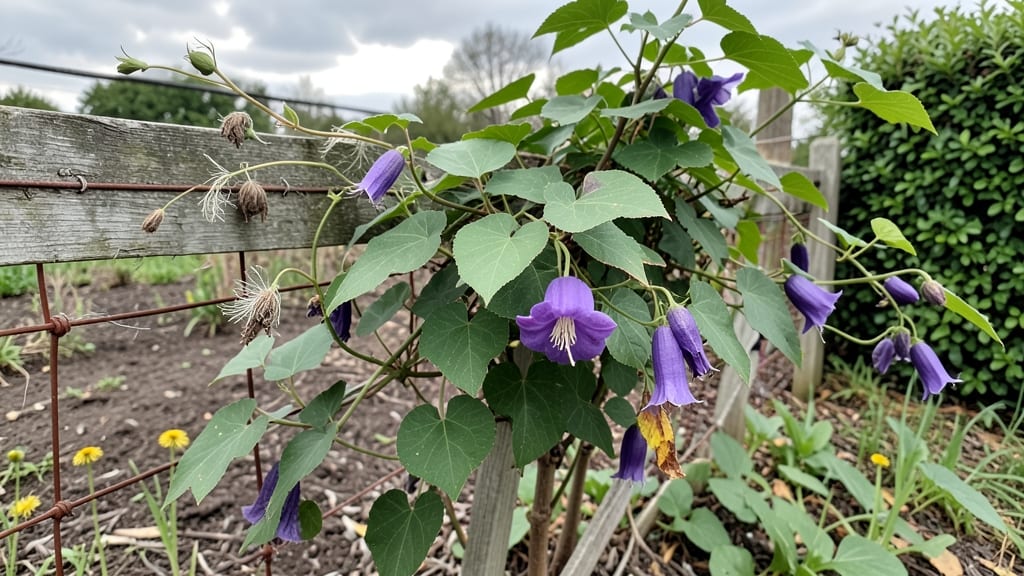
These flowery vine plants turn blank walls into living art galleries—imagine wisteria’s fragrant purple cascades or clematis’ velvety blooms clinging to a trellis like a painter’s masterpiece. 🌿 I’ve designed gardens where vines turn structural supports into focal points, and the right pairings make all the difference between a pretty plant and a showstopper.
Start with the structure: arbor, trellis, or obelisk—each shapes how vines grow and bloom. Wisteria needs sturdy supports to handle its weight, while morning glories thrive on lightweight frames.
Pair bold climbers like jasmine with delicate roses for texture contrast, or let deep purples and blues dominate a shady corner with clematis varieties.
The payoff? A garden that blooms vertically year-round, with fragrance, color, and movement that flat plantings can’t match. Your trellis becomes a seasonal canvas—spring’s jasmine, summer’s roses, and fall’s fiery vines. The key is matching vine habits to your space: sprawling types for fences, compact ones for containers.
Pro tip: Prune for shape, not just blooms—cut back leggy growth in early spring to encourage bushier displays. And don’t overlook companion plants: let sweet alyssum or ferns soften the base of your trellis for a polished look. The best designs feel effortless, like the vines grew that way naturally.
📚 In This Guide
- What you need
- Instructions
- Tips and common mistakes
- Wrapping up and next steps
What you need
- ● Flowery Vine Plants: Choose 3–5 varieties (e.g., Clematis, Morning Glory, Jasmine, or Passionflower). Opt for healthy, disease-free specimens with strong root systems.
- ● Trellis or Support Structure: Wooden lattice (4’x6’ or custom size) or metal/powder-coated trellis (ensure it’s weather-resistant).
- ● PVC pipes or bamboo stakes (for smaller vines, 6–8 ft tall).
- ● Potting Mix: 5–10 gallons of well-draining, organic potting soil (or a mix of garden soil + compost for in-ground planting).
- ● Containers (if potted): 1–3 large pots (12–18” diameter) with drainage holes, or fabric grow bags for flexibility.
- ● Basic Gardening Tools: Trowel or hand shovel
- ● Pruning shears (sterilized)
- ○ Garden gloves (optional but recommended)
- ● Fasteners & Extras: Soft plant ties or jute twine (to secure vines to trellis).
- ● Mulch (2–3 inches of shredded bark or straw to retain moisture).
- ● Slow-release fertilizer (e.g., 10-10-10 NPK, 1 tbsp per plant).
- ● Self-watering system or drip irrigation kit for low-maintenance care.
- ● Epsom salt (for magnesium-rich soil, especially for Clematis).
- ● Decorative lights or solar-powered clips (to highlight vines at night).
- ● Companion plants (e.g., Marigolds to deter pests or Ferns for shade).
How to cultivate flowery vine plants for stunning vertical gardens
Here’s how to transform any space with climbing vines that burst with color year-round.
🌱 Step 1: Choose the Right Vine Varieties for Your Climate
Select vines suited to your USDA hardiness zone—some thrive in heat (like morning glories), while others prefer cooler climates (like clematis). I always pick a mix of annuals (fast blooms) and perennials (long-term beauty). Annuals like sweet peas and nasturtiums give instant color, while clematis or jasmine return every year with minimal effort.
Check each vine’s mature height—some (like wisteria) need sturdy trellises, while others (like sweet peas) are happy on lightweight wire frames. Plant perennials in early spring after the last frost, and sow annual seeds indoors 6-8 weeks before your last frost date for a head start.
🪴 Step 2: Install Trellises and Train Vines for Strong Growth
Install trellises or obelisks before planting—vines hate being transplanted once they start climbing. I use powder-coated metal or cedar frames for durability. For heavy vines (like passionflower), space supports 3-4 feet apart to prevent sagging. Lightweight vines (like morning glories) can climb on simple wire mesh or even chain-link fences.
Train vines early by gently weaving stems through the trellis or tying them with soft plant ties. Avoid plastic ties—they cut into stems as vines thicken. Watch for tendrils (like on sweet peas) or leaf nodes (like on clematis)—these are where new growth attaches. The sooner you guide them, the stronger the structure becomes.
☀️ Step 3: Provide Sunlight and Water for Vibrant Blooms
Most flowering vines need 6-8 hours of direct sun daily for abundant blooms. Place trellises where they’ll get morning sun and afternoon shade in hot climates—this prevents leaf scorch. I’ve seen roses and clematis wilt under full afternoon sun, so adjust based on your plants’ needs.
Water deeply 2-3 times per week, soaking the root zone until water runs out the drainage holes. Let the top 1-2 inches of soil dry between waterings—overwatering suffocates roots. Mulch with 2-3 inches of organic mulch (like shredded bark) to retain moisture and keep roots cool.
✂️ Step 4: Prune for Continuous Blooms and Shape
Prune vines in early spring to remove dead or weak stems, then again after flowering to encourage new growth. For spring-blooming vines (like wisteria), prune right after they finish blooming—this ensures next year’s flowers form on new wood. Summer-bloomers (like clematis) benefit from a light trim after each flush of flowers to keep them compact.
Deadhead spent blooms regularly—this redirects energy to producing more flowers instead of seeds. Use sharp pruners and make cuts just above a leaf node or outward-facing bud. For aggressive vines (like honeysuckle), prune back one-third of the oldest stems annually to maintain control.
🌿 Step 5: Fertilize and Protect for Long-Term Beauty
Feed vines with a balanced 10-10-10 fertilizer in early spring, then switch to a bloom-boosting 5-10-10 formula when flowers appear. I avoid high-nitrogen fertilizers—they promote leafy growth at the expense of blooms. Water fertilizers in immediately to prevent root burn.
Protect vines from pests like aphids or Japanese beetles with neem oil or insecticidal soap. I also wrap young stems with mesh to deter slugs and snails. In winter, cut back perennials (except evergreen varieties) and cover the base with mulch to insulate roots from freezing temperatures.
Tips & tricks for perfect flowery vine gardens
Here's what I learned after years of growing vibrant climbing plants—these tricks make all the difference between a struggling vine and a showstopping vertical garden.
Climate Matching: Pay close attention to your USDA hardiness zone when selecting vines. I once planted heat-loving morning glories in my cooler climate zone and they barely survived. Check each vine's temperature preferences—some like clematis thrive in cooler areas while others like passionflower need warmth. The 6-8 hours of direct sun mentioned is a baseline, but adjust for your specific plants' needs—some varieties need more afternoon shade than others.
Trellis Training: Don't wait until vines are established to install trellises—plant them first, then build supports. I've made this mistake with wisteria, which became impossible to transplant once climbing. For heavy vines like passionflower, use 3-4 feet spacing between supports to prevent sagging. And here's a pro tip: use soft plant ties or even old fabric strips—they won't cut into stems as plastic ties do. Watch for those tendrils or leaf nodes where new growth attaches, and guide them early.
Watering Wisdom: The 2-3 times per week watering schedule works for most vines, but timing matters. Water in the morning so leaves have time to dry before evening—this prevents fungal issues. I always check the top 1-2 inches of soil between waterings—if it's dry, it's time. And that 2-3 inches of organic mulch isn't just for moisture—it also keeps roots cool during hot days and protects against winter freezes.
Pruning Precision: When pruning spring-bloomers like wisteria, cut right after flowering to encourage next year's blooms. For summer-bloomers like clematis, give them a light trim after each flower flush. And that one-third pruning for aggressive vines like honeysuckle? It keeps them manageable while still producing plenty of flowers. Always use sharp pruners and make clean cuts just above a leaf node or outward-facing bud—this encourages healthy new growth.
Pro Tips for Flowery Vine Plants
- Here's what I learned after years of growing vibrant climbing plants—these tricks make all the difference between a struggling vine and a showstopping vertical garden.
- Climate Matching: Pay close attention to your USDA hardiness zone when selecting vines.
- Trellis Training: Don't wait until vines are established to install trellises—plant them first, then build supports.
Frequently asked questions
Got questions about adding flowery vine plants to your trellis garden? You’re not alone! Here are some of the most common queries—and their practical answers—to help you grow with confidence.
What’s the best time of year to plant flowery vines?
For most flowery vines, spring (after the last frost) or early fall (4-6 weeks before frost) are ideal. This gives roots time to establish before extreme heat or cold. Perennials like clematis and honeysuckle thrive with this timing, while annuals (e.g., morning glories) can be sown directly in warm soil.
How do I keep my vines from taking over my garden?
Prune regularly to control growth—cut back leggy stems in early spring and after flowering. Use trellises or obelisks to guide vines vertically, and mulch around the base to suppress weeds. For aggressive vines (like ivy), opt for containers or root barriers.
Why aren’t my flowery vines blooming?
Blooming issues often stem from light, nutrients, or pruning mistakes. Most vines need 6+ hours of sunlight daily. Over-fertilizing with nitrogen (for leafy growth) can reduce flowers—use a balanced 10-10-10 or bloom-boosting fertilizer instead. Deadhead spent blooms to encourage more flowers!
Can I grow flowery vines in containers?
Choose compact varieties like jasmine, sweet peas, or dwarf morning glories. Use a well-draining potting mix and a container with drainage holes. Vines like cobaea or passionflower thrive in 5+ gallon pots with a trellis for support.
Are flowery vines prone to pests or diseases?
Common culprits include aphids, spider mites, and powdery mildew. Prevent issues with regular inspections and good airflow. Treat aphids with a soapy water spray; for mildew, use neem oil. Resistant varieties (like clematis ‘Jackmanii’) can reduce risks.
Wrapping up and next steps
Flowery vine plants bring year-round beauty, texture, and life to your trellis garden—whether you're a seasoned gardener or just starting out! 🌿 From fragrant jasmine to bold clematis, these climbing stars transform any space into a lush, vertical masterpiece.
The key? Choose wisely, support them well, and let nature do the rest.
Ready to elevate your garden? Start by selecting 1-2 vines that match your climate and style, then grab your supplies and dive in! Whether you’re training a trellis, creating a privacy screen, or simply adding color, your green thumb is about to shine brighter than ever.
Happy gardening—your walls (and bees!) will thank you. 🐝✨