
Pruning
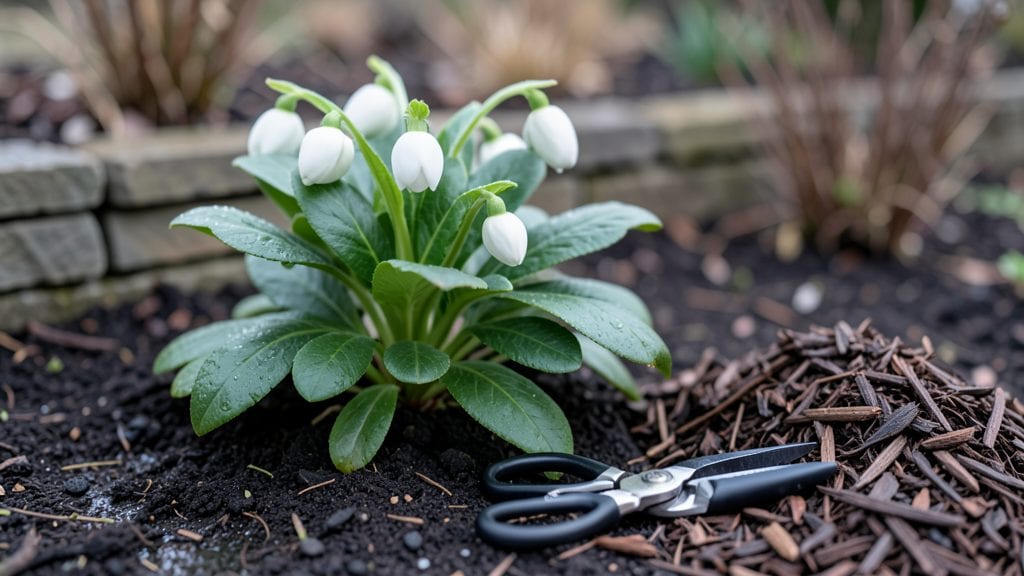
Pruning hellebore plants might seem intimidating, but it’s the secret to keeping those elegant winter blooms coming back stronger every year. 🌿 I’ve learned the hard way that skipping this step leads to leggy stems and fewer flowers—so I now prune with purpose, and my hellebores reward me with months of color.
The key isn’t cutting back aggressively but focusing on deadheading spent blooms and shaping the plant just enough to encourage fresh growth.
You’ll need sharp pruning shears, a pair of gloves (hellebores can be prickly), and a clear day to work—no soggy soil or rain in the forecast. Timing matters too: prune right after flowering in late spring or early summer, but never cut into old flower stems before they’ve finished blooming.
This evergreen plant stores energy in its roots, so gentle pruning keeps it thriving without stress.
What you’ll end up with is a hellebore bush that blooms reliably from late winter through spring, with lush, dark foliage year-round. The flowers stay cleaner, the stems stay sturdy, and you avoid that sad, overgrown look that happens when pruning is ignored.
It’s a small effort for big rewards—once you see the difference, you’ll never go back.
Works for all hellebore varieties, from classic hybrids to woodland natives, and adapts to shade gardens where few plants perform. Let’s get those shears ready—your hellebores will thank you.
📚 In This Guide
- What you need
- Instructions
- Tips and common mistakes
- Wrapping up and next steps
What you need
- ● Pruning shears or bypass pruners: Choose sharp, clean tools with bypass blades (avoid anvil pruners—they can crush stems). A 5-inch to 7-inch pair works best for hellebores.
- ● Garden gloves: A pair of nitrile-coated or leather gloves to protect your hands from thorns and dirt.
- ● Disinfectant (70% isopropyl alcohol or bleach solution): Clean tools before and after pruning to prevent disease spread (1 part bleach to 9 parts water).
- ● Compost bin or garden waste bag: For disposing of pruned stems and leaves.
- ● Watering can or hose with a gentle spray nozzle: To hydrate plants before and after pruning.
- ● Hand pruners (smaller, for delicate trimming): Useful for finicky cuts near the base.
- ● Mulch (shredded bark or straw): Apply a 1-2 inch layer after pruning to retain moisture and suppress weeds.
- ● Fertilizer (balanced 10-10-10 or slow-release granules): A light dose post-pruning can boost recovery (follow package instructions!).
- ● Plant marker or labels: If you’re reorganizing or dividing hellebores, mark new spots to avoid confusion.
- ● Knee pads or a small stool: For comfort—hellebores often grow close to the ground!
Step-by-Step guide to pruning hellebore plants
Here’s my foolproof method for keeping hellebores blooming beautifully year after year.
✂️ Step 1: Wait for the Right Time to Prune
Never prune hellebores in late summer or early fall—that’s when they’re storing energy for next year’s blooms. Instead, wait until late spring, after the first flush of flowers has faded but before new buds form. You’ll know it’s time when the foliage looks slightly tired but no new blooms are visible.
If you prune too early, you risk cutting off next year’s flower buds. If you wait too long, the plant may look messy by summer. I like to mark my calendar for mid-April to early May in most climates—just after the last frost but before the heat of summer.
✂️ Step 2: Remove Dead and Damaged Foliage
Start by inspecting each plant for leaves that are yellow, brown, or completely withered. Use clean, sharp pruners to snip these at the base, cutting just above the soil line. Hellebores are tough, but dead foliage can harbor pests or diseases, so removing it keeps the plant healthy.
Don’t worry if some leaves look ragged—they’ll often recover. Focus only on the truly dead or diseased parts. I also remove any flower stems that have already bloomed, cutting them back to the base. This redirects the plant’s energy toward new growth.
✂️ Step 3: Thin Out Overcrowded Stems
Hellebores multiply over time, and their stems can get congested. If you see multiple stems growing too close together, gently pull out or cut back the weakest ones. Aim to leave 3-5 of the strongest, healthiest stems per plant—this ensures better airflow and prevents disease.
Use your fingers to separate stems if they’re not too woody, or prune them at the base with clean shears. Avoid cutting into the crown (the center where leaves grow). If you accidentally damage the crown, the plant may take longer to recover.
✂️ Step 4: Lightly Trim for Shape (Optional)
Hellebores don’t need heavy pruning, but you can give them a light shape-up if they’ve grown too leggy. Trim back any stems that are too long or flopping by about one-third, cutting just above a leaf node (the bump where leaves attach). This encourages bushier growth.
Skip this step if your hellebores are already compact and healthy. Over-pruning can stress the plant, so only do this if it’s truly necessary. I usually hold off unless the stems are visibly out of control.
💧 Step 5: Water and Fertilize After Pruning
After pruning, give your hellebores a deep watering to help them recover. Water at the base (not the leaves) to avoid fungal issues. The soil should be moist but not soggy—hellebores hate wet feet.
Apply a balanced, slow-release fertilizer (like 10-10-10) in early spring to support new growth. I use about 1 tablespoon per plant, worked lightly into the top inch of soil. Avoid heavy fertilizers—they can encourage too much leafy growth at the expense of flowers.
Tips & tricks for perfect hellebore pruning
Real talk: Pruning hellebores might seem intimidating, but these tricks will help you avoid common mistakes and keep your plants thriving.
Timing is Everything: The mid-April to early May window in Step 1 is your sweet spot—this aligns with when hellebores naturally start redirecting energy. I've learned the hard way that pruning too early can cut off next year's blooms, while waiting too long lets the plant get too leggy. Mark your calendar or set a phone reminder to avoid missing this critical window.
Tool Prep Matters: Before you start, sterilize your pruners with rubbing alcohol to prevent spreading disease between plants. I also recommend using sharp pruners—dull blades crush stems instead of cleanly cutting them, which stresses the plant. For Step 2, clean pruners are especially important when removing diseased foliage to prevent cross-contamination.
Visual Cues for Pruning: When thinning stems in Step 3, look for stems that are thinner than a pencil or growing at odd angles. These are the weak ones to remove. The goal is to leave 3-5 strong stems per plant—think of it like giving each stem room to breathe. I often run my fingers along the base to feel for the strongest stems before making cuts.
Post-Pruning Care: After following Step 5, I've found that mulching around the base with 1-2 inches of organic mulch helps retain moisture and prevents weeds. This is especially helpful if your spring is particularly dry. Just avoid piling mulch directly against the stems to prevent rot.
Pro Tips for Pruning Hellebore Plants
- Real talk: Pruning hellebores might seem intimidating, but these tricks will help you avoid common mistakes and keep your plants thriving.
- Timing is Everything: The mid-April to early May window in Step 1 is your sweet spot—this aligns with when hellebores naturally start redirecting energy.
- Tool Prep Matters: Before you start, sterilize your pruners with rubbing alcohol to prevent spreading disease between plants.
Frequently asked questions
Got questions about keeping your hellebores happy and blooming? Here are some of the most common concerns—and their answers—to help you prune like a pro!
When is the best time to prune hellebores?
Prune hellebores after they bloom in late spring or early summer. This gives the plant time to set next year’s flower buds. Avoid cutting back in fall or winter, as this can remove emerging blooms or damage dormant growth.
Do I need to prune hellebores every year?
Not necessarily! If your hellebores look tidy and healthy, you can skip pruning. However, if they’re getting leggy, overcrowded, or have spent blooms, pruning helps encourage fresh growth and better blooms. Think of it as a "when in doubt, prune" rule.
What if I accidentally cut off next year’s flower buds?
Don’t panic! Hellebores are resilient. If you’ve pruned too aggressively, simply wait until next spring. The plant will still produce blooms, though they might be slightly fewer. Just avoid heavy cuts in the future—stick to removing only dead or damaged foliage.
Can I prune hellebores in fall or winter?
It’s best to avoid fall or winter pruning. Cutting back too early can expose the plant to cold damage or frost. If you must tidy up, wait until late winter (just before new growth appears) or stick to removing only dead leaves.
What if my hellebores aren’t blooming after pruning?
Lack of blooms could mean a few things: too much shade, over-pruning, or poor soil. Try moving your plant to a sunnier spot (but not scorching hot), fertilizing lightly in spring, and avoiding heavy cuts. Patience helps—helleborus often takes 1–2 years to rebound!
Wrapping up and next steps
Pruning hellebore plants is your secret weapon for vibrant, long-lasting blooms and a healthier garden! 🌸 By following the right timing and techniques—like cutting back after flowering or removing damaged foliage—you’ll keep these shade-loving beauties thriving year after year.
With just a little effort, your hellebores will reward you with stunning, low-maintenance color that brightens even the dullest corners of your yard.
Ready to put your new skills to the test? Grab your pruners and head to the garden—your hellebores are waiting for a fresh start! 🌿 For extra inspiration, explore seasonal care tips or design ideas to make the most of your blooming stars.