
Companion Plants
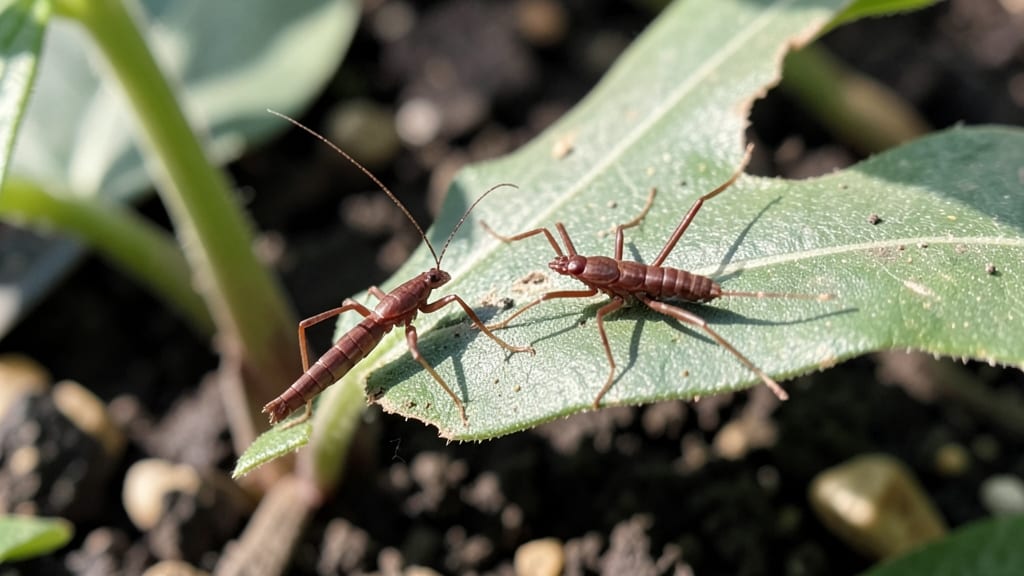
Earwigs on plants might seem like a small problem, but those tiny pincers can turn your garden into a chewed-up mess overnight. 🌿 I’ve battled them in my own yard—especially around my hostas and roses—and learned which natural deterrents actually work without harming your plants or the environment.
The key is understanding why they show up: earwigs love damp, sheltered spots where they can munch on tender leaves and flowers. Most store-bought sprays just mask the problem or kill beneficial insects.
Instead, I focus on creating an unwelcoming environment—think crushed eggshells, diatomaceous earth, and strategic planting choices that earwigs avoid.
You’ll see results fast with these methods: fewer holes in leaves, no more curled petals, and a garden that stays lush without harsh chemicals. The best part? These solutions work for vegetables, flowers, and shrubs alike, and they’re safe for kids and pets once fully implemented.
Whether you’re dealing with a sudden outbreak or just want to prevent future invasions, these tricks have saved my garden—and they can save yours too. Let’s tackle this the natural way.
What Draws Them In
Earwigs may seem like tiny, harmless pests, but their presence on your plants isn’t accidental—it’s a result of specific conditions and attractions. Understanding why these critters invade your garden or indoor plants is the first step to keeping them away.
Let’s break down the science behind their behavior and what makes your green friends their favorite hangout spots.
Earwigs thrive in damp, humid environments because their exoskeletons are highly sensitive to dehydration. If your plants are watered too frequently, mulched heavily with organic matter, or placed in shaded, low-airflow areas, you’re essentially rolling out the welcome mat for these pests.
- Why it happens: Earwigs need moisture to survive, and overwatered soil or dense foliage creates the perfect microclimate. They’ll seek out damp spots under leaves, in crevices, or near water sources like irrigation drips. - Actionable insight: Reduce overhead watering (especially in the evening) and ensure proper drainage.
If you’re using mulch, opt for a thin layer of inorganic materials like gravel or straw to limit moisture retention.
Earwigs are nocturnal creatures, meaning they’re most active after dark when temperatures drop and humidity peaks. They use this cover of darkness to hunt for food, mate, and avoid predators.
If you’ve noticed them on your plants during the day, they’re likely hiding in sheltered spots nearby and venturing out at night.
- Why it happens: Their nocturnal behavior is an evolutionary adaptation to avoid birds, lizards, and other daytime predators.
They’re also drawn to plants that offer both food and shelter, such as those with soft leaves or dense foliage. - Actionable insight: Inspect your plants at dusk or dawn when earwigs are most active. Look for them hiding under leaves, in flower buds, or along stems.
If you spot clusters, they’re likely using your plants as a buffet and a safehouse.
Earwigs aren’t picky eaters, but they have a soft spot (literally) for plants with delicate leaves, flowers, or fruits. They’ll chew on young seedlings, flower petals, and even the occasional leaf, leaving behind ragged edges or small holes.
Their favorite snacks include: - Vegetables: Lettuce, beans, peas, and corn - Flowers: Roses, dahlias, and marigolds - Fruits: Strawberries, tomatoes, and grapes
- Why it happens: Earwigs use their pincers to tear into plant tissue, making it easier to consume.
They’re particularly drawn to plants that are already stressed (from overwatering, poor soil, or disease), as these offer less resistance. - Actionable insight: Monitor young or stressed plants closely, especially in humid conditions. Strengthen plant health with balanced fertilization and proper spacing to reduce their appeal.
Earwigs don’t just want a meal—they’re also looking for a cozy hideout. They’ll nest in:
- Garden debris (leaves, bark, or wood chips)
- Under pots or mulch
- Between layers of bark or rocks
- Indoors (basements, bathrooms, or laundry rooms with moisture)
- Why it happens: Earwigs are social insects and often gather in groups for protection. They’re also attracted to dark, undisturbed areas where they can avoid predators and regulate humidity. - Actionable insight: Clear away garden debris, store pots upside down, and reduce hiding spots like thick mulch layers.
If you’re dealing with an indoor infestation, fix leaks and improve ventilation.
Ironically, some plants you’re growing to repel pests might actually be attracting earwigs. For example:
- Herbs like mint or basil (which repel some insects) can also provide shelter.
- Hostas or ferns (shady, moist-loving plants) create ideal earwig habitats.
- Why it happens: Earwigs don’t discriminate—they’re drawn to any plant that offers moisture, food, or shelter. Even "pest-repelling" plants can become unintentional earwig magnets if conditions are right. - Actionable insight: Space out companion plants and avoid overcrowding.
If you’re using herbs for pest control, place them strategically away from high-moisture areas.
Quick Fixes for Earwig Infestations
Earwigs may seem like a minor nuisance, but their presence can damage tender plant leaves, flowers, and even young seedlings. The good news? You don’t need harsh chemicals to keep them at bay.
Below are practical, natural solutions tailored to the most common causes of earwig invasions—so you can protect your garden without disrupting the ecosystem.
Earwigs thrive in damp, shaded areas. If your plants are overwatered or mulch is too thick, these pests will take advantage.
How to Fix It:
- 🍳 Reduce Watering: Water plants in the morning so foliage dries quickly. Avoid overhead sprinkling, especially in the evening.
- 👨🍳 Improve Drainage: Loosen compacted soil and add organic matter (like compost) to help excess moisture evaporate.
- 🥘 Thin Mulch Layers: Mulch is great for gardens, but too much creates a damp, earwig-friendly hideout. Keep it 2–3 inches thick and avoid piling it directly against plant stems.
💡 Pro Tip: Use gravel or coarse sand around the base of pots or garden beds to deter earwigs—they dislike dry, gritty surfaces.
If you’ve spotted them, don’t panic. A simple DIY trap can help you remove them without harming your plants.
How to Fix It:
- 🔪 Roll Up Newspaper: Place rolled newspapers or cardboard near infested areas. Earwigs will crawl inside—collect and release them far from your garden (at least 10+ feet away) in the early morning.
- ⏰ Use a Flashlight at Night: Earwigs are nocturnal. Shine a light on plants at dusk—they’ll scurry toward the light. Shake them into a bucket of soapy water (or relocate them).
- 🌡️ Set Up Beer Traps: Bury a shallow dish filled with beer near plants. The yeast attracts earwigs, and they drown. Replace every few days.
✨ Bonus: Place copper tape around raised beds or containers—earwigs dislike the metal’s electrical charge.
Some plants naturally repel earwigs by disrupting their scent trails or altering soil conditions.
How to Fix It: Plant these earwig-deterring companions near vulnerable crops:
- 🥗 Strong-Scented Herbs: Basil, mint, thyme, and rosemary confuse earwigs with their pungent aromas.
- 🍎 Allium Family: Chives, garlic, and onions release sulfur compounds that earwigs avoid.
- 🌻 Marigolds & Chrysanthemums: Their natural pyrethrins act as a mild repellent.
🎯 Strategic Placement: Surround host plants (like lettuce, roses, or strawberries) with these allies to create a protective ring.
If earwigs are already causing damage, a homemade spray can provide quick protection.
How to Fix It:
- 🍋 Citrus & Garlic Spray:
- Blend 2 garlic cloves + 1 tbsp citrus peel in 1 quart of water.
- Strain, add 1 tsp dish soap, and spray on leaves (especially undersides).
- Reapply every 5–7 days or after rain.
- 🌿 Neem Oil Solution:
- Mix 1 tbsp neem oil + 1 tsp mild soap in 1 quart of water.
- Spray in the early evening (avoid direct sun to prevent leaf burn).
- Works as a deterrent and growth inhibitor for earwigs.
⚠️ Safety Note: Always test sprays on a small leaf first—some plants (like citrus) may be sensitive.
The best defense? Stopping earwigs before they become a problem.
- 🌡️ Keep Gardens Tidy: Remove debris, fallen leaves, and weeds—earwigs hide in these spots. - 🌿 Prune Overgrown Plants: Thin dense foliage to improve airflow and reduce humidity. - 🌙 Install Light Traps (If Needed): Earwigs are attracted to porch lights.
Place a yellow bug light away from garden beds to lure them elsewhere. - 🐝 Encourage Predators: Birds, spiders, and ground beetles eat earwigs. Attract them with native plants, birdhouses, and log piles.
Final Thought: Earwigs are more of a temporary annoyance than a garden destroyer. With these targeted, chemical-free fixes, you can keep your plants thriving while maintaining a healthy, balanced ecosystem. 🌱
Frequently asked questions about earwigs on plants
Are earwigs harmful to my plants?
While they won't kill your plants, earwigs can cause noticeable damage by chewing on tender leaves, flowers, and young seedlings. They prefer soft plant tissue like lettuce, roses, and strawberries, leaving behind irregular holes or ragged edges. Their damage is usually cosmetic but can weaken plants if left unchecked.
Why do I see earwigs during the day?
Earwigs are primarily nocturnal, but you might spot them during the day if they're stressed by dry conditions or overcrowding. They'll seek shelter under leaves, mulch, or rocks during daylight hours. If you see them in the daytime, it's often a sign your garden has ideal earwig conditions—like too much moisture or hiding spots.
Will diatomaceous earth work on earwigs?
Yes! Food-grade diatomaceous earth is one of the most effective natural treatments. Sprinkle a thin layer around plant bases, flower beds, and along garden edges. The microscopic particles dehydrate earwigs by damaging their exoskeletons. Reapply after rain or watering, and avoid using it when plants are in bloom to protect pollinators.
Can earwigs live indoors?
Absolutely—they're common indoor pests, especially in damp areas like basements, bathrooms, and laundry rooms. They often enter through open windows or doorways. To prevent indoor infestations, fix leaks, improve ventilation, and keep these areas dry. Check houseplants regularly, as earwigs love hiding in soil and under leaves.
Are there any plants that attract earwigs?
Yes, earwigs are particularly drawn to plants that provide both food and shelter. Their favorites include hostas, ferns, lettuce, roses, and strawberries. Even some pest-repelling plants like mint and basil can attract earwigs if conditions are right. The key is to space plants properly, avoid overwatering, and create an environment that's less appealing to these pests.