
Plants
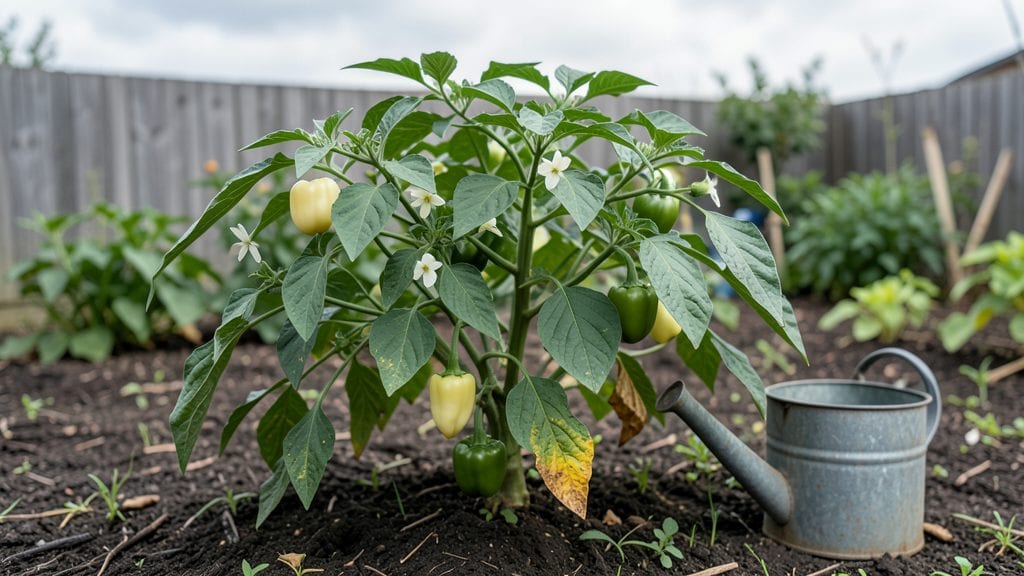
Even the most stubborn droopy pepper plants can bounce back with a little TLC—it’s not always a death sentence, just a call for action. 🌱 I’ve nursed back more than a few wilted vines by fixing just two things: water balance and light exposure.
The key is spotting the difference between thirsty roots and drowned ones, and knowing when to shade or sun them up.
Most droopy peppers are either begging for water or choking on too much. Check the soil: if it’s bone-dry two inches down, give them a deep drink. If it’s soggy, pull back and let it dry out before watering again.
Heat stress? Look for crispy leaf edges—those plants need afternoon shade until temps drop below 90°F. Pests or disease? Yellowing leaves or sticky residue means you’ve got work to do beyond just water.
Within days of adjusting water and light, your plants should perk up like they’ve been given a second chance. The real win? You’ll spot these signs early next time and keep your peppers standing tall all season. Let’s get those vines back in fighting shape—here’s exactly how.
This fix works for bell peppers, jalapeños, and even your prized heirlooms, whether you’re growing in containers or straight in the ground. The same rules apply whether you’re in Zone 5 or 10—just tweak the shade timing for your climate. Ready to bring them back?
Why it happens
When your pepper plants start looking droopy or wilted, it’s often a sign that something fundamental is off—usually related to their core needs. Understanding the root causes (pun intended!) helps you address the issue quickly before it’s too late.
Below are the most common reasons your pepper plants may be wilting, broken down into clear, actionable science-backed explanations.
💧 Overwatering Or Poor Drainage
Pepper plants are sensitive to soggy roots, and overwatering is one of the fastest ways to turn a thriving plant into a sad, droopy mess. Here’s why:
- Root suffocation: Excess water displaces oxygen in the soil, forcing roots to "drown." Without oxygen, roots can’t absorb nutrients or water efficiently, leading to wilting.
- Fungal infections: Wet soil creates the perfect breeding ground for Phytophthora and Pythium, fungi that rot roots and block water uptake.
- Nutrient lockout: Overwatered soil becomes compacted, preventing roots from accessing minerals like nitrogen and potassium, which are critical for turgor pressure (the plant’s internal "plumpness").
Pro tip: 🌡️ Stick your finger 1-2 inches into the soil—if it’s damp, wait before watering. Pepper plants prefer soil that’s dry to the touch at the surface but moist below. If your pots lack drainage holes, upgrade them immediately!
☀️ Underwatering Or Heat Stress
While overwatering gets most of the blame, underwatering (or high temperatures without enough moisture) is just as damaging. Here’s the science:
- Plasma membrane damage: When cells lose too much water, their membranes shrink and can’t maintain structure, causing leaves to wilt.
- Stomatal closure: Under stress, pepper plants close their stomata (tiny leaf pores) to conserve water, but this also stops photosynthesis, leading to energy deficits and wilting.
- Heat exhaustion: Temperatures above 90°F (32°C) increase transpiration (water loss) faster than roots can replenish it, causing rapid wilting.
Pro tip: 💡 If your plants wilt in the afternoon but perk up in the morning, they’re thirsty. Mulch with straw or bark to retain moisture, and water deeply in the morning to give roots a full day to absorb it.
🌱 Nutrient Deficiencies Or Imbalances
Pepper plants are heavy feeders, and a lack of key nutrients can weaken their cellular structure, leading to wilting. The most critical deficiencies include:
| Nutrient | Role in Plant Health | Wilting Symptoms |
|---|---|---|
| Nitrogen (N) | Builds proteins and chlorophyll for energy. | Yellowing leaves (chlorosis) and weak stems. |
| Potassium (K) | Regulates water balance and disease resistance. | Brown leaf edges ("scorch") and poor root development. |
| Calcium (Ca) | Strengthens cell walls to maintain turgor. | Blossom-end rot (on fruits) and mushy stems. |
| Magnesium (Mg) | Activates enzymes for photosynthesis. | Yellow patches between leaf veins. |
Pro tip: ✨ Use a balanced fertilizer (10-10-10 or 5-5-5) every 3-4 weeks during the growing season. For deficiencies, try Epsom salt (magnesium sulfate) or crushed eggshells (calcium) mixed into the soil.
🌡️ Extreme Temperature Swings
Pepper plants (especially hot varieties like Cayenne or Jalapeño) are tropical and struggle with sudden temperature drops or cold drafts. Here’s how it affects them:
- Cold shock: Temperatures below 50°F (10°C) slow down metabolic processes, causing cells to lose pressure and wilt.
- Frost damage: Ice crystals form in plant tissues, rupturing cells and leading to permanent wilting.
- Windburn: Strong winds increase transpiration faster than roots can compensate, dehydrating leaves.
Pro tip: 🔥 Move potted peppers to a sheltered spot during cold snaps or cover them with frost cloth. Avoid placing them near AC vents or drafty windows.
🦟 Pests Or Disease Pressure
Hidden pests and pathogens can sap your plant’s energy, causing wilting even if water and nutrients seem fine. Watch for:
- Aphids/spider mites: These sap-suckers inject toxins that disrupt water transport, leading to curling and wilting.
- Root-knot nematodes: Microscopic worms that gall roots, reducing their ability to absorb water.
- Viral infections (e.g., Tobacco Mosaic Virus): Weakens vascular tissue, causing stunted growth and wilting.
- Bacterial wilt (Ralstonia solanacearum): Clogs xylem vessels, preventing water movement (often fatal).
Pro tip: 🎯 Inspect leaves undersides and stems for pests. Treat with neem oil or insecticidal soap. For nematodes, solarize soil (cover with clear plastic for 4-6 weeks) or plant marigolds as a trap crop.
How to solve it
If your pepper plants are looking more like sad noodles than thriving vines, don’t panic—most droopiness is temporary and easily reversible! The key is identifying the root cause (literally or figuratively) and applying the right remedy.
Below, we’ve mapped out practical, step-by-step solutions for the most common culprits behind droopy pepper plants, plus pro tips to keep them perky long-term.
Signs: Yellowing leaves, mushy stems, soil that stays soggy for days, or plants wilting even after watering.
How to Fix It: 🔥 Stop Watering Immediately – Let the top 1–2 inches of soil dry out completely before watering again. Peppers hate "wet feet"! 🍳 Check Your Pots – If using containers, ensure they have drainage holes. No holes? Drill them or repot ASAP. 👨🍳 Improve Soil Aeration – Mix in perlite, sand, or coconut coir (20–30%) to loosen heavy soil. Avoid compacted dirt. 🥘 Repot if Necessary – If roots are rotting, trim any black/mushy roots, dust with cinnamon powder (natural antifungal), and repot in fresh, well-draining mix. ⏰ Watering Schedule Reset – Water deeply 2–3 times per week (adjust for climate) instead of daily shallow sips.
Prevention Tips: ✅ Use a moisture meter to track soil dampness—aim for 40–60% moisture, not soggy. ✅ Water at the base (not overhead) to reduce fungal risks. ✅ Group pots together to create a microclimate with more stable moisture.
Signs: Crispy leaf edges, wilting that worsens in the afternoon, or soil pulling away from pot sides.
How to Fix It: 💦 Give Them a Deep Drink – Water until it runs out the drainage holes (5–10 minutes per pot). Repeat every 2–3 days in hot weather. 🌡️ Mulch to Retain Moisture – Spread 2–3 inches of straw, wood chips, or shredded leaves around (but not touching) the stems. 🌿 Shade Cloth for Extreme Heat – If temps hit 90°F+ (32°C+), drape 30–50% shade cloth over plants for a few hours daily. 🍅 Prune Strategically – Trim lower leaves to improve airflow and reduce water loss through evaporation. 🎯 Morning Watering Wins – Water before 10 AM to let foliage dry by evening, preventing fungal issues.
Prevention Tips: 💡 Self-watering pots or drip irrigation automate consistency. 🔥 Group plants together to create a cooler, more humid microclimate. 🌡️ Monitor humidity—aim for 40–60% (a hygrometer helps).
Signs: Roots circling the pot’s bottom, slow growth despite good care, or wilting that doesn’t improve with water.
How to Fix It: 🔪 Check the Roots – Gently remove the plant and inspect. If roots are dense and circling, it’s time to upgrade! 🍳 Repot into a Larger Container – Choose a pot 2–4 inches wider (peppers hate being root-bound but also resent too much space—stick to 1–2 gallons max). 👨🍳 Refresh the Soil – Use a light, airy potting mix (60% peat/compost, 20% perlite, 20% worm castings). 🥘 Trim Damaged Roots – Snip any black, mushy, or overly tangled roots with sterilized scissors before repotting. ⏰ Hold Off on Fertilizer – Wait 1–2 weeks after repotting to let roots recover before feeding.
Prevention Tips: ✨ Repot annually in spring for container-grown peppers. ✅ Use fabric pots for better root oxygenation and easier transplanting. ✅ Avoid over-potting—peppers grow best in snug but not crowded spaces.
Signs: Sticky residue (aphids), chewed leaves (caterpillars), or wilting paired with yellow spots, mold, or holes.
How to Fix It: 🐜 Identify the Culprit – Check leaves/stems for:
- Aphids/spider mites → Sticky leaves, tiny webs.
- Whiteflies → Tiny white flies when disturbed.
- Fungal issues (e.g., powdery mildew) → White powdery coating.
🍳 Blast Off Pests –
- Soapy water spray (1 tsp mild soap + 1 quart water) for aphids/mites.
- Neem oil solution (1 tbsp neem oil + 1 quart water + drop of dish soap) for fungal pests.
👨🍳 Prune Infected Parts – Snip off yellowed or moldy leaves and dispose of them (don’t compost!). 🥘 Boost Plant Immunity – Feed with compost tea or fish emulsion to strengthen defenses. ⏰ Prevent Reinfestation – Quarantine new plants for 1–2 weeks before introducing them to your garden.
Prevention Tips: 💡 Rotate crops yearly to prevent soil-borne diseases. 🔥 Encourage beneficial insects (ladybugs, lacewings) with dill or marigolds nearby. 🌡️ Water in the morning to let foliage dry, reducing fungal spores.
Signs: Yellowing between leaf veins (iron/magnesium), purple stems (phosphorus), or weak, leggy growth (nitrogen).
How to Fix It: 📊 Test Your Soil – A simple DIY soil test kit (or send to a lab) reveals exact deficiencies. 🍳 Quick Fixes by Deficiency:
- Nitrogen (yellow leaves, slow growth) → Fish emulsion or blood meal (follow package rates).
- Potassium (weak stems, poor fruit) → Banana peel tea or greensand.
- Magnesium (yellow patches) → Epsom salt spray (1 tbsp per gallon of water, spray leaves).
👨🍳 Avoid Over-Fertilizing – Peppers prefer balanced fertilizer (10-10-10 or 5-5-5) every 4–6 weeks during growing season. 🥘 Compost Tea Boost – Brew 1 cup compost + 5 gallons water for a gentle, nutrient-rich feed.
Prevention Tips: ✨ Mulch with compost to slowly release nutrients. ✅ Rotate crops to prevent nutrient depletion in the same spot. ✅ Use slow-release granules for steady feeding.
Need a one-stop fix? Follow this 3-step rescue plan:
- Water deeply (if soil is dry) or withhold water (if soil is soggy).
- Trim dead/damaged leaves to redirect energy.
- Move to optimal conditions (morning sun, 6–8 hours daily, 70–85°F temps).
Pro Tip: 🌱 Patience is key! Droopy peppers often perk up within 24–48 hours of correct care. If they don’t, dig deeper—root rot or pests might need urgent attention. Happy reviving! 🌶️💚
Frequently asked questions about pepper plant wilting
Why do my pepper plants droop in the afternoon but look fine in the morning?
This classic pattern usually means your plants are thirsty and losing more water than their roots can absorb during hot afternoons. Pepper plants need consistent moisture—water deeply in the morning (before 10 AM) so roots have time to soak it up. If wilting persists, check for underwatering or heat stress (temps above 90°F). Mulching with straw can help retain soil moisture.
Can I save a pepper plant if its stems feel mushy when I squeeze them?
Mushy stems signal root rot, often from overwatering or poor drainage. Unfortunately, severe cases are usually irreversible, but you can try this: Remove the plant, trim any black/mushy roots, dust with cinnamon powder (natural antifungal), and repot in fresh, well-draining soil. If the stem is already hollow, it’s likely too late—but try saving a cutting for propagation!
How often should I water pepper plants to prevent drooping?
Peppers prefer deep but infrequent watering—aim for 1–1.5 inches per week (adjust for climate). Stick your finger 1–2 inches into soil: if dry, water until it drains from the bottom. In containers, water when the top 1 inch feels dry. Overwatering is worse than underwatering—always check for soggy soil before adding more water.
Will pruning help my droopy pepper plants recover?
Yes! Pruning stressed or yellowed leaves helps redirect energy to healthy growth. Focus on removing leaves touching wet soil (reduces disease) and any damaged foliage. Avoid over-pruning—never cut more than 20% of the plant at once. For severely wilted plants, trim just the lowest leaves to improve airflow and reduce water loss.
Can extreme heat cause pepper plants to wilt permanently?
Not permanently, but prolonged heat above 95°F (35°C) can cause irreversible damage if combined with drought stress. To protect plants: Provide afternoon shade (use shade cloth), water deeply in the morning, and mulch to keep roots cool. Varieties like Jalapeño or Cayenne tolerate heat better than Bell peppers—consider switching varieties if your climate frequently exceeds 100°F.