
Companion Plants
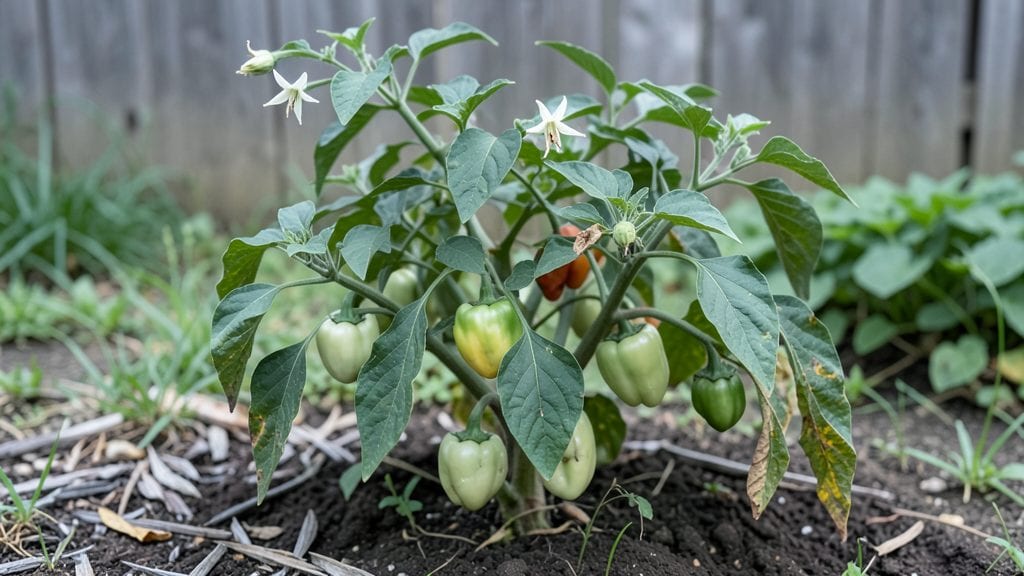
Drooping pepper plants mean your harvest is at risk—but here’s the good news: most cases are fixable with a few targeted tweaks. 🌱 I’ve nursed back more limp peppers than I’d like to admit, and the key is always the same: water, roots, and a quick pest check.
The moment you notice wilting, grab a trowel and a spray bottle—you’ve got this.
Overwatering or underwatering are the top culprits, but nutrient burn or spider mites can strike just as fast. I once lost a batch of jalapeños to overzealous watering—now I check soil moisture before reacting.
Peppers hate soggy roots but also dry spells, so aim for consistently damp (not soaked) soil. If the stems feel mushy, you’ve overdone it; if they’re brittle, they’re thirsty.
Start by giving the soil a gentle squeeze—it should feel like a damp sponge, not a swamp or a brick. Trim any yellowed leaves to redirect energy, and if pests are the issue, blast the undersides with water to knock off spider mites.
Within days, you’ll see perky leaves and new growth—proof your plants are on the mend.
For stubborn cases, dig into the roots to check for rot or damage. If the roots are brown and mushy, it’s time for a fresh pot and a break from watering for a few days.
Most peppers bounce back faster than you’d expect—just give them the right care, and they’ll reward you with bold, flavorful harvests all season.
Why it happens
When your pepper plants start looking more like wilting balloons than thriving producers, it’s usually a cry for help from the roots up—or the leaves down. Drooping in peppers is rarely a mystery; it’s almost always a sign of stress triggered by one (or more) of these common culprits.
Let’s break down the science behind why your plants are throwing a pity party and how to diagnose the issue like a pro.
💧 Overwatering or Poor Drainage
Pepper plants are drought-tolerant desert dwellers at heart, and they hate soggy feet. When soil stays waterlogged, roots suffocate from a lack of oxygen, leading to anaerobic conditions. This triggers two major problems:
- Root Rot: Fungal pathogens like Phytophthora or Pythium thrive in waterlogged soil, rotting roots and cutting off water/nutrient uptake. Look for dark, mushy roots or a foul smell—classic red flags.
- Nutrient Lockout: Excess water flushes essential nutrients (like nitrogen, potassium, and calcium) beyond the root zone, leaving your plants starving even if the soil looks moist.
Actionable Fix: Let the top 1–2 inches of soil dry out between waterings. If your pots lack drainage holes, add a layer of perlite or coarse sand to improve aeration. For garden beds, raise mounds or plant on slopes to encourage runoff.
☀️ Heat Stress or Sunburn
Peppers love warmth but not scorching conditions. When temperatures soar above 90°F (32°C), especially with intense sunlight, plants experience:
- Transpiration Overload: Leaves lose moisture faster than roots can replace it, causing wilting. Think of it like a plant sweating in a sauna.
- Photosynthesis Shutdown: High heat damages chlorophyll, reducing the plant’s ability to produce energy. You’ll see yellowing (chlorosis) or crispy leaf edges.
Actionable Fix:
- Provide afternoon shade (use shade cloth or dappled shade from trees).
- Mulch heavily with straw or wood chips to keep roots cool.
- Water deeply in the morning to boost hydration before the heat peaks.
🌱 Nutrient Deficiencies or Imbalances
Drooping can be a silent scream for nutrients, especially if the soil is depleted or imbalanced. Peppers are heavy feeders and need a balanced diet of:
| Nutrient | Deficiency Signs | Why It Causes Drooping |
|---|---|---|
| Nitrogen (N) | Yellowing lower leaves (older leaves first) | Reduces chlorophyll production, weakening the plant’s energy supply. |
| Potassium (K) | Brown edges on older leaves, weak stems | Impairs water regulation and stress resistance, leading to wilting. |
| Calcium (Ca) | Blossom-end rot (black, sunken spots on fruits) + stunted growth | Weakens cell structure, causing poor water uptake and structural collapse. |
| Magnesium (Mg) | Interveinal yellowing (between leaf veins) | Disrupts photosynthesis, reducing energy for turgor pressure (the “plumpness” in leaves). |
Actionable Fix: Test your soil (kits are cheap and easy) and amend with compost or a balanced fertilizer (like 10-10-10). For calcium, add crushed eggshells or gypsum. For magnesium, use Epsom salt (1 tbsp per gallon of water, applied as a foliar spray).
🌬️ Wind or Physical Stress
Peppers have delicate stems, and strong winds or rough handling can cause:
- Transpiration Spikes: Wind increases moisture loss by drying leaf surfaces faster than roots can compensate.
- Mechanical Damage: Bent stems disrupt the plant’s vascular system, blocking water flow to leaves.
Actionable Fix:
- Stake or cage plants to provide support.
- Use windbreaks (like burlap screens or tall grass) in exposed areas.
- Avoid touching plants unnecessarily—handle stems gently if pruning.
🐛 Pest or Disease Attack
Hidden pests or pathogens can silently drain your plants’ vitality. Common culprits include:
- Aphids/Spider Mites: Pierce leaves to suck sap, causing wilting and stunted growth.
- Root-Knot Nematodes: Microscopic worms that feed on roots, reducing water absorption.
- Bacterial Wilt (Ralstonia solanacearum): Blocks xylem vessels, preventing water transport (leaves wilt even when soil is moist).
Actionable Fix:
- Inspect leaves undersides and roots for pests. Spray with neem oil or insecticidal soap for soft-bodied bugs.
- For nematodes, solarize soil (cover with clear plastic for 4–6 weeks in hot weather) or plant trap crops like marigolds.
- If bacterial wilt is suspected, remove and destroy the plant immediately—it’s contagious.
🌿 Overcrowding or Root Bound
Peppers need space to breathe—literally. When roots are cramped (in pots or dense plantings), they compete for resources, leading to:
- Reduced Water Uptake: Roots can’t spread to access moisture deep in the soil.
- Competitive Stress: Neighboring plants steal nutrients, weakening your peppers.
Actionable Fix:
- Transplant root-bound peppers into larger containers (minimum 18” diameter for bush types).
- Space plants 18–24” apart in garden beds to improve airflow and root growth.
- Thin seedlings early to avoid future stress.
Revive Your Pepper Plants Fast
When your pepper plants start looking limp and sad, don’t panic—there’s always a way to bring them back to life! The key is identifying the root cause and taking action quickly.
Below, we’ve mapped out practical solutions for the most common reasons behind drooping pepper plants, along with prevention tips to keep them thriving.
Fix it: If your pepper plants are soggy at the roots, they’ll wilt faster than a forgotten salad. Here’s how to dry them out safely:
- 🔥 Stop Watering Immediately – Let the soil dry out completely before watering again. - 👨🍳 Repot if Needed – If the roots are rotting, transfer the plant to a pot with fresh, well-draining soil and drainage holes. - ⏰ Water Less Frequently – Pepper plants prefer slightly dry soil.
Stick your finger in the soil—if the top 1–2 inches are dry, it’s time to water.
Prevention Tip: 💡 Use a moisture meter or the "finger test" to check soil dampness before watering.
Fix it: Drooping can also mean your plants are thirsty or overheated. Here’s how to cool them down and hydrate properly:
- 🍳 Water Deeply – Soak the soil until water runs out the drainage holes, then let it drain completely.
- 🌡️ Provide Shade – Move potted plants to a shadier spot or use shade cloth if temperatures exceed 90°F (32°C).
- 🥗 Mist Leaves (Carefully!) – Lightly misting can help, but avoid doing this in hot sun to prevent leaf burn.
Prevention Tip: ✨ Mulch around the base to retain moisture and keep roots cool.
Fix it: Yellowing leaves or weak stems? Your peppers might be hungry—or overfed!
- 📊 Test Your Soil – A simple soil test kit can tell you if nutrients are lacking (like nitrogen, phosphorus, or potassium).
- 💪 Feed Lightly – Use a balanced fertilizer (like 10-10-10) at half-strength every 4–6 weeks.
- 🥗 Compost Tea Boost – Brew a batch of compost tea for a gentle, natural nutrient boost.
Prevention Tip: 🎯 Avoid fertilizing in extreme heat—plants burn easily when stressed.
Fix it: Bugs like aphids, spider mites, or fungal infections can drain your plants’ energy, causing droop.
- 🔪 Inspect Leaves & Stems – Look for chewed edges, sticky residue (honeydew), or white webbing.
- 🍎 Spray with Neem Oil – Mix 1 tsp neem oil + 1 tsp mild soap in 1 quart of water and spray affected areas.
- 🌿 Remove Infested Parts – Prune and dispose of heavily damaged leaves to stop the spread.
Prevention Tip: 💡 Encourage beneficial insects like ladybugs by planting marigolds nearby.
Fix it: If roots are circling or packed tightly, they can’t absorb water or nutrients efficiently.
- 🍳 Repot into Larger Containers – Choose a pot 2–3 inches wider than the current one.
- 🔪 Gently Loosen Roots – Before repotting, tease out tangled roots to encourage new growth.
- 🌱 Use Fresh Potting Mix – A high-quality, well-draining mix will give roots room to breathe.
Prevention Tip: ✨ Rotate pots occasionally to ensure even sunlight exposure and root development.
Fix it: Sudden cold snaps, drafts, or strong winds can shock pepper plants.
- 🏠 Move Indoors or Protect Outdoors – Use row covers, frost blankets, or a sheltered spot.
- 🌡️ Avoid Cold Drafts – Keep potted plants away from AC vents or open windows.
- 🌿 Stake Weak Plants – Wind can bend stems; use small stakes for support.
Prevention Tip: 💡 Harden off young plants gradually if moving them from indoors to outdoors.
No matter the cause, follow these steps to nurse your pepper plants back to health:
- 🔥 Check soil moisture – Is it too wet or too dry?
- 🌡️ Assess light & temperature – Are they in the right spot?
- 🐛 Scan for pests/disease – Act fast if you spot trouble.
- 💪 Prune dead growth – Encourage new, healthy shoots.
- 🥗 Feed lightly – Only if they’re recovering well.
With a little TLC, your pepper plants will perk up faster than you think—and you’ll be back to harvesting spicy, sweet, or tangy peppers in no time! 🌶️🔥
Frequently asked questions
Why do my pepper plants droop in the afternoon but perk up at night?
This classic pattern usually signals heat stress or underwatering. Peppers wilt during hot afternoons because they lose moisture faster than roots can replace it. Check soil moisture—if the top 1-2 inches are bone-dry, water deeply in the morning. For extreme heat (>90°F), provide afternoon shade with shade cloth or move pots to a cooler spot. Mulching with straw helps retain moisture too.
Can I save a pepper plant with mushy, black roots?
Mushy roots mean root rot from overwatering, and it’s often too late to save the plant—but try this emergency fix: Trim all black/mushy roots with clean scissors, repot in fresh, sterile potting mix with perlite (for drainage), and stop watering for 3-5 days. Place in bright, indirect light and monitor closely. If new green roots form, you’ve got a chance! If not, start fresh with healthy cuttings.
How often should I fertilize drooping pepper plants?
Hold off on fertilizer until your plants show signs of recovery—stressed plants can’t process nutrients well. Once they perk up, use a balanced fertilizer (10-10-10) at half-strength every 4-6 weeks. For a quick boost, mix 1 tablespoon Epsom salt in a gallon of water for magnesium (common deficiency). Avoid fertilizing in extreme heat—it burns roots when plants are already stressed.
Will pruning help drooping pepper plants recover?
Yes! Prune yellow or severely damaged leaves to redirect energy to healthy growth. Focus on removing leaves that touch the soil (prevents disease) and any stems with black spots or holes (pest damage). For bush varieties, trim back by 1/3 to encourage bushier growth. Just avoid heavy pruning during heatwaves—plants need all their energy to recover, not regrow.
Can I use hydrogen peroxide to revive drooping pepper plants?
Mix 1 tablespoon 3% hydrogen peroxide in 1 gallon of water and water your plants at the soil line. This oxygenates roots, kills fungal pathogens, and boosts nutrient uptake—ideal for root-bound or overwatered plants. Repeat every 3-5 days until you see improvement. For extra strength, add 1/2 teaspoon liquid seaweed fertilizer to the mix for a nutrient kick.