
Plants
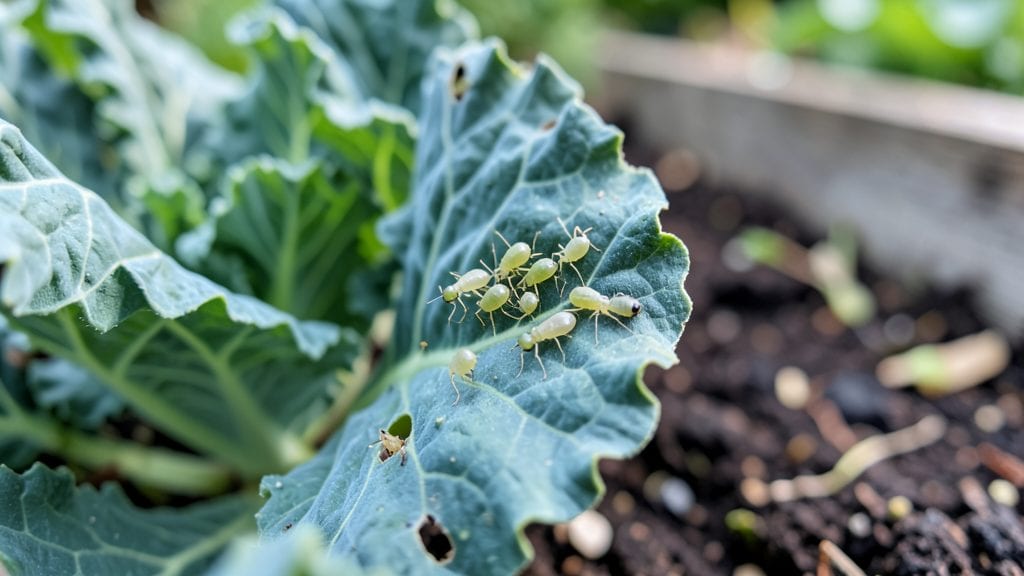
Bugs on kale plants can turn your crisp, vibrant greens into a skeleton of holes and sticky messes in no time. 🌱 I’ve watched my own kale go from lush and healthy to nearly destroyed by tiny invaders—until I learned these three simple steps that actually work.
The key isn’t just reacting to the damage but understanding why they’re there in the first place.
Most kale pests—cabbage worms, aphids, or flea beetles—show up because your plants are hungry, stressed, or just in the wrong place. Aphids cluster on new growth, chewing leaves into curled, sticky messes, while flea beetles leave tiny shot-like holes that multiply overnight.
The good news? You don’t need harsh chemicals to stop them. A little vigilance, the right tools, and a few natural tricks will keep your kale thriving.
By the end of this, you’ll know exactly how to spot the culprits early, use targeted remedies like neem oil or companion planting, and set up barriers that pests won’t cross.
Your kale will bounce back faster than you think—with fewer holes, more growth, and leaves that stay crisp and delicious. Let’s get those bugs under control for good.
This works for any kale variety, whether you’re growing in containers, raised beds, or straight in the ground. The same principles apply whether you’re dealing with a single plant or a whole patch. Here’s how to make it happen without stressing your plants—or your sanity.
Root Causes of Kale Invaders
Kale might be a garden superstar—packed with nutrients and resilient in cold weather—but it’s also a magnet for unwanted critters. Understanding why these pests target your leafy greens is the first step to reclaiming your harvest.
Below, we break down the science behind the chaos, so you can address the problem at its source.
Kale thrives in space, but when plants grow too close together, they create the perfect hiding spot for pests like aphids, cabbage worms, and flea beetles. Why? Dense foliage traps moisture, slows airflow, and stresses the plants, making them more vulnerable to attacks.
Weak or nutrient-deficient kale (often from poor soil or overwatering) also emits signals that attract pests—think of it as a distress call in the insect world.
💡 Actionable Fix:
- Space plants 12–18 inches apart for better airflow and sunlight penetration.
- Test soil pH (ideal: 6.0–7.0) and amend with compost or organic fertilizer to boost plant health.
- Avoid overwatering—soggy soil invites fungal diseases, which weaken plants and attract pests.
Kale is a member of the Brassica family, which includes cabbage, broccoli, and Brussels sprouts—all favorites of chewing and sucking insects. But why do they zero in on your garden? Several factors play a role:
1. Chemical Cues: Damaged or stressed kale releases volatile organic compounds (VOCs) that pests detect from miles away. For example, cabbage moths are drawn to the scent of crushed kale leaves.
2. Host Plant Preference: Many pests, like aphids and flea beetles, have evolved to target Brassicas specifically because they’re nutrient-rich and tender.
3. Seasonal Patterns: Cool-season pests (e.g., cabbage loopers) thrive in spring and fall, while warm-weather bugs (e.g., harlequin bugs) peak in summer.
💡 Actionable Fix:
- Rotate crops annually to disrupt pest life cycles (avoid planting Brassicas in the same spot every year).
- Use row covers early in the season to block adult pests from laying eggs on your plants.
- Plant repellent companions like dill, mint, or nasturtiums nearby to mask kale’s scent and deter insects.
Pests don’t just show up randomly—they’re often lured by specific environmental conditions. Kale gardens with these traits become bug buffets:
| Factor | How It Attracts Pests | Solution |
|---|---|---|
| High Humidity | Fungal diseases (like downy mildew) weaken plants, making them easier targets for aphids and slugs. | Improve drainage and space plants for airflow. |
| Dry, Hot Weather | Stresses plants, causing them to produce more sugars that attract sap-sucking bugs like whiteflies. | Mulch with straw to retain moisture and provide shade. |
| Organic Debris | Piles of old leaves or plant waste create shelter for overwintering pests (e.g., cabbage root maggots). | Keep the garden bed clean and tidy; remove debris promptly. |
💡 Actionable Fix:
- Monitor weather forecasts and take preemptive action (e.g., apply neem oil before a heatwave).
- Install birdhouses or bat boxes to encourage natural predators like ladybugs and lacewings.
- Water plants at the base (not overhead) to reduce humidity on leaves, which deters fungal pests.
By tackling these root causes, you’ll disrupt the cycle that turns your kale into an all-you-can-eat buffet for garden pests. The next step? Learn how to evict them for good.
Quick Fixes for Kale Pests
Now that you know what’s munching on your kale, it’s time to take action! The good news? Most of these pests can be managed with simple, garden-friendly solutions—no harsh chemicals required.
Below, we’ll map out cause-specific fixes, from quick fixes to long-term prevention, so your kale stays lush and pest-free.
Signs: Chewed leaves with frass (poop), holes, or "sawdust-like" droppings.
🔥 Immediate Action: Handpick & Drown
- 👨🍳 Step 1: Inspect leaves early in the morning (bugs are sluggish then).
- 🔪 Step 2: Pluck off worms by hand—drop them into soapy water (1 tbsp dish soap per gallon).
- ⏰ Frequency: Repeat daily for 3–5 days to break the life cycle.
🌿 Long-Term Defense: Natural Barriers
- 🥗 Row Covers: Use floating row covers (lightweight fabric) to block adult butterflies (their larvae become worms).
Secure edges with soil or bricks. - 🌱 Companion Planting: Interplant with dill, mint, or thyme—their strong scents repel cabbage moths. - 💡 Pro Tip: Bt (Bacillus thuringiensis)—a microbial spray—kills worms without harming bees. Reapply after rain.
Signs: Sticky residue ("honeydew"), curled leaves, or tiny green/black clusters.
🍳 Spray Solutions (No Chemicals!)
- 💦 Soap Spray: Mix 1 tbsp mild castile soap + 1 quart water in a spray bottle. Blast aphids directly (they’re soft-bodied).
- 🌡️ Hot Pepper Spray: Boil 1 chili pepper + 1 quart water, strain, and spray.
Reapply every 3–4 days. - 🐝 Beneficial Insects: Release ladybugs or lacewings (order online)—they love aphids!
🎯 Prevention: Knock ‘Em Off
- 💨 Water Forcefully: Use a hose on a strong setting to dislodge aphids from leaves.
- 🌿 Reflective Mulch: Cover soil with aluminum foil or white plastic—aphids hate shiny surfaces.
Signs: Tiny shotgun-like holes, yellowing leaves, or jumping black specks.
🔪 Physical Barriers
- 🥗 Collars: Wrap cardboard collars around stems (6 inches tall) to block adult beetles from laying eggs.
- 🌱 Floating Row Covers: Again, these work wonders—just remove to pollinate by hand if needed.
💡 Trap Crops & Traps
- 🥬 Sacrificial Plants: Plant radishes or turnips nearby—beetles prefer them over kale.
- 🕵️ Yellow Sticky Traps: Hang yellow cards coated in petroleum jelly to catch adults.
Signs: Irregular large holes, silvery slime trails, or missing leaf edges overnight.
🍳 Beer Trap (Yes, Really!)
- 🍺 Step 1: Bury a shallow dish (yogurt container works) in soil.
- 🍺 Step 2: Fill with beer—slugs crawl in and drown. Refresh every 2–3 days.
- ⏰ Best Time: Set traps at dusk (when they’re most active).
🌿 Natural Repellents
- 🌱 Copper Barriers: Place copper tape around beds—slugs get a mild shock.
- 🥗 Crushed Eggshells: Sprinkle around plants (the edges deter slugs).
- 💡 Pro Tip: Diatomaceous earth (food-grade)—sprinkle lightly on soil. It’s non-toxic but deadly to slugs.
Prevention starts with healthy kale.
Here’s how to keep it resilient: - 💧 Water Deeply: 1 inch per week—drought-stressed plants attract pests. - 🌿 Rotate Crops: Avoid planting kale in the same spot yearly (pests build up). - 🥗 Healthy Soil: Add compost before planting—strong roots = fewer pest problems. - 🌱 Succession Planting: Stagger plantings so not all kale matures at once (pests target weak spots).
🎯 Final Reminder: Most pests are easy to manage if caught early. Check your kale 2–3 times a week, and combine one immediate fix with one prevention tip for best results. Your future salads will thank you! 🥬✨
Frequently asked questions about kale pests
What are the most common bugs that attack kale plants?
Kale frequently battles cabbage worms, aphids, flea beetles, and slugs. Cabbage worms create ragged holes, while aphids leave sticky residue and curled leaves. Flea beetles make tiny shot-like holes, and slugs chew irregular edges at night.
How do I tell if my kale is being eaten by insects or mammals?
Look for clues: Insect damage (like holes or chew marks) is usually irregular and concentrated on leaves. Mammals (like rabbits or deer) typically leave clean, straight-edged bites and may target entire plants. Slugs leave silvery slime trails, while rabbits chew stems at the base.
Can I use neem oil on kale to prevent bugs?
Yes! Neem oil is excellent for preventing pests. Mix 1 teaspoon with 1 quart water and 1 teaspoon mild soap, then spray on leaves (avoid flowering plants to protect bees). Apply in the evening for best results, and reapply after rain.
Will companion planting really keep bugs away from my kale?
Planting dill, mint, or nasturtiums nearby confuses pests with competing scents. These companions mask kale’s natural attractants, making it harder for cabbage moths and aphids to find your plants. Just avoid planting them too close to kale.
How often should I check my kale for pests?
Inspect your kale 2-3 times per week, especially after rain or when new growth appears. Early detection is key—catching pests before they multiply saves your harvest. Focus on undersides of leaves where many bugs hide.