
Diseases
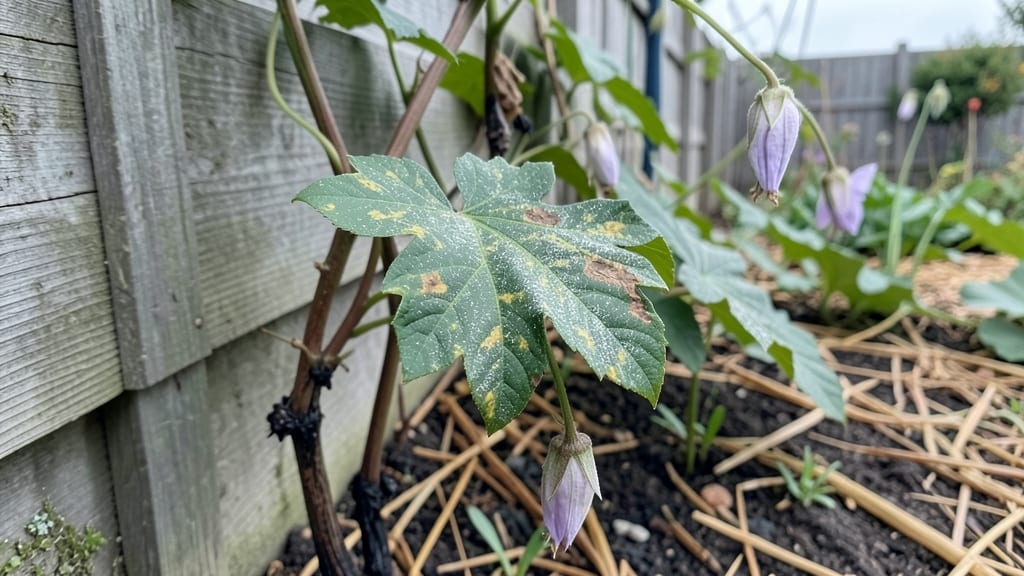
The diseases of clematis plants can turn your stunning vines into sad, spotted shadows if you don’t catch them early. I’ve seen powdery mildew turn vibrant blooms into ghostly white webs, and leaf spots turn glossy leaves into ragged paper—both in just a few weeks.
The good news? Most fungal problems have simple fixes once you know what to look for.
Powdery mildew, wilt, and leaf spot are the top three culprits, each with telltale signs like white dust, sudden wilting, or brown splotches. I’ve learned that prevention—like proper spacing, airflow, and watering at the base—cuts infections by half.
When problems pop up, organic sprays (neem oil, baking soda mix) work fast, but pruning diseased stems early stops the spread.
By the end of this, you’ll spot trouble before it spreads and treat it like a pro. Your clematis will bounce back with stronger growth and those showstopping blooms you planted for. Let’s get those vines thriving again—no more mystery illnesses.
Whether you’re dealing with a single leaf or a full vine under siege, these solutions work for every type of clematis. The key is acting fast, so don’t wait until the damage is done. Your plants will thank you with lush, disease-free vines all season long.
Root Causes Of Clematis Ailments
Clematis plants, with their stunning blooms and climbing elegance, can fall victim to a variety of diseases—often due to a mix of environmental stress, poor cultural practices, and biological invaders. Understanding the why behind these issues is the first step to prevention and treatment.
Below, we break down the most common culprits behind clematis diseases, from fungal infections to environmental triggers.
Fungi are the primary antagonists in clematis diseases, thriving in moist, warm conditions. These microscopic organisms latch onto weak spots—like damaged leaves, stems, or roots—and multiply rapidly. Here’s how they exploit your plants:
- Spores in the Air: Fungal spores, such as those from Peronospora (downy mildew) or Phoma (clematis wilt), float in the environment. When humidity exceeds 70% for prolonged periods, spores germinate and infect plant tissues. Pro Tip: 💡 Early morning dew is a fungal buffet—watering in the late afternoon (instead of evening) reduces overnight moisture buildup.
- Wound Entry Points: Pruning cuts, insect bites, or hail damage create open doors for fungi. Phytophthora (root rot) and Botrytis (gray mold) often invade through these wounds, especially if tools aren’t sterilized between cuts. Action Step: Always disinfect pruners with a 10% bleach solution (1 part bleach to 9 parts water).
- Overcrowded Canopies: Poor airflow between stems and leaves traps moisture, creating the perfect fungal greenhouse. Powdery mildew (Erysiphe) thrives here, forming white, powdery patches that block sunlight and weaken the plant. Fix: Prune to improve circulation and avoid planting clematis too densely.
🔍 Scientific Note: Fungi release enzymes that break down plant cell walls, leading to necrosis (dead tissue). Some, like Septoria, produce toxins that further stress the plant, making it more susceptible to secondary infections.
Clematis plants are resilient, but extreme or inconsistent conditions create stress, lowering their defenses and inviting diseases. Here’s how environment plays a role:
| Factor | How It Weakens Clematis | Diseases It Triggers |
|---|---|---|
| Excess Moisture | Soggy soil or overhead watering leads to root suffocation and fungal growth. Roots deprived of oxygen become prime targets for Phytophthora. | Root rot, stem cankers |
| Temperature Swings | Sudden cold snaps or heatwaves shock the plant, reducing chlorophyll production and weakening cell walls—ideal for Botrytis to latch on. | Gray mold, leaf spot |
| Poor Drainage | Waterlogged soil prevents roots from absorbing nutrients, making plants more vulnerable to Fusarium wilt. | Vascular wilts, root decay |
| High Humidity | Moisture lingers on foliage longer, extending the window for Peronospora spores to infect leaves. | Downy mildew, powdery mildew |
🌡️ Pro Tip: ✨ Clematis thrive in well-draining soil with morning sun and afternoon shade. If your climate is humid, mulch with gravel or bark (not organic mulch) to keep stems dry.
While pests like aphids, slugs, and spider mites don’t directly cause diseases, they weaken clematis by feeding on sap, creating entry points for fungi and bacteria. Here’s how they set the stage:
- Aphids: These sap-sucking insects excrete honeydew, a sticky residue that fosters sooty mold (Capnodium) and attracts ants. Sooty mold blocks sunlight, stunting growth and stressing the plant.
- Slugs/Snails: Their feeding leaves ragged holes in leaves and stems, providing perfect entry points for Botrytis to infect damaged tissue.
- Spider Mites: By puncturing leaves to feed, they create microscopic wounds where Septoria or Alternaria can take hold, especially in dry, hot conditions.
🛡️ Prevention Tip: 🎯 Use neem oil or insecticidal soap to control pests before they compromise your clematis’ defenses. Copper-based fungicides (like Bordeaux mixture) also deter pests while protecting against fungal spores.
Even the hardiest clematis can succumb to diseases when basic care is overlooked. Common gardening blunders include:
- Overhead Watering: Wet foliage for extended periods invites downy mildew and gray mold. Fix: Water at the base with drip irrigation or soaker hoses.
- Improper Pruning: Cutting too late in the season (after new growth appears) or using dull tools can stress the plant, making it susceptible to cankers.
- Ignoring Soil Health: Compacted or nutrient-poor soil weakens roots, reducing the plant’s ability to fend off Fusarium or Verticillium wilt.
- Planting Too Deep: Burying the crown (where stems meet roots) can cause stem rot. Rule: Plant so the crown is just above soil level.
📊 Data Point: Studies show clematis grown in sandy loam with pH 6.5–7.0 and 30–50% shade in summer have 40% fewer fungal infections than those in heavy clay or full sun.
Quick Fixes for Clematis Ailments
Reviving your clematis doesn’t have to be a guessing game—once you’ve identified the culprit, targeted action is key. Below, we’ve mapped out practical, step-by-step solutions for the most common fungal diseases, along with preventive habits to keep your vines thriving. Think of this as your clematis first-aid kit!
Cause: White, powdery fungus thrives in humid, shaded conditions. Fix:
- 🧼 Prune & Clean
- Remove heavily infected leaves (wear gloves!) and dispose of them in the trash (not compost).
- Trim back overcrowded foliage to improve airflow—aim for 6–12 inches of space between vines.
- 💦 Spray Fungicide
- Apply a sulfur-based or neem oil spray (1–2 tbsp per gallon of water) every 7–10 days until symptoms fade.
- For stubborn cases, switch to a fungicide like Myclobutanil (follow label rates).
- ☀️ Boost Sunlight
- Relocate your clematis to a sunnier spot (6+ hours of direct light daily) or install a drip irrigation system to keep leaves dry.
✨ Prevention Tip:
- Water at the base (never overhead) and avoid late-day watering (fungi love damp leaves at night).
- Space plants 3–4 feet apart to prevent humidity bucks.
Cause: Soil-borne fungus clogs vascular tissue, causing sudden wilting. Fix:
- 🔪 Radical Pruning
- Cut back all infected stems to the ground—this disease cannot be cured, only contained.
- Sterilize pruners with rubbing alcohol between cuts.
- 🌱 Soil Reset
- Replace top 6–12 inches of soil with a mix of sterilized potting soil + compost (avoid garden soil).
- Add mycorrhizal fungi (available at nurseries) to outcompete pathogens.
- 🚫 Quarantine the Plant
- Keep the clematis isolated from other plants for at least a year to monitor for recurrence.
💡 Pro Tip:
- Test your soil for Fusarium before replanting—some soils are chronically infected. If needed, move your clematis to a raised bed with fresh soil.
Cause: Dark spots with yellow halos spread via splashing water or infected tools. Fix:
- 🧹 Remove & Destroy
- Snip off spotted leaves and sterilize pruners with bleach (1 part bleach to 10 parts water).
- Do not compost infected foliage—bag and trash it.
- 🌿 Copper Fungicide Spray
- Use copper-based fungicide (like Bordeaux mixture) every 2 weeks during wet seasons.
- For organic gardens, baking soda spray (1 tbsp baking soda + 1 tsp oil + gallon of water) works as a preventative.
- 💧 Adjust Watering
- Water early in the morning (not at dusk) and avoid overhead sprinklers.
- Use mulch (2–3 inches of straw or wood chips) to reduce soil splatter onto leaves.
🎯 Prevention Tip:
- Rotate crops—don’t plant clematis in the same spot for 3+ years to break the disease cycle.
Cause: Waterlogged roots and stems lead to mushy, blackened tissue. Fix:
- 🚿 Improve Drainage
- Raise the plant by mounding soil or using a container with drainage holes.
- Amend soil with perlite or sand to loosen compacted areas.
- 🧴 Fungicidal Soil Drench
- Apply Phosphite-based fungicide (e.g., Amistar Top) directly to the soil around the base.
- Repeat every 4–6 weeks during rainy seasons.
- 🌿 Prune & Propagate Healthy Cuttings
- Cut back rotted stems and sterilize tools.
- Take healthy cuttings (6-inch sections with nodes) to propagate new, disease-free plants.
🌡️ Prevention Tip:
- Never let clematis sit in soggy soil—ensure pots or garden beds have exit holes for water.
- Avoid overhead watering and use soaker hoses instead.
Cause: Orange pustules on leaves weaken the plant and spread via wind. Fix:
- 🗑️ Remove Infected Foliage
- Pick off rusty leaves and burn them (do not compost).
- Prune severely affected stems to encourage new growth.
- 🍂 Fungicide Rotation
- Spray with copper fungicide (first treatment), then switch to neem oil (second treatment) 10 days later.
- For persistent cases, use propiconazole (follow label instructions).
- 🌿 Adjust Plant Placement
- Move clematis to a sunnier, drier location—rust thrives in shade and humidity.
- Space plants widely (4+ feet apart) to reduce windborne spores.
✨ Prevention Tip:
- Clean up fallen leaves in autumn—rust spores overwinter in debris.
- Avoid planting clematis near junipers (a common rust host).
💡 Universal Prevention Checklist (Do This Now!)
- Inspect plants weekly for early signs of disease.
- Sterilize tools between cuts with rubbing alcohol or bleach.
- Rotate planting locations every 3–4 years.
- Water at the base and avoid wetting foliage.
- Choose resistant varieties like ‘Jackmanii’ or ‘Niobe’ for tougher vines.
Frequently asked questions about clematis plant diseases
Why does my clematis suddenly wilt even when the soil feels moist?
Sudden wilting often signals clematis wilt (caused by Phoma or Fusarium), which clogs the plant’s vascular system. Unlike drought stress, wilting here happens within hours, and stems may develop dark streaks. This fungal disease thrives in poorly drained soil—check for soggy roots or waterlogged conditions. If caught early, prune infected stems immediately and replace contaminated soil with fresh, sterilized mix.
Can I save a clematis with powdery mildew if it’s already covered in white dust?
Yes, but act fast! Powdery mildew spreads quickly, but you can revive your clematis with these steps: First, prune heavily infected leaves and improve airflow by spacing vines 6–12 inches apart. Then spray with a neem oil solution (2 tbsp per gallon of water) every 7–10 days until new growth appears. Move the plant to a sunnier spot (6+ hours of light daily) to dry leaves faster. For severe cases, fungicides like Myclobutanil work within 1–2 weeks.
How do I tell if my clematis has leaf spot vs. rust disease?
Leaf spot shows as dark brown or black spots with yellow halos, often spreading from splashing water or infected tools. Rust, however, produces orange pustules on leaf undersides (like tiny blisters) and thrives in shade and humidity. Check both sides of leaves—rust’s pustules are a dead giveaway. Treat leaf spot with copper fungicide and rust with a rotation of copper and neem oil. Remove all infected foliage immediately to prevent spread.
Is it safe to compost clematis leaves with fungal diseases?
No, never compost infected leaves—fungal spores survive and can reinfect your garden. Bag diseased foliage in a sealed plastic bag and trash it (or burn it if local regulations allow). For root rot or wilt diseases, sterilize tools between cuts with bleach (1:10 ratio) to avoid cross-contamination. Always inspect new plants before adding them to your garden to prevent introducing pathogens.
Why do some clematis varieties get diseases more often than others?
Genetics play a huge role! Hybrid varieties like ‘Jackmanii’ or ‘Niobe’ are bred for disease resistance, while heirloom types (e.g., ‘The President’) are more susceptible. Other factors include growth habit—vines with dense foliage trap moisture, inviting mildew, while open-grown types stay drier. Always choose locally adapted varieties and avoid planting clematis in shady, damp spots where fungi thrive.