
Pruning
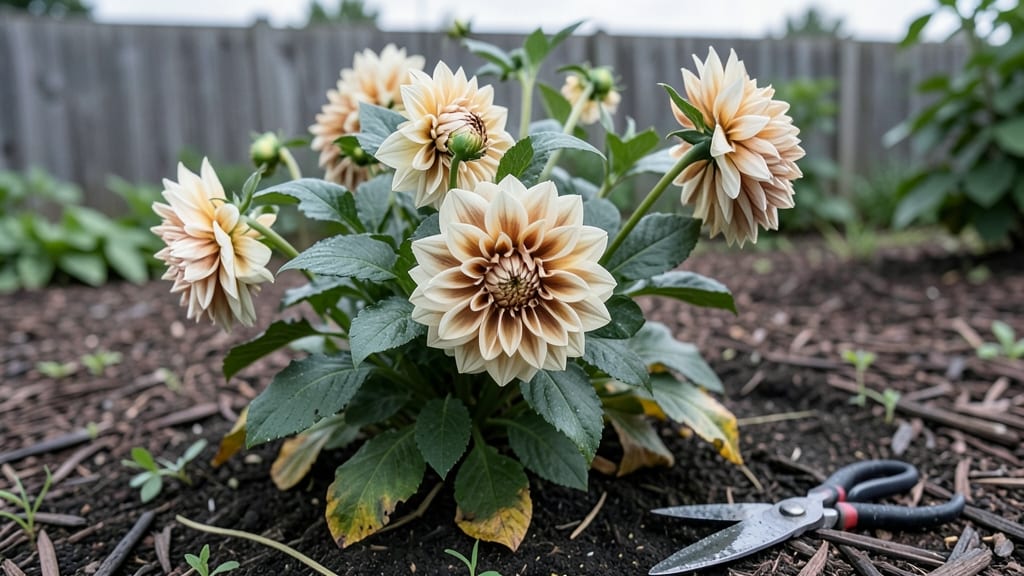
Deadheading plants in October isn't just about tidying up—it's the secret to stronger blooms next spring. 🌿 I learned this the hard way after my peonies and daylilies produced fewer flowers the following season. The right cuts now mean more energy stored for winter and fewer surprises when growth resumes.
You only need three basic tools: sharp pruners, gloves, and a small bucket for clippings. Focus on plants like coneflowers, black-eyed Susans, and late-blooming roses—these benefit most from October deadheading. The goal is to remove spent blooms while leaving foliage intact to feed the roots until frost.
You'll notice a cleaner garden bed and fewer pests hiding in dead flower heads. By late November, your perennials will be prepped for winter dormancy, with energy redirected to root growth instead of wasted on seed production. The results? More robust stems and bigger blooms come spring.
For frost-sensitive plants like impatiens or geraniums, wait until after the first hard freeze to cut back completely. Annuals can be removed entirely, while perennials just need a light trim. This small effort now saves you hours of cleanup next spring—and keeps your garden looking intentional through winter.
📚 In This Guide
- What you need
- Instructions
- Tips and common mistakes
- Wrapping up and next steps
What you need
- ● Pruning shears: Bypass pruners (for clean cuts on stems up to ½ inch thick). Opt for stainless steel blades to prevent rust. (1 pair)
- ● Hand pruners: Anvil-style for smaller stems or deadheading delicate blooms. (1 pair)
- ● Garden gloves: Nitrile-coated (for grip and protection against thorns). (1 pair)
- ● Disinfectant: Rubbing alcohol (70%+) or bleach solution (1 part bleach to 9 parts water) to sterilize tools between cuts. (Small bottle or spray)
- ● Garden waste bag: Compostable or sturdy plastic (10–20 gallon size) to collect spent blooms. (1–2 bags)
- ○ Sharpie or marker: For labeling (optional, if marking plants for future reference).
- ● Loppers: For thicker stems (if deadheading shrubs like roses or hydrangeas). (1 pair)
- ● Knee pad or stool: For comfort if working in beds or on the ground.
- ● Pruning saw: For woody stems (rare in October, but handy for stubborn cuts).
- ● Mulch: Shredded bark or straw to protect soil after deadheading.
Step-by-Step guide to deadheading plants in October
Here's how to extend your garden's beauty while preparing perennials for winter.
🌿 Step 1: Identify and Cut Back Finished Blooms
Start by scanning your garden for plants with spent blooms—those with brown, wilted flowers or seed pods. I always work from left to right, moving systematically so I don't miss any areas. Use clean, sharp pruners to make a clean cut just above the first set of healthy leaves or buds below the bloom. This ensures new growth can emerge from there next spring.
For plants like coneflowers or black-eyed Susans, look for the brown, papery seed heads—these are your cue to cut. Remove them entirely, but leave the lower foliage intact. This prevents the plant from wasting energy on seed production when it should be storing nutrients for winter. If you're unsure whether a bloom is truly spent, gently pinch it—if it crumbles easily, it's ready for removal.
✂️ Step 2: Thin Overcrowded Foliage for Airflow
October is the perfect time to improve airflow around your perennials by thinning out dense foliage. Focus on plants that look too bushy or have yellowing lower leaves—these are signs the center isn't getting enough light or air. Use your pruners to trim back about one-third of the oldest, most crowded stems, cutting them back to the base if they're completely brown or diseased.
I like to start with plants like hostas or asters, which can get leggy by late fall. Cutting back the oldest growth encourages fresh, vigorous shoots to emerge in spring. Avoid removing more than a third of the plant at once—this prevents shock and gives the roots time to adjust before winter. If you notice any blackened or mushy stems, trim those immediately to prevent rot from spreading.
🪴 Step 3: Prepare Perennials for Winter Dormancy
For hardy perennials like lavender, sedum, or Russian sage, the goal in October is to reduce but not eliminate all foliage. Cut back stems by about half their height, leaving enough leaves to protect the crown from freezing temperatures. This is especially important for plants in colder climates, where leaving too much foliage can trap moisture and cause rot.
I always check the plant label or my garden notes to confirm hardiness zones before cutting. For example, lavender in Zone 5 might need a light trim back to 4-6 inches, while sedum can be cut back more aggressively. Avoid heavy pruning of tender perennials like salvia or penstemon—they need their foliage to insulate the roots over winter. If you're unsure, err on the side of leaving more foliage rather than too little.
⏰ Step 4: Clean Up and Mulch for Winter Protection
After deadheading, gather all the spent blooms and foliage you've trimmed. Instead of tossing them in the compost, I like to shred them slightly and spread them around the base of perennials as a light mulch. This adds a layer of insulation while breaking down over winter. For a thicker layer, apply 2-3 inches of shredded leaves or straw around the base of plants, keeping it 2-3 inches away from the stems to prevent rot.
This final step is crucial for protecting roots from freezing and thawing cycles. I also take this opportunity to remove any weeds that might compete with perennials for nutrients in spring. If you notice any mold or fungal growth on the soil surface, rake it away before mulching to keep the garden healthy. By late October, your garden should look tidy but not bare—just enough foliage to shield the crowns while allowing airflow.
Tips & tricks for perfect fall deadheading
These simple strategies will help you extend your garden's beauty while preparing perennials for a healthy winter.
The Timing Secret: October is ideal because it gives plants enough time to harden off before freezing temperatures. If you're in a warmer climate (Zone 8+), you can extend deadheading into early November, but stop by mid-October in colder zones (Zone 5 or below). This timing prevents new growth from being damaged by early frosts, which can weaken plants for spring. I learned this the hard way after seeing tender new shoots freeze in my Zone 5 garden last year.
Tool Technique: Always use clean, sharp pruners—dull blades can crush stems and create entry points for disease. I sterilize my pruners between plants using rubbing alcohol on a cloth, especially when moving from diseased to healthy plants. For delicate stems like those on salvia, I use small bypass pruners to avoid tearing the foliage. This precision makes all the difference in keeping plants healthy through winter.
Visual Cues for Cutting: In Step 1, look for the "dead flower test"—if a bloom crumbles easily when you gently pinch it, it's ready for removal. For Step 3 with hardy perennials, aim to leave foliage that's about the height of your hand when palms are up (roughly 6-8 inches). This provides just enough protection without trapping moisture. I keep a small notebook nearby to jot down which plants need light vs. aggressive trimming each year.
Mulching Strategy: When applying that 2-3 inch layer of mulch in Step 4, create a donut shape—leave 2-3 inches of bare soil around the stems. This prevents rot while still insulating roots. I collect fallen leaves from my yard and shred them slightly with my lawnmower before spreading. This free mulch works perfectly and reduces waste. For tender perennials, I add an extra inch of mulch for added insulation.
Pro Tips for Deadheading Plants October
- These simple strategies will help you extend your garden's beauty while preparing perennials for a healthy winter.
- The Timing Secret: October is ideal because it gives plants enough time to harden off before freezing temperatures.
- Tool Technique: Always use clean, sharp pruners—dull blades can crush stems and create entry points for disease.
Frequently asked questions
Got questions about deadheading in October? You’re not alone!
Here are answers to the most common concerns—so you can tackle this task with confidence and keep your garden thriving.
Why is October a good time to deadhead plants?
October is ideal because it removes spent blooms before winter dormancy, redirecting energy to root growth. This helps perennials and shrubs store nutrients for spring. Plus, it prevents seed production, which can weaken some plants. Think of it as giving your garden a final energy boost before hibernation!
What if I miss October? Can I still deadhead later?
Yes, but timing matters! Deadhead annuals (like petunias) as long as they’re still blooming, but avoid cutting back perennials after frost—wait until early spring. For woody plants (e.g., roses), prune in late winter instead. Pro tip: Focus on removing dead or diseased growth now to protect next year’s blooms.
How do I know if I’m cutting too much?
Over-pruning can stress plants. For perennials, stop when you see healthy green growth—never cut into old wood or bare stems. For shrubs, avoid “heading back” (cutting into old growth) unless it’s a hedge or bush designed for it. Rule of thumb: If you’re unsure, snip just the dead flowers and leave the rest!
Are there plants I shouldn’t deadhead in October?
Skip deadheading for plants that rely on seed heads for winter interest (e.g., coneflowers, black-eyed Susans) or those that need to harden off, like peony or clematis. Also, avoid cutting back tender perennials (like canna lilies) until after frost. When in doubt: Research your plant’s specific needs!
What’s a good alternative if I don’t want to deadhead?
If deadheading feels tedious, try mulching spent blooms instead! Leave seed heads for wildlife (birds love them ) or use them in dried arrangements. For weeds or overgrown areas, sheet mulching (covering with cardboard + compost) suppresses regrowth naturally. Just avoid letting diseased foliage linger—remove it to prevent soil-borne issues.
Wrapping up and next steps
Deadheading your plants in October isn’t just about tidying up—it’s a powerful way to prep them for winter and boost next year’s blooms! 🌿 By focusing on three key cuts (removing spent flowers, thinning leggy growth, and pruning back woody stems), you’ll encourage healthier roots, reduce pests, and keep your garden looking polished.
Whether you’re a seasoned gardener or just starting out, these simple steps make a huge difference.
Ready to take your garden to the next level? Grab your pruners and review the tools you’ll need—then get out there and give your plants the care they deserve before winter sets in! 🌟