
Pruning
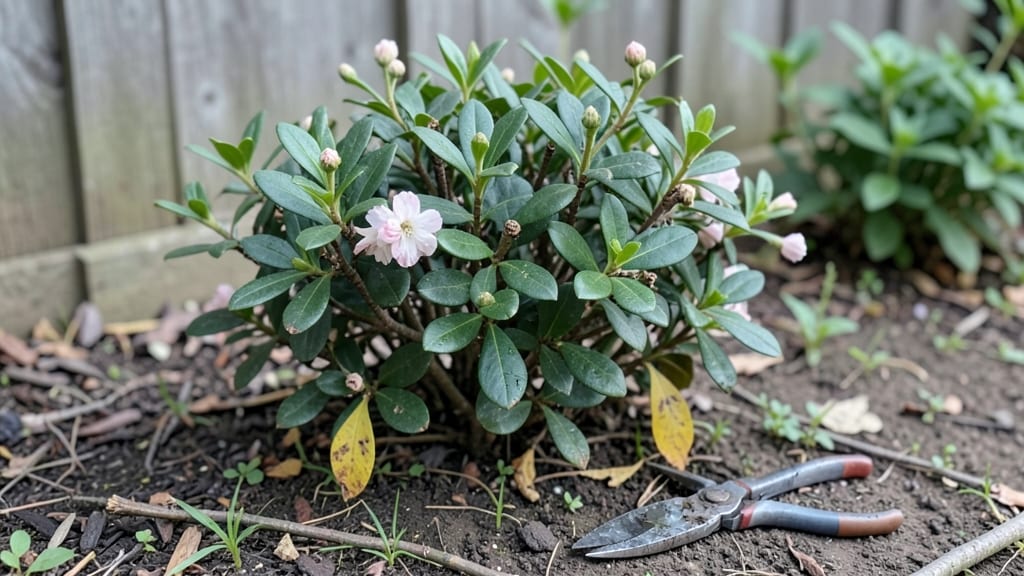
Pruning daphne plants the right way unlocks those intoxicating spring blooms year after year. 🌿 I’ve watched my daphne go from sparse, leggy branches to a lush, fragrant shrub simply by cutting back at the perfect moments—no more skipping seasons of flowers.
The key isn’t just when you prune, but how you shape the plant to encourage new growth where it matters most.
You’ll need just a few tools: sharp pruning shears for clean cuts, gloves to protect from sap, and a clear day to see the branches. Timing is everything—prune right after flowering in early spring, then do light shaping in late summer to prep for next year’s blooms.
Daphne responds best to precise cuts just above leaf nodes, never hacking back wildly.
After pruning, your daphne will reward you with fresh, vibrant foliage and even more blooms next season. The fragrance alone makes it worth the effort—imagine wafts of sweetness filling your garden in spring. Just avoid cutting into old wood, or you’ll lose future flowering potential.
This method works for all daphne varieties, from compact types to sprawling shrubs. With the right approach, your plant will stay vigorous and blooming for decades. Let’s get those shears ready!
📚 In This Guide
- What you need
- Instructions
- Tips and common mistakes
- Wrapping up and next steps
What you need
- ● Pruning shears – Bypass pruners (sharp, clean blades, 6-8" size) for clean cuts on stems up to ½ inch thick.
- ● Loppers – Bypass or anvil type (for thicker branches, 10-12" size).
- ● Hand pruners – For small stems (4-6" size, ergonomic grip for comfort).
- ● Garden gloves – Durable, cut-resistant (nitrile-coated for thorny or spiky daphne varieties).
- ● Disinfectant – 70% isopropyl alcohol or rubbing alcohol (to sterilize tools between cuts).
- ○ Pruning sealant – Optional but helpful (for large cuts to prevent disease; use a latex-based or tree wound dressing).
- ● Sharpie or marker – Permanent, fine-tip (to mark stems for removal if needed).
- ● Buckets or bags – 2-3 gallon capacity (for collecting pruned branches and debris).
- ● Weather check – Prune on a dry, overcast day or early morning to avoid stressing the plant.
- ● Timing alignment – Know your daphne’s blooming cycle (prune after flowering for most varieties).
- ● Safety gear – Sunglasses and long sleeves (if working near windows or in sunny conditions).
- ● Clean workspace – Lay down newspaper or a tarp under the plant to catch debris.
- ● Hydration & snacks – Water bottle and light snacks (pruning can take longer than expected!).
- ● Ladder or stool – If your daphne is tall or bushy (6+ feet).
- ● Extension pole pruners – For hard-to-reach branches (adjustable 2-6 foot range).
- ● Plant food or compost – Balanced fertilizer (10-10-10) to nourish the plant post-pruning.
- ● Camera or phone – To document before/after for future reference!
Step-by-step instructions for daphne plant pruning
Here's how to keep your daphne thriving with strategic cuts that encourage lush growth and stunning blooms.
✂️ Step 1: Prune After Spring Blooming
Wait until 2-3 weeks after flowering—this is the sweet spot for daphne. You'll know it's time when the flowers fade and new growth appears. Cut back the previous year's growth by about one-third to encourage fresh, vigorous shoots.
Use clean, sharp pruners to make cuts at a 45-degree angle just above a leaf node or bud. This angle helps water run off and prevents rot. Daphne responds beautifully to this pruning, so don't be shy—it's all about stimulating new growth for next year's blooms.
✂️ Step 2: Lightly Trim Dead or Weak Growth
Throughout the growing season, remove any dead, diseased, or crossing branches to keep your daphne looking tidy and healthy. Daphne has a natural arching habit, so avoid over-pruning—just tidy up what's necessary. You'll see where branches are struggling by their yellowing leaves or sparse foliage.
When trimming, focus on the outer edges of the plant to maintain its natural shape. Daphne doesn't like being sheared like a hedge, so keep cuts minimal and strategic. This light maintenance ensures air circulates well and prevents fungal issues.
🌿 Step 3: Prepare for Winter Dormancy
In late fall, after the leaves have dropped, give your daphne a light shaping trim to remove any remaining dead growth. Daphne is semi-evergreen, so you might see some leaves lingering—don't prune those off. Instead, focus on cleaning up the skeleton of the plant for winter.
This is also the time to apply a 2-3 inch layer of mulch around the base of the plant to protect the roots from freezing temperatures. Daphne thrives in cooler climates, but a little extra insulation goes a long way in harsh winters. Avoid heavy pruning now—wait until spring to encourage robust new growth.
⏰ Step 4: Encourage Spring Blooms with Strategic Timing
Timing is everything with daphne. If your plant blooms in early spring, prune right after the flowers fade. For late-winter bloomers, wait until mid-to-late spring before cutting back. Daphne blooms on old wood, so never prune in late summer or fall—you'll risk cutting off next year's flowers.
After pruning, give your daphne a light feeding with a balanced fertilizer to support new growth. Water deeply but avoid soggy soil—daphne prefers well-draining conditions. You'll notice fresh, vibrant shoots emerging within a few weeks, signaling that your pruning was successful.
Tips & tricks for perfect daphne plant pruning
These simple yet game-changing strategies will help you master the art of pruning your daphne for years of vibrant blooms.
Timing is Everything: The 2-3 week window after flowering is non-negotiable for daphne. I learned this the hard way after pruning too early and missing the entire blooming season. Watch for flowers to fade completely and new growth to appear—this is your cue. For early spring bloomers, mark your calendar now so you don't forget this crucial timing.
Cutting Technique Matters: That 45-degree angle isn't just for looks—it's about plant health. The slanted cut prevents water from pooling at the base of the branch, which could lead to rot. Always cut just above a leaf node or bud to encourage new growth from that spot. I've seen daphne plants recover beautifully from proper cuts, but poorly made cuts can stress the plant for months.
Seasonal Pruning Strategy: Fall is your time for light maintenance, not heavy pruning. Focus on removing only the most obvious dead growth while preserving the plant's natural shape. The 2-3 inch layer of mulch you add now acts like a cozy blanket for your daphne's roots, protecting them through winter's chill. Don't skip this step—it makes all the difference in spring.
Post-Pruning Care: After your spring pruning, that light feeding with balanced fertilizer is your secret weapon. I recommend using a 10-10-10 formula to give your daphne equal parts nitrogen, phosphorus, and potassium. Water deeply but avoid soggy soil—daphne prefers well-draining conditions. Within weeks, you'll see those vibrant new shoots signaling your pruning was successful.
Pro Tips for Daphne Plant Pruning
- These simple yet game-changing strategies will help you master the art of pruning your daphne for years of vibrant blooms.
- Timing is Everything: The 2-3 week window after flowering is non-negotiable for daphne.
- Cutting Technique Matters: That 45-degree angle isn't just for looks—it's about plant health.
Frequently asked questions
Got questions about pruning your daphne plant? You’re not alone! Here are some of the most common concerns—plus expert answers to keep your plant thriving and blooming beautifully.
When is the best time to prune a daphne plant?
Prune your daphne right after flowering (typically late spring to early summer) to encourage new growth for next year’s blooms. Avoid heavy pruning in fall or winter, as this can stress the plant. Light shaping can be done anytime, but major cuts should wait until after flowering season.
How much can I trim my daphne without harming it?
Never remove more than 1/3 of the plant’s foliage in a single pruning session. Daphne plants are sensitive to aggressive cuts, which can lead to dieback. Focus on shaping rather than drastic reductions—aim for a balanced, open canopy to improve air circulation and future blooms.
What should I do if my daphne isn’t blooming after pruning?
Lack of blooms often means pruning was done at the wrong time or too aggressively. Ensure you pruned post-bloom and avoided cutting back old wood (where flowers form). Fertilize lightly with acidic, high-phosphorus soil in early spring to encourage flowering buds.
Can I propagate daphne from cuttings after pruning?
Yes! Use softwood cuttings (4–6 inches long) taken in late spring or early summer after pruning. Dip the cut end in rooting hormone, plant in well-draining soil, and keep humid until roots form (4–6 weeks). Daphne propagation is tricky but rewarding—patience is key!
Do I need to sterilize my pruners between cuts?
Sterilizing your pruners with rubbing alcohol or a 10% bleach solution between cuts prevents the spread of disease. Daphne plants are prone to fungal issues like Botrytis, so clean tools are a game-changer for long-term health.
Wrapping up and next steps
Mastering daphne plant pruning is your ticket to vibrant, year-round blooms that’ll turn heads in your garden! 🌸 By following the right timing—spring for shaping, post-bloom for deadheading, and winter for light cleanup—you’ll keep your daphne thriving and lush.
Remember, patience and precision are key, but the rewards are undeniably beautiful.
Ready to give your daphne the care it deserves? Grab your pruners, roll up your sleeves, and start pruning today! Your future blooms will thank you—one careful cut at a time. 🌿✂️