
Companion Plants
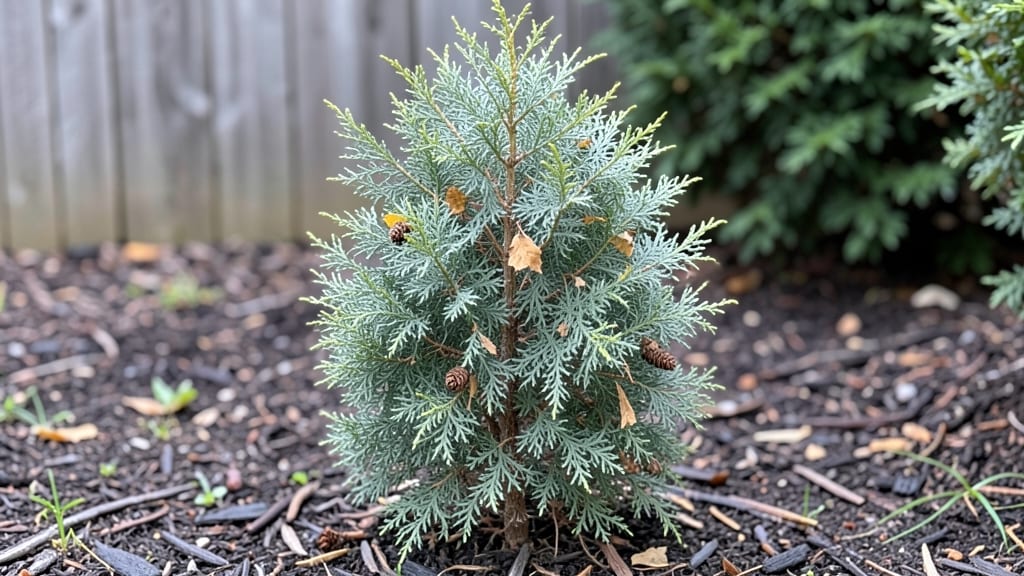
Planting cedar tree plants gives you a fragrant, wind-blocking privacy screen that matures faster than you’d expect—three years to full, dense coverage. 🌿 I’ve watched my own cedars transform from scraggly saplings into a lush, evergreen barrier, and the secret isn’t magic—it’s the right spacing, soil, and a little patience.
The first year is all about root establishment, but by year two, you’ll see vertical growth that outpaces most fast-growing alternatives.
Cedars thrive in poor soil and full sun, making them low-maintenance workhorses for fences or borders. Start with 3-foot spacing between plants for Eastern Red Cedar or 4 feet for Western Red Cedar—they’ll fill in quickly once established.
Mulch heavily to retain moisture, and water deeply but infrequently after planting. Pruning isn’t necessary for shape, but removing dead branches in early spring keeps them looking sharp.
By year three, your screen will be thick enough to block noise and reduce wind, with that signature cedar aroma wafting through your yard. The needles stay green year-round, and mature trees resist pests like deer and rabbits—unlike many other evergreens.
Once rooted, these trees need almost no care beyond occasional watering during droughts.
Works for urban lots, rural windbreaks, or even large containers if you’re short on space. The key is planting now—cedars grow steadily, and every inch of height means more privacy sooner. Let’s get those roots in the ground before winter sets in.
📚 In This Guide
- What you need
- Instructions
- Tips and common mistakes
- Wrapping up and next steps
What you need
- ● Cedar tree plants: 3–5 Western Red Cedar (Thuja plicata) or Eastern White Cedar (Thuja occidentalis) saplings (1–2 ft tall, spaced 3–5 ft apart for full coverage)
- ● OR 5–10 lbs of cedar seeds (if starting from scratch—germination takes patience!)
- ● Planting site prep: 1–2 bags mulch (wood chips or pine straw, 2–3 inches deep)
- ○ 1 bag compost or well-rotted manure (optional but boosts soil health)
- ● Garden tiller or shovel (for breaking up compacted soil)
- ● Tools for planting: Hand trowel or spade
- ● Measuring tape (to mark spacing)
- ● Garden hose with nozzle (for deep watering)
- ● Pruning shears (for shaping young plants)
- ● Soil test kit (to check pH—cedars prefer 6.0–7.0)
- ● Slow-release fertilizer (balanced 10-10-10 or cedar-specific blend)
- ● Erosion control fabric (for slopes or windy areas)
- ● Tree stakes (if planting in exposed or muddy soil)
- ● Organic pesticide (neem oil or horticultural soap for pests)
Step-by-Step guide to planting cedar trees for a privacy screen
Here's how to establish a lush, wind-resistant evergreen barrier that matures into a dense screen.
🌱 Step 1: Select and Prepare Planting Sites
Choose a location with full sun to partial shade—cedars tolerate a range but thrive with 6+ hours of sunlight daily. Mark four planting spots 6-10 feet apart (closer spacing encourages faster growth and denser screening). Test soil moisture by digging a 6-inch hole; if it drains in under 2 hours, your site is ideal.
Amend heavy clay soil with 2-3 inches of compost mixed into the top 12 inches of native soil. Cedar roots prefer well-draining conditions, so avoid low-lying areas where water pools. I always check for underground utilities before digging—call 811 in the U.S. if unsure, as cedar roots can damage lines over time.
🪴 Step 2: Plant Nursery-Grown Saplings Correctly
Dig holes twice as wide as the root ball but no deeper—cedars hate having their roots buried too deeply, which suffocates them. Gently remove each sapling from its container and loosen tangled roots with your fingers. Place the plant in the hole so the top of the root ball sits 1-2 inches above ground level.
Backfill with native soil mixed with 1 part compost to improve fertility. Tamp soil lightly around the base to eliminate air pockets but avoid compacting it. Water deeply until moisture reaches 6 inches down, then let the soil settle for 24 hours before adding mulch. This prevents root displacement during initial watering.
☀️ Step 3: Mulch and Water for Establishment
Spread 2-3 inches of wood chips or shredded bark mulch in a 3-foot diameter circle around each sapling, keeping mulch 6 inches away from the trunk to prevent rot. Cedar bark is naturally resistant to disease, but mulch too close creates a moist environment that attracts fungal issues. Water the mulched area until it's evenly moist but not soggy.
Newly planted cedars need 1-1.5 inches of water weekly during the first growing season. Check moisture by pushing a screwdriver into the soil—if it resists at 2 inches deep, water again. Avoid overhead sprinkling, which can spread fungal spores. Instead, use soaker hoses or drip irrigation to deliver water directly to the root zone.
✂️ Step 4: Prune for Shape and Health
Wait until spring of the second year before pruning—cedars establish roots slowly, and early pruning stresses young plants. Remove only dead, diseased, or crossing branches using clean, sharp pruners. Make cuts just outside the branch collar (the swollen area where the branch meets the trunk) to promote fast healing.
Shape the tree by selectively trimming the outer third of new growth to encourage bushier development. Never remove more than 25% of the foliage in one season, as cedars are sensitive to heavy pruning. You'll notice new growth filling in within 4-6 weeks—this is your signal that the plant is recovering well from pruning.
⏰ Step 5: Monitor and Maintain Through Year 1
Fertilize lightly in early spring with a 10-10-10 balanced fertilizer applied at half the recommended rate. Cedar trees grow slowly and don't need heavy feeding. Spread granules in a 12-inch diameter circle around the base and water deeply to activate them. Avoid fertilizing in late summer or fall, as new growth won't harden off before winter.
Watch for bagworms or spider mites, common cedar pests. Treat infestations early with horticultural oil or insecticidal soap—cedars are tough but stressed plants are vulnerable. In winter, gently brush off heavy snow accumulation from branches to prevent breakage. By year three, your screen will reach 6-8 feet tall, providing the privacy you envisioned.
Tips & tricks for perfect cedar tree privacy screens
A few strategic choices will help your cedar privacy screen grow into a dense, wind-resistant barrier faster than you'd expect.
Site Selection Wisdom: The 6+ hours of sunlight requirement is non-negotiable for healthy growth, but don't overlook wind patterns. Plant your four cedars in a staggered formation—offset each tree by 3-4 feet from the perfect grid. This creates a natural windbreak while allowing airflow between plants, reducing storm damage. I've seen cedars planted in tight rows develop fungal issues from poor air circulation.
Root Ball Placement Secret: That 1-2 inch elevation above ground level in Step 2 isn't just about aesthetics—it prevents root rot by ensuring proper drainage. If your soil is particularly heavy clay, consider adding a 2-inch layer of coarse sand to the hole bottom before planting. The 24-hour settling period after watering gives roots time to establish contact with native soil without being displaced by subsequent watering.
Watering Technique: The 1-1.5 inch weekly measurement might seem vague, but here's how to interpret it: Fill a can with water and mark the 1.5-inch level. Place it near your plants and water until that mark disappears. For the 2-inch deep moisture check, use a screwdriver—if it resists at that depth, you're golden. Overhead sprinklers can actually harm cedars by promoting fungal growth, so invest in a simple soaker hose for targeted watering.
Pruning Insight: The 25% foliage limit in Step 4 might seem strict, but cedars are sensitive to heavy pruning. I recommend using sharp bypass pruners and making cuts at a 45-degree angle just outside the branch collar. For shaping, focus on removing only the outer third of new growth—this encourages bushier development without shocking the plant. The 4-6 week recovery time is your green light that the tree is handling pruning well.
Pro Tips for Cedar Tree Plants
- A few strategic choices will help your cedar privacy screen grow into a dense, wind-resistant barrier faster than you'd expect.
- Site Selection Wisdom: The 6+ hours of sunlight requirement is non-negotiable for healthy growth, but don't overlook wind patterns.
- Root Ball Placement Secret: That 1-2 inch elevation above ground level in Step 2 isn't just about aesthetics—it prevents root rot by ensuring proper drainage.
Frequently asked questions
Got questions about growing cedar trees for your privacy screen?
You’re not alone! Here are answers to the most common queries to help you plant with confidence.
When is the best time to plant cedar trees?
Plant cedar trees in early spring or fall when temperatures are mild. Avoid extreme heat or frost—cedars dislike stress during transplanting. If you must plant in summer, water deeply 2–3 times a week to keep roots moist until established.
How far apart should I space cedar trees for a privacy screen?
For a fast-growing screen, space cedars 3–5 feet apart in rows 4–6 feet apart. This allows room for branches to fill in within 3 years. If you want a denser look sooner, plant them 2–3 feet apart but expect slower initial growth.
How much water do cedar trees need after planting?
Water cedars deeply 2–3 times per week for the first month, then taper to once a week. Once established (after 1–2 years), cedars are drought-tolerant. Pro tip: Mulch around the base to retain moisture and suppress weeds.
What pests or diseases should I watch for with cedar trees?
Cedars are generally low-maintenance, but watch for cedar-apple rust (orange fungal spots) or bagworms (sack-like pests). Treat rust with fungicide in early spring, and handpick or spray bagworms with insecticidal soap. Healthy trees resist most issues!
Can I plant cedar trees near other plants, like shrubs or flowers?
Yes! Cedars thrive near companion plants like hostas, ferns, or ornamental grasses under their shade. Avoid planting shallow-rooted species too close—their roots can compete. For a layered look, place perennials 3–4 feet away from the cedar trunk.
Wrapping up and next steps
Growing cedar tree plants as a fast, evergreen privacy screen is a rewarding project that pays off in just three years! 🌲 With the right soil, spacing, and care, you’ll enjoy a lush, fragrant hedge that thrives for decades.
Whether you’re enhancing curb appeal or adding natural beauty to your yard, these resilient trees are a smart choice.
Ready to get started? Pick your favorite cedar variety, gather your supplies, and plant with confidence! Your future privacy oasis is just a shovel’s throw away. 🌿