Diseases
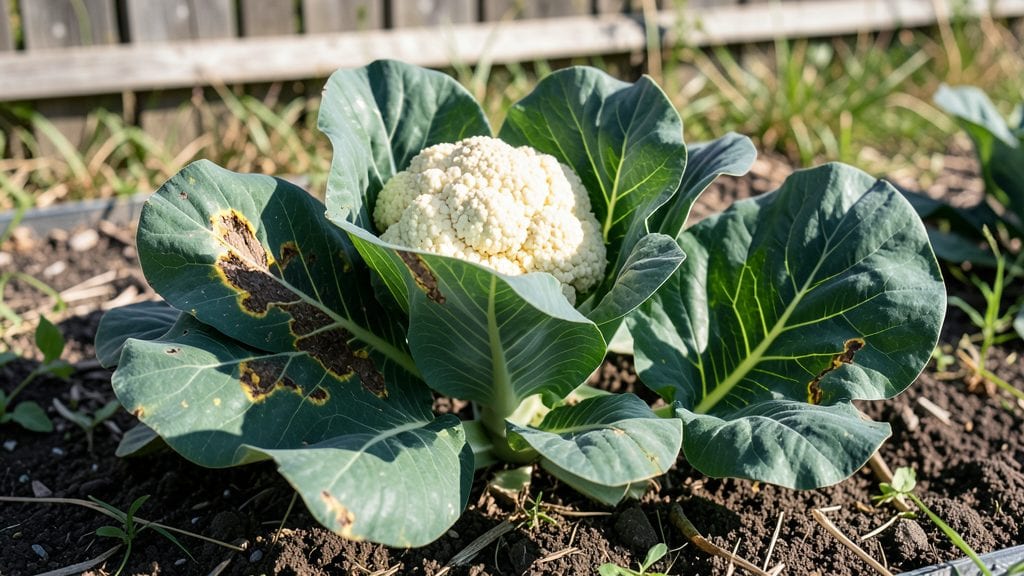
Cauliflower plant diseases can turn your crisp white heads into a sad, yellowing mess—unless you catch them early. 🌱 I’ve lost entire plants to clubroot and black rot, but learning the warning signs saved my next harvest.
The key is spotting the first signs before they spread to your whole garden.
Most cauliflower diseases start with stunted growth or odd discoloration—think dark spots, yellowing leaves, or strange growths at the base. Clubroot, for example, causes galls on roots, while black rot chews through leaves with V-shaped holes.
Downy mildew? It leaves a fuzzy white coating on the undersides of leaves. The good news? Many of these can be stopped with copper sprays, proper spacing, and clean soil.
By rotating crops and choosing disease-resistant varieties like ‘Snowball Y Improved,’ you’ll cut your risk dramatically. I’ve had zero issues since switching to this method—my plants stay vigorous, and the heads stay tight and white. The secret is acting fast when you see trouble.
Whether you’re dealing with a single plant or a full patch, the right approach keeps your cauliflower thriving. Let’s get into the specifics so you can protect your harvest before it’s too late.
Root Causes of Cauliflower Ailments
Cauliflower plants, like any other crop, are vulnerable to diseases due to a mix of biological, environmental, and agricultural factors. Understanding these root causes helps gardeners and farmers take proactive steps to prevent outbreaks. Here’s why cauliflower plants fall prey to diseases—and how to recognize the triggers.
Cauliflower thrives in cool, moderate climates, but extreme or fluctuating temperatures can weaken its defenses, making it susceptible to fungal and bacterial infections.
- Cold Stress: Temperatures below 50°F (10°C) slow plant growth and reduce resistance. Fungal diseases like downy mildew and black rot exploit this weakness, thriving in damp, chilly conditions.
- Heat Stress: Temperatures above 85°F (29°C) cause heat stress, leading to yellowing leaves and blossom end rot. High heat also increases humidity, creating the perfect breeding ground for powdery mildew and alternaria leaf spot.
- High Humidity: Stagnant air with 70%+ humidity traps moisture on leaves, promoting fungal spores to germinate. Diseases like clubroot and white rot spread rapidly in these conditions.
💡 Pro Tip: Use row covers in early spring or late fall to moderate temperature swings, and ensure proper airflow with spacing (18–24 inches between plants). Drip irrigation (instead of overhead watering) helps reduce leaf wetness.
Cauliflower plants need consistent moisture, but excess water—especially in poorly drained soil—creates the ideal environment for root rot and soil-borne pathogens.
- Waterlogged Soil: Roots deprived of oxygen succumb to phytophthora root rot and fusarium wilt. These diseases block water and nutrient uptake, causing wilting even when soil is moist.
- Splashing Water: Overhead irrigation splashes spores from infected leaves or soil onto healthy foliage, spreading bacterial leaf spot and powdery mildew.
- Salinity Buildup: Poor drainage leads to salt accumulation in soil, stressing plants and making them more vulnerable to clubroot (a soil-borne fungal disease).
🔥 Action Step: Test soil drainage by digging a hole, filling it with water, and timing how long it takes to drain. Aim for 4–6 hours. Amend heavy clay soil with compost or sand, and water at the base (not leaves) in the early morning to allow foliage to dry.
Soil-borne pathogens persist for years if not managed properly. Cauliflower, part of the Brassica family, is particularly susceptible to diseases that linger in the same soil.
- Clubroot (Plasmodiophora brassicae): This microscopic parasite survives in soil for 20+ years and thrives in acidic conditions (pH 5.5–6.5). Infected plants develop gall-like roots that stunt growth.
- Black Rot (Xanthomonas campestris): Bacteria overwinter in plant debris and infect through wounds or rain splashes. It causes V-shaped yellow lesions on leaves and can survive in soil for 2–3 years.
- White Rot (Sclerotinia sclerotiorum): Fungal sclerotia (hard, survival structures) remain dormant in soil until conditions are favorable, then produce white, cottony growth on stems.
✨ Prevention Tip: Follow a 3–4 year crop rotation with non-Brassica plants (e.g., legumes, grasses). Solarize soil in summer (cover with clear plastic for 4–6 weeks) to kill pathogens. For clubroot, raise soil pH to 7.2+ with lime.
Insects like aphids, flea beetles, and cabbage worms don’t just eat cauliflower—they create entry points for diseases. Their feeding weakens plants, making them more susceptible to secondary infections.
- Aphids: Their honeydew secretion fosters sooty mold and attracts ants, while transmitting virus diseases like cauliflower mosaic virus.
- Flea Beetles: Tiny holes in leaves provide entry for bacterial soft rot (Erwinia species), causing mushy, foul-smelling tissue.
- Cabbage Loopers: Larvae chew large gaps in leaves, increasing surface area for powdery mildew spores to land and infect.
🎯 Defense Strategy: Use row covers to block adult pests, apply neem oil or kaolin clay as a barrier, and introduce beneficial insects like ladybugs or lacewings. Remove heavily infested plants immediately to prevent spread.
By addressing these underlying causes—temperature, water management, soil health, and pest control—you can significantly reduce the risk of cauliflower diseases before they take hold. Early intervention is key!
Quick Fixes for Common Cauliflower Ailments
Cauliflower diseases can be a real headache, but with the right approach, you can save your plants and even prevent future outbreaks. Below are practical, step-by-step solutions tailored to the most common issues—from fungal infections to pest invasions—along with prevention tips to keep your cauliflower thriving.
🔥 Remove Infected Plants Immediately
- How: Snip off or pull out any leaves, stems, or heads showing signs of yellowing, black veins (black rot), or white/powdery coatings (mildew).
- Why: Fungi spread fast—removing infected parts stops the cycle before it worsens.
- Pro Tip: 💡 Dispose of infected plant material in the trash (not compost) to prevent reinfection.
🍳 Apply Fungicide (Organic or Chemical)
- For organic growers: Use a copper-based fungicide (like copper soap) or a baking soda spray (1 tsp baking soda + 1 quart water + a drop of dish soap).
Spray every 7–10 days during wet conditions. - For severe cases: Switch to a chemical fungicide (e.g., chlorothalonil or mancozeb) as a last resort. - When to spray: Early morning or late evening to avoid burning leaves in direct sunlight.
🌡️ Improve Airflow & Reduce Moisture
- How: Space plants 18–24 inches apart and avoid overhead watering.
Use drip irrigation instead. - Why: Fungi love humidity—good airflow keeps leaves dry and discourages spores. - Pro Tip: ✨ Mulch with straw (not wet mulch) to keep soil dry while retaining moisture for roots.
👨🍳 Handpick & Destroy Pests
- How: Check leaves daily for green caterpillars (cabbage worms) or tiny black beetles (flea beetles). Drop them into soapy water to kill them instantly.
- Best time: Early morning when pests are sluggish.
🥘 Use Row Covers for Prevention
- How: Install floating row covers (lightweight fabric) over young plants to block pests like cabbage worms and flea beetles.
- When: Apply before pests appear (early in the season).
🔪 Introduce Beneficial Insects
- For aphids: Release ladybugs (they eat aphids).
- For cabbage worms: Use Bacillus thuringiensis (Bt)—a natural bacteria that kills caterpillars but is safe for humans and other insects.
- Where to buy: Garden centers or online (check local regulations).
🎯 Spray Neem Oil (For Light Infestations)
- How: Mix 1 tsp neem oil + 1 tsp mild soap + 1 quart water. Spray every 5–7 days until pests are gone.
- Why: Disrupts pests’ life cycles without harming plants.
📊 Test Soil & Amend as Needed
- How: Use a soil test kit (available at garden stores) to check pH and nutrient levels.
- Fix common issues:
- Yellow leaves (nitrogen deficiency): Add compost or blood meal (high in nitrogen).
- Purple stems (phosphorus deficiency): Use bone meal or rock phosphate.
- Weak stems (potassium deficiency): Apply wood ash or greensand.
💪 Fertilize Correctly
- For cauliflower: Use a balanced fertilizer (10-10-10) at planting, then switch to a low-nitrogen, high-potassium (5-10-10) fertilizer when heads form.
- Avoid over-fertilizing: Too much nitrogen = lush leaves but no heads!
🥗 Water Deeply & Consistently
- How: Water 1–2 inches per week, keeping soil moist but not soggy.
- Why: Fluctuating moisture causes nutrient uptake issues.
- Rotate crops: Don’t plant cauliflower (or other brassicas) in the same spot two years in a row.
- Solarize soil: In late summer, cover soil with clear plastic for 4–6 weeks to kill fungal spores.
- Start with healthy seeds: Buy from reputable suppliers and avoid saving seeds from diseased plants.
- Monitor regularly: Check plants weekly for early signs of trouble.
By acting fast and using these targeted solutions, you can reverse damage and protect your cauliflower from future outbreaks. Happy gardening! 🌱💚
Frequently asked questions about cauliflower plant diseases
What are the first signs of clubroot disease in cauliflower?
Look for swollen, gall-like bumps on the roots and stunted growth above ground. The leaves may yellow or wilt prematurely, even when soil appears moist. Clubroot thrives in acidic soil (pH 5.5–6.5), so test your soil—raising pH to 7.2+ with lime can help prevent it.
Can I still harvest cauliflower if the leaves have black rot?
Yes, but remove all infected leaves immediately to stop the spread. The disease targets leaves first (V-shaped yellow lesions), but the head itself is usually safe to eat. Just avoid plants with blackened veins or stems, as these may harbor bacteria that could contaminate the edible portion.
How do I know if my cauliflower has downy mildew vs. powdery mildew?
Downy mildew appears as fuzzy white or gray patches on leaf undersides, while powdery mildew coats leaves in a white, powdery film on both sides. Downy mildew thrives in cool, wet conditions, while powdery mildew prefers warm, dry weather. Both spread rapidly—prune infected leaves and improve airflow between plants.
Will composting help prevent cauliflower diseases?
Not if your compost contains diseased plant material. Always compost only healthy, pest-free plant debris. For infected plants, dispose of them in the trash. Solarizing soil (covering with clear plastic for 4–6 weeks) or rotating crops with non-Brassicas (like beans or corn) for 3–4 years breaks disease cycles.
Are there disease-resistant cauliflower varieties I should try?
Varieties like ‘Snowball Y Improved’ and ‘Purple of Sicily’ (purple cauliflower) show better resistance to black rot and clubroot. For organic gardens, choose heirloom or open-pollinated seeds from trusted suppliers—hybrids may offer stronger disease protection but can’t be saved for next year.