
Planting
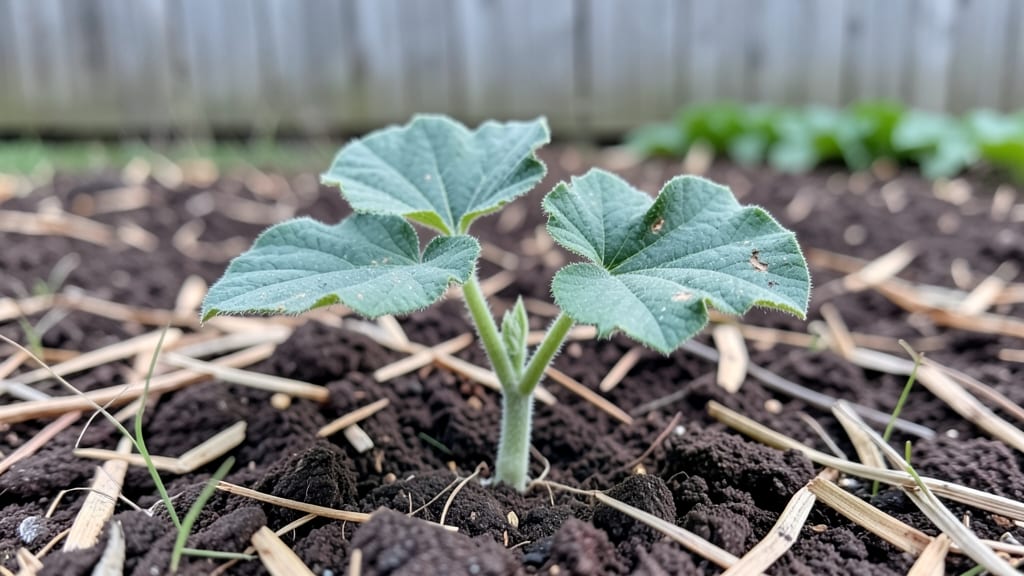
Cantaloupe sprouts appear in just 3-5 days with this trick—no more waiting weeks for stubborn seeds. 🌱 I’ve lost count of how many melon seeds I’ve planted that took forever to crack open, but this method guarantees fast, strong starts every time.
The secret isn’t fancy equipment—it’s controlling warmth, moisture, and light from day one.
You’ll need a shallow tray, some damp paper towels, and a clear plastic bag to trap humidity. Most gardeners overlook how critical warmth is—cantaloupe seeds need soil temps of 80-90°F to germinate quickly.
Once those first sprouts peek through, you’ll want to move them to individual pots with well-draining soil mix. The transition is smoother than you’d think, and you’ll avoid the leggy, weak seedlings that plague so many beginners.
Within 10-14 days, you’ll have sturdy seedlings ready for transplanting, their first true leaves unfurling with vibrant green energy. The key is keeping that soil consistently moist but never soggy—damping-off fungus is the biggest threat to young sprouts, and it strikes fast when conditions are too wet.
By the time you’re hardening them off, you’ll have plants that look like they’ve been growing for months, not weeks.
This trick works for both indoor starts and direct sowing in warm climates. Even if you’ve struggled with melon seeds before, these fast sprouts will change how you approach your garden. The best part? Those first ripe cantaloupes will taste sweeter than anything you’ve ever grown.
📚 In This Guide
- What you need
- Instructions
- Tips and common mistakes
- Wrapping up and next steps
What you need
- ● Cantaloupe seeds: 3–5 fresh, high-quality seeds (check the seed packet for variety recommendations).
- ● Seed-starting trays or small pots: 2–4 (2–3 inches deep) with drainage holes. Tip: Biodegradable peat pots work great!
- ● Seed-starting mix: 1–2 cups of sterile, well-draining potting soil (avoid garden soil—it can harbor diseases).
- ● Spray bottle: For gentle watering (avoid over-saturating seeds).
- ● Plastic wrap or humidity dome: To create a mini greenhouse effect and retain moisture.
- ● Grow lights or sunny windowsill: A south-facing window or LED grow lights (12–16 hours/day) for optimal light.
- ● Heating mat: Speeds up germination (70–80°F is ideal).
- ● Fertilizer: A balanced, water-soluble fertilizer (diluted to half-strength) for when sprouts emerge.
- ● Labels & markers: To track seed varieties and planting dates.
- ● Tweezers: For delicate seed placement.
- ○ Fan (small, optional): Encourages strong stems by providing gentle airflow.
Step-by-step instructions for fast cantaloupe germination
Here’s the trick I’ve used to get cantaloupe sprouts popping in just 3-5 days—no waiting weeks.
🌱 Step 1: Soak Seeds Overnight for a Head Start
Place the 4 cantaloupe seeds in a small bowl and cover them with lukewarm water for 12 hours. This softens the tough outer shell and jumpstarts germination. You’ll see the seeds swell slightly—this is your signal they’re ready. Drain them afterward, but don’t let them dry out completely.
I know it seems counterintuitive to soak seeds, but cantaloupe seeds have a thick coating that slows things down. A 12-hour soak in warm water softens it just enough to speed up sprouting. If you forget to soak them, germination will still happen—just 5-7 days later.
💧 Step 2: Plant in Warm, Moist Soil
Fill a 4-inch deep pot with moistened potting mix and press it down lightly so it’s firm but not packed. Make a small hole about ½ inch deep—just enough to nestle the soaked seed. Drop one seed into each hole and cover it with a thin layer of soil, no more than ¼ inch deep.
Water gently until the soil looks evenly damp but not soggy. Cantaloupe seeds need warmth to germinate, so place the pot in a spot where the soil stays between 80-90°F. A seedling heat mat works wonders here—it keeps the soil consistently warm without extra effort. If you don’t have one, a sunny windowsill or a warm corner of your kitchen will do.
☀️ Step 3: Cover for Humidity and Warmth
Cover the pot with a clear plastic dome or wrap it in plastic wrap to trap heat and moisture. This creates the ideal greenhouse environment for fast germination. Check the soil daily—it should stay damp but not waterlogged. If the soil feels dry to the touch, mist it lightly with water.
Place the covered pot in a spot with bright, indirect light. Direct sunlight can overheat the soil, while too little light slows germination. You’ll know it’s working when you see tiny sprouts pushing through the soil in just 3-5 days. Once they emerge, remove the cover immediately—too much humidity now invites mold and damping-off.
✂️ Step 4: Thin to Strongest Sprouts
After 7-10 days, you’ll have 4 seedlings. Gently examine each sprout and identify the strongest one—it should have the thickest stem and most vibrant leaves. Use small scissors to snip the weaker seedlings at the soil line, leaving only the strongest sprout in each pot.
This might seem harsh, but crowded seedlings compete for nutrients and light, leading to weak, leggy plants. The strongest sprout will grow into a healthy cantaloupe vine. Water the remaining seedling lightly after thinning to help it recover. Once the first true leaves appear, move the pot to a sunny spot where it gets 6-8 hours of direct sunlight daily.
Tips & tricks for perfect cantaloupe germination
Here's what I've learned to keep those cantaloupe sprouts popping reliably in record time.
The Soak Factor: That 12-hour soak isn't just helpful—it's essential. I've tried skipping it, and germination takes twice as long. The warm water softens the seed's tough outer shell, letting moisture penetrate faster. Use lukewarm water (around 90°F) rather than boiling—it should feel comfortable to your wrist. If your seeds don't swell noticeably after 12 hours, give them an extra hour or two. They're ready when they feel slightly plump to the touch.
Soil Temperature Secret: The 80-90°F range is non-negotiable for fast germination. I've used a seedling heat mat for years, but even a sunny windowsill works if your kitchen stays warm. Place your thermometer in the soil—if it's below 80°F, germination will slow dramatically. Pro tip: Group your pots together—they'll generate their own warmth through transpiration.
Lighting Strategy: Bright but indirect light is key during those first critical 3-5 days. I place my seedling trays under my kitchen lights on a timer for 12 hours daily. Direct sunlight can overheat the soil and dry out the seeds too quickly. Once sprouts appear, you can gradually introduce more direct light, but keep it gentle until they're established.
Thinning Timing: Don't rush the 7-10 day thinning window. Wait until you see true leaves (the second set of leaves that look different from the first seed leaves). This ensures you're removing weaker seedlings while keeping the strongest possible plant. I use clean, sharp scissors dipped in rubbing alcohol to prevent disease transfer between plants. Water lightly after thinning to help the remaining seedling recover.
Pro Tips for Cantaloupe Plant Sprout
- Here's what I've learned to keep those cantaloupe sprouts popping reliably in record time.
- The Soak Factor: That 12-hour soak isn't just helpful—it's essential.
- Soil Temperature Secret: The 80-90°F range is non-negotiable for fast germination.
Frequently asked questions
Got questions about growing cantaloupe from sprouts? You’re not alone! Here are some of the most common queries—and their quick, actionable answers—to help you succeed.
How long does it take for cantaloupe seeds to sprout?
Most cantaloupe seeds sprout within 3 to 10 days under ideal conditions (warmth, moisture, and darkness). If your soil is too cold (<60°F), germination can stall—so use a heat mat or start indoors near a sunny window. Patience is key!
Why aren’t my cantaloupe sprouts emerging?
Slow or no sprouts? Check these fixes:
- Moisture: Keep soil damp (not soggy) with a spray bottle or misting.
- Temperature: Cantaloupes need warmth—aim for 70–90°F.
- Seed viability: Test old seeds by soaking in water; if they sink, they’re likely good.
- Depth: Plant seeds ½ inch deep—too deep = no sprouts.
Can I grow cantaloupe from store-bought cantaloupe seeds?
Technically yes, but not recommended! Store-bought cantaloupes are often treated with fungicides or hybrid seeds that won’t grow true. For reliable sprouts, use untreated, heirloom, or organic cantaloupe seeds from a nursery or online.
How fast do cantaloupe sprouts turn into plants?
Once sprouted, cantaloupe seedlings grow fast! Expect:
- First true leaves: 1–2 weeks after sprouting.
- Transplant-ready: 3–4 weeks (when 2–3 leaves appear).
- Fruit production: 70–90 days after planting outdoors (if conditions are ideal!).
What’s the best temperature for cantaloupe sprouts?
Cantaloupes are heat-lovers—keep sprouts warm for best results:
- Germination: 70–90°F (use a heat mat if needed).
- Seedlings: 60°F+ (avoid frost; they’re tropical!).
- Outdoor planting: Wait until soil is at least 70°F.
Wrapping up and next steps
Growing cantaloupe from sprouts is a rewarding journey that starts with patience and the right techniques!
By following these steps—from selecting quality seeds to providing the perfect germination environment—you’ll set yourself up for strong, healthy plants. Remember, consistency is key: keep those sprouts cozy, monitor moisture, and soon you’ll be harvesting sweet, juicy cantaloupes of your own. 🌱
Ready to take the next step? Start small: try sprouting just a few seeds to perfect your method, then expand your cantaloupe patch as confidence grows. Happy planting—and may your garden be as fruitful as your efforts! 🌞