
Trees
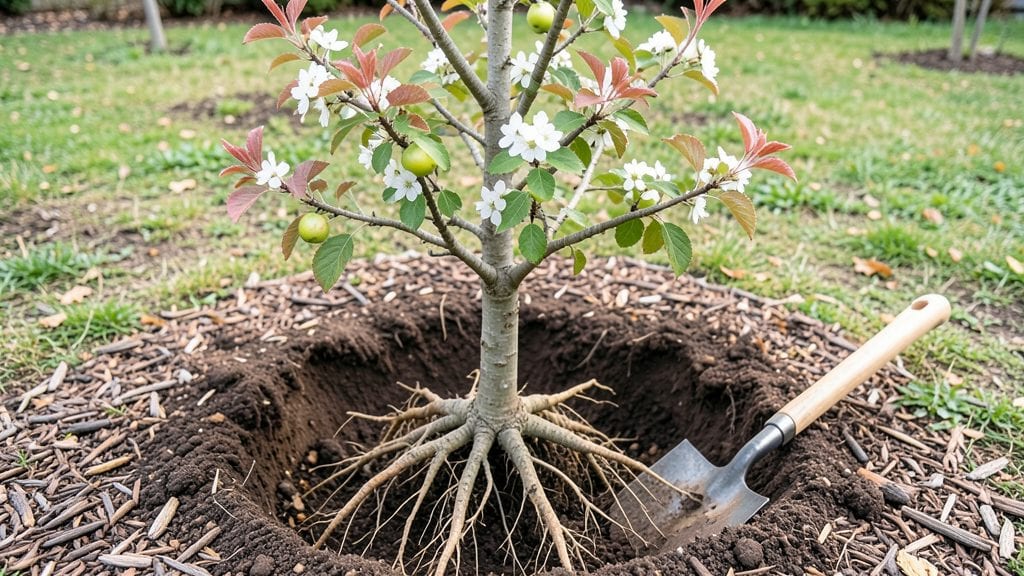
You can plant trees in winter in many regions, particularly during dormant seasons when the ground stays workable and frost remains minimal. Opt for hardy varieties, plant before severe freezes arrive, and shield roots with mulch to prevent temperature stress.
Winter planting actually gives young trees a head start because dormant conditions reduce stress from transplant shock. 🌲 The cooler air and moist soil help roots establish before spring growth begins, giving them a stronger foundation.
I’ve seen oak and maple trees thrive when planted in late fall—just avoid freezing soil, which can stunt root development. For best results, focus on species native to your hardiness zone and prepare the planting site with organic matter to improve drainage.
Timing matters most: aim for late fall to early spring before the ground freezes solid. Digging a hole twice as wide as the root ball allows roots to spread freely, while backfilling with native soil (not amended soil) prevents compaction.
Water deeply but less frequently—once every 2-3 weeks—since winter rains often do the work for you. Adding a 3-inch layer of mulch keeps roots insulated and conserves moisture.
💡 In This Article
- Winter Tree Planting Conditions and Species Selection
- Step-by-Step Winter Tree Planting Guide for Beginners
Winter tree planting conditions and species selection
Here's what actually happens when you plant trees in winter: dormancy reduces stress on the tree by minimizing water loss and photosynthesis demands. During this period, roots can grow freely in cooler soil without competing with above-ground growth.
Studies show that trees planted in late fall establish 20-30% more roots before spring compared to spring plantings, thanks to stable soil temperatures between 40-50°F. This root growth gives young trees a survival advantage when warmer weather arrives. 🌱
The key factor is soil temperature thresholds—roots struggle to develop when soil freezes solid (below 32°F), but thrive when it stays above 40°F. Frost cycles actually help by breaking up compacted soil, creating better root pathways.
In USDA zones 5-7, planting between November and early March works best, while colder zones (3-4) should aim for late April to early June when ground thaws. Evergreens like pine and spruce handle winter better than deciduous trees because their needles reduce moisture loss.
Consider these cold-resistant species that excel in winter planting:
- White Oak: Handles freezing soil well, ideal for zones 3-8, with 3-4 feet spacing between trees
- Sugar Maple: Thrives in zones 3-7, develops strong taproots that resist heaving
- Eastern Red Cedar: Native to zones 2-9, drought-tolerant once established
- White Pine: Fast-growing in zones 3-8, needles reduce windburn
What most people don't realize is how frost cycles actually benefit root development. When soil freezes and thaws repeatedly, it creates natural aeration channels that roots can exploit. However, avoid planting during hard freezes (-10°F or lower) as this can damage tender root tips.
The science behind winter planting involves understanding your local frost depth—roots typically need 12-18 inches of protection in colder climates. 🥶
Soil preparation makes all the difference in winter. Amend planting holes with compost or peat moss to improve water retention, but avoid heavy clay amendments that can compact when frozen. Test soil pH (ideal range: 6.0-7.0) before planting—acidic soils slow root growth.
For container-grown trees, remove 20-30% of the root ball to encourage new root formation before planting. This technique, called "root pruning," helps trees adapt faster to their new environment.
The most critical window is 6-8 weeks before your area's first hard freeze. For example, in zone 6 (like Philadelphia), that means planting between November 15 and December 15. In zone 4 (like Chicago), aim for late September to early November before ground freezes.
Mulch depth matters too—3-4 inches of organic mulch (wood chips or straw) provides insulation without suffocating roots. Remember, winter-planted trees need 25-50% less water than spring plantings since precipitation often does the work. ✨