
Pests and Diseases
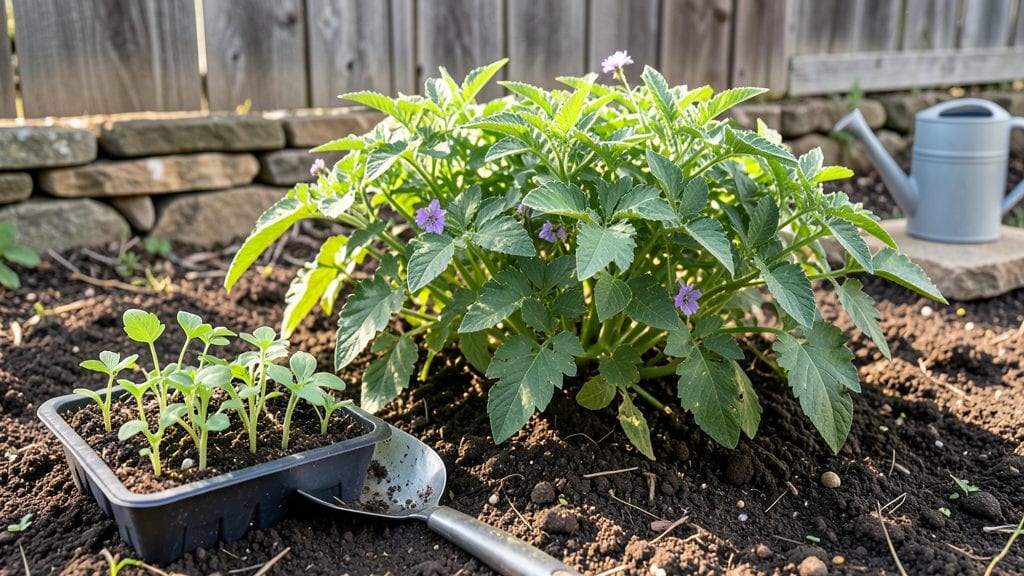
You should avoid planting peppers and potatoes together because they compete aggressively for soil nutrients and space, and peppers can inhibit potato growth while sharing pest vulnerabilities like aphids and spider mites. Opt for companion plants like basil or marigolds to improve potato yields instead.
This pairing creates a double whammy: both plants demand similar resources, and peppers release compounds that slow potato development. 🌱 The real kicker? They attract the same pests, turning your garden into a buffet for aphids and mites.
Instead of fighting for space, try planting potatoes near beans or corn—they thrive together while keeping pests at bay.
For peppers, basil and onions act as natural pest repellents while complementing their growth. The key is spacing: give each plant its own zone to prevent competition. This way, you maximize your harvest without the headaches of shared diseases or stunted growth.
💡 In This Article
- Why Peppers and Potatoes Are Poor Garden Companions
- Best Plant Pairings for Peppers and Potatoes
Why peppers and potatoes are poor garden companions
Peppers and potatoes share a critical resource battle: both are heavy feeders that demand nitrogen, phosphorus, and potassium in similar quantities. Potatoes need about 150-200 pounds of nitrogen per acre during their growing season, while peppers require 80-120 pounds per acre.
When planted together, their root systems—potatoes with deep, sprawling tubers and peppers with fibrous, shallow roots—compete aggressively for the same nutrients, often leaving both plants stunted or malnourished.
The real science lies in allelopathy, where peppers release volatile organic compounds like capsaicin and other phenolics that can inhibit nearby plants. Studies show these compounds can reduce root growth in potatoes by up to 30%, particularly in dense planting scenarios.
Imagine your peppers sending out chemical signals that tell potatoes, "Back off, this space is mine!" 🌱 This isn't just theoretical—gardeners report potatoes near peppers often produce smaller yields with more deformities.
Shared pests make matters worse. Both plants attract aphids, spider mites, and Colorado potato beetles, creating a pest paradise. Aphids, for example, thrive on pepper leaves and potato foliage, weakening both plants.
Spider mites follow suit, spinning webs that smother leaves and reduce photosynthesis. The result? Your garden becomes a high-risk zone where chemical interventions become inevitable, defeating the purpose of organic companion planting.
Root structure differences also play a role. Potatoes develop tubers 6-12 inches below soil, while pepper roots spread horizontally within the top 12-18 inches. This means their root zones overlap significantly, creating a nutrient war zone.
Even if you space them well, the competition persists because both plants draw from the same soil layer where most organic matter decomposes.
Consider this real-world example: In a 10x10-foot garden plot, planting peppers and potatoes together might yield 20% fewer potatoes and peppers that mature 1-2 weeks later than when grown separately. The delay happens because peppers prioritize their own growth, stealing resources that potatoes need during their critical tuber-bulbing phase.
What most gardeners don't realize is that peppers also attract whiteflies, which lay eggs on potato leaves. The larvae then feed on plant sap, further stressing already nutrient-deprived potatoes. This creates a vicious cycle where both plants suffer from poor growth and increased susceptibility to diseases like blight.