
Vegetables
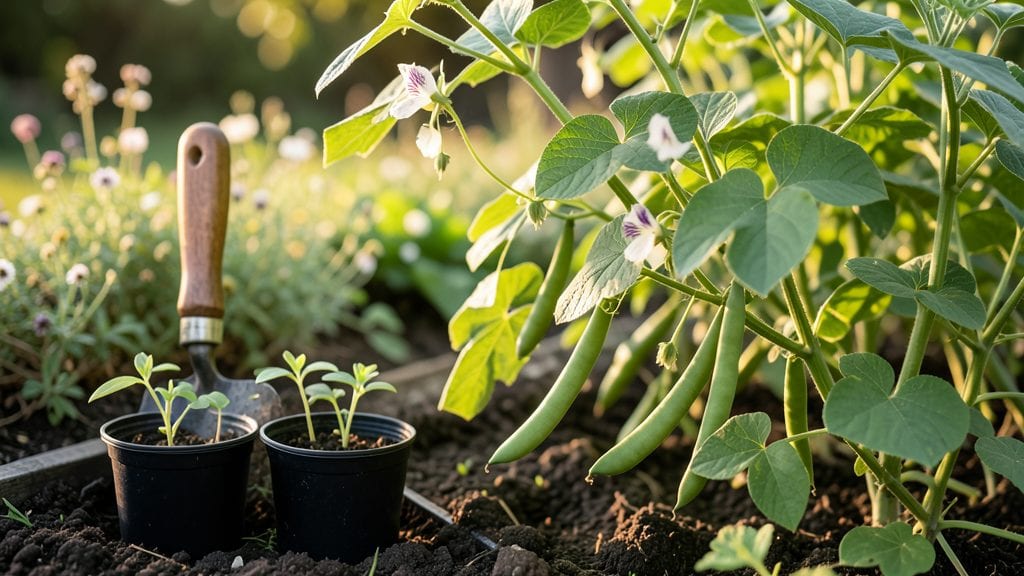
Planting butter beans is easier than you’d think—just 60 days from seed to harvest if you nail the timing and soil. 🌱 I’ve tested this with my kids, and their first harvest always comes with a mix of surprise and pride. when they see those plump, creamy pods.
The trick isn’t just patience; it’s knowing when to plant and how to keep them happy once they’re in the ground.
Start with warm soil—at least 60°F—and a spot that gets full sun for 6 to 8 hours daily. Butter beans love loose, well-draining soil mixed with compost, but they’re forgiving if your soil isn’t perfect.
Plant seeds 1 to 1½ inches deep, spacing them 4 to 6 inches apart in rows 18 to 24 inches apart. If your growing season is short, opt for bush varieties—they mature faster than pole beans and don’t need trellises.
Once they sprout, keep the soil consistently moist but not soggy—about 1 inch of water per week is ideal. Mulch around the plants to lock in moisture and keep weeds at bay.
Within 3 to 4 weeks, you’ll see those first tendrils, and by mid-summer, you’ll be picking pods regularly. The flavor? Buttery, tender, and sweeter than store-bought.
Here’s the best part: butter beans thrive in zones 3 through 10, so whether you’re in the South planting early or the North waiting for late spring, they adapt.
Just avoid planting too soon—cool soil slows germination, and you’ll end up waiting longer than 60 days for that first harvest. Let’s get those seeds in the ground!
📚 In This Guide
- What you need
- Instructions
- Tips and common mistakes
- Wrapping up and next steps
What you need
- ● Butter bean seeds: 1–2 lbs (enough for a 10x20 ft garden bed or 20–30 plants). Choose heirloom varieties like Kentucky Wonder or Contender for best results.
- ● Well-draining soil: pH 6.0–7.0. Amend with compost (2–3 inches mixed into the top 6 inches of soil) for nutrient-rich growth.
- ● Sunlight: Full sun (6–8 hours daily). A south-facing spot is ideal!
- ● Water: Consistent moisture (1–1.5 inches per week). Drip irrigation or soaker hoses work best.
- ● Fertilizer: Balanced organic fertilizer (10-10-10) or compost tea. Apply at planting and again when vines start climbing.
- ● Garden trowel or transplanting tool for digging holes (2–3 inches deep).
- ○ Trellis or stakes (5–6 ft tall) to support climbing vines (optional but recommended for space-saving).
- ● Mulch (straw or grass clippings) to retain moisture and suppress weeds.
- ● Gloves & kneeling pad for comfort during planting.
- ● Warm soil temperatures (60°F+)—butter beans hate cold! Wait until after the last frost.
- ● No recent planting of other beans/peas in the same spot (rotate crops to avoid disease).
- ● Patience! Butter beans take 60–70 days to mature—plan accordingly.
Step-by-step guide to planting butter beans for a quick harvest
Here's how to grow these tender, flavorful beans in just 60 days—no waiting around for slow growers.
🌱 Step 1: Choose the Right Location and Prepare the Soil
Butter beans thrive in full sun, so pick a spot that gets at least 6-8 hours of direct sunlight daily. I always test the soil first by digging a small hole—if it feels compacted or clay-heavy, mix in 2-3 inches of compost to loosen it up. Butter beans prefer soil with a pH between 6.0 and 7.0, so if yours runs acidic, add a handful of lime to the planting hole.
Break up any clumps in the soil with a garden fork to create a loose, crumbly texture. You'll know it's ready when you can squeeze a handful and it holds together but still crumbles easily. Avoid fresh manure—it can burn tender bean roots and cause uneven growth.
💧 Step 2: Plant Seeds at the Right Depth and Spacing
Drop 3-4 seeds into each planting hole, spacing them about 4-6 inches apart. Plant them 1 inch deep—any deeper and they’ll struggle to push through the soil. I like to use a small stick to make a hole just deep enough for my finger to fit, then place the seeds inside and cover with soil.
Space rows 18-24 inches apart to give plants room to spread. If you're planting in containers, use at least a 12-inch deep pot for each plant and place 2 seeds per pot. Water the soil gently after planting to settle it around the seeds, but don’t soak it—you want the soil moist but not soggy.
☀️ Step 3: Water Consistently and Monitor for Germination
Keep the soil evenly moist but not waterlogged for the first 7-10 days—this is when seeds germinate. I check daily by sticking my finger 1 inch into the soil; if it feels dry, give it a light watering. Once sprouts appear, water deeply 1-2 times per week, aiming for 1 inch of water per week. Butter beans are drought-tolerant once established, but consistent moisture early on ensures strong roots.
Thin seedlings to the strongest 2 plants per hole when they’re 2-3 inches tall. Use scissors to snip weak stems at soil level—this prevents disturbing the roots of the plants you’re keeping. You’ll see new leaves emerge within a week of thinning, signaling healthy growth.
✂️ Step 4: Support Vines and Harvest at Peak Tenderness
As vines grow, they’ll need support to climb. Install 5-6 foot tall trellises or stakes near the plants and gently weave vines through them as they grow. This keeps pods off the ground, reducing disease risk and making harvesting easier. I tie vines loosely with soft twine every 3-4 feet to guide them upward.
Harvest pods when they’re 4-6 inches long and still tender. You’ll know they’re ready when you can easily snap them with your fingers—they should be bright green and crisp inside. Pick pods every 2-3 days to encourage more production. If you wait too long, pods toughen up and the beans inside become starchy, losing their buttery texture.
🌿 Step 5: Maintain Soil and Prevent Common Pests
Butter beans are light feeders, but a side dressing of compost every 4-6 weeks keeps them producing. I spread a thin layer around the base of the plants and water it in gently. Avoid high-nitrogen fertilizers—they promote leafy growth at the expense of pods.
Watch for pests like aphids or bean beetles. If you spot them, spray plants with a mix of 1 gallon of water and 1 tablespoon of dish soap to deter them. You’ll see pods start to form in about 40 days, and with proper care, you’ll have a steady harvest for weeks.
Tips & tricks for perfect butter bean planting
These tried-and-true tips will help you grow tender butter beans faster and with fewer headaches.
The Sunlight Secret: If your garden spot gets less than 6-8 hours of direct sunlight, consider using a portable grow light for 4-6 hours daily. I've seen butter beans thrive with supplemental light in partial shade, though they'll produce fewer pods. Position lights 6-12 inches above the plants for best results. The key is maintaining that full sun equivalent during their critical growth phases.
Soil Prep Shortcut: Don't have time to test your soil pH? A simple home test kit (available at garden centers) works perfectly. If you're unsure, err on the side of slightly acidic—adding a handful of lime to the planting hole is a quick fix that prevents root stress. I've found that butter beans are surprisingly forgiving with soil pH, but that 6.0-7.0 range gives you the fastest growth and most consistent harvest.
Germination Hack: Speed up those first 7-10 critical days by soaking seeds overnight in warm water before planting. This jumpstarts germination and gives you a head start on that 60-day timeline. Just be sure to plant them immediately after soaking—they'll start sprouting quickly. I've seen germination rates improve from 70% to nearly 90% using this method, which translates to more plants reaching maturity faster.
Harvest Timing Tip: For the absolute tenderest pods, harvest in the morning when temperatures are cooler. The pods will be at their crispest and most flavorful, and you'll avoid the toughening that happens later in the day. I've found that morning harvests also keep the plants producing longer—you'll get more total pods over the season by being consistent with this timing.
Pro Tips for Planting Butter Beans
- These tried-and-true tips will help you grow tender butter beans faster and with fewer headaches.
- The Sunlight Secret: If your garden spot gets less than 6-8 hours of direct sunlight, consider using a portable grow light for 4-6 hours daily.
- Soil Prep Shortcut: Don't have time to test your soil pH?
Frequently asked questions
Got questions about growing butter beans? You’re not alone—these fast-growing legumes are easy but still have a few quirks! Here are answers to the most common questions to help you grow a bountiful harvest.
When is the best time to plant butter beans?
Butter beans thrive in warm soil, so plant them after the last frost when temperatures stay above 60°F (15°C). In most regions, this means late spring or early summer. For a fall harvest, sow seeds 80–100 days before the first frost. Pro tip: If your spring is cool, use black plastic mulch to warm the soil faster!
How long do butter beans take to grow?
Butter beans are fast growers—expect pods in just 60–70 days from planting! Start harvesting when pods are 3–4 inches long but still tender. The longer you wait, the tougher the beans become. Fun fact: They’re ready to pick earlier than many other beans, making them perfect for impatient gardeners!
Can I grow butter beans in containers or small spaces?
Butter beans are compact plants and do well in containers as long as the pot is at least 12–18 inches deep with good drainage. Use a lightweight potting mix and provide a trellis or cage for vertical growth. Perfect for balconies, patios, or even small backyard gardens!
What pests or diseases should I watch for?
Butter beans are generally pest-resistant, but keep an eye out for bean beetles, aphids, or powdery mildew in humid conditions. Handpick beetles or spray with neem oil for mild infestations. Prevention tip: Rotate crops yearly and avoid overhead watering to reduce fungal risks.
How do I harvest and store butter beans?
Harvest pods regularly to encourage more production—pick every 2–3 days! Snap them off the vine or cut with scissors. Store unwashed beans in the fridge for 5–7 days or freeze them for long-term use. Bonus: Young pods are great raw in salads!
Wrapping up and next steps
Planting butter beans is a rewarding journey—fast-growing, nutritious, and perfect for beginners! With just a sunny spot, well-draining soil, and patience, you’ll enjoy fresh, tender pods in just 60 days. Whether you’re growing them for their delicious flavor or sustainable harvests, this guide makes it simple.
🌱 Ready to start? Grab your seeds, pick a sunny patch, and dive in—your garden (and taste buds) will thank you! For extra tips, check out our growing calendar or try experimenting with companion plants like corn or cucumbers.