
Companion Plants
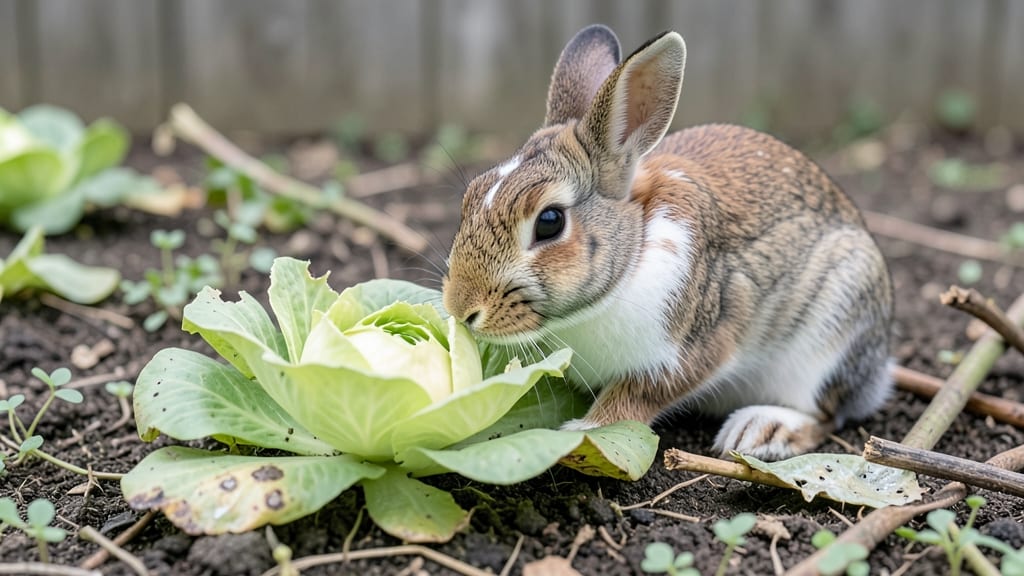
My garden became a buffet of bunny-eating plants—until I discovered which varieties they skip and how to outsmart their appetites. 🌱 The trick isn’t just fencing or repellents; it’s choosing the right companions to protect your prized veggies. taste terrible to rabbits.
I’ll show you the exact combinations that work, plus the sneaky tricks that saved my tomatoes last summer.
Rabbits skip plants with strong scents like garlic, onions, or marigolds—nature’s built-in deterrent. Pair your lettuce with chives or your roses with lavender, and suddenly your garden becomes a no-go zone.
Physical barriers help too, but companion planting is the low-maintenance upgrade that actually works. My 3-foot-tall basil finally thrived after I planted it next to thyme.
You’ll end up with a garden that rabbits ignore, even when they’re hungry. No more chewed leaves or vanished seedlings—just lush, undisturbed plants that produce like crazy. The best part? These strategies work year after year without chemicals. Let’s make your yard the one they skip.
Works for vegetable gardens, flower beds, and even container plants—no matter how determined your local bunnies are. Here’s how to build a rabbit-proof menu your garden will love.
The real culprits behind plant damage
When your garden becomes a buffet for bunnies, it’s not just bad luck—it’s usually a mix of natural behaviors, environmental factors, and plant vulnerabilities. Understanding why rabbits target your greenery is the first step to protecting it.
Let’s break down the key reasons, backed by science, so you can outsmart these furry foragers.
Rabbits are herbivores with preferences, and some plants are basically gourmet meals to them. They gravitate toward tender, young shoots, broad-leaved veggies, and plants with high water content—think lettuce, clover, or hostas. Why? These plants are:
- Nutrient-rich: Leafy greens and herbs are packed with proteins, vitamins, and fiber, making them irresistible.
- Low in toxins: Unlike milkweed or foxglove, many common garden plants lack natural rabbit repellents.
- Easy to digest: Soft stems and thin leaves require minimal chewing effort, saving energy for bunnies.
Actionable fix: Swap vulnerable plants with rabbit-resistant alternatives like lavender, marigolds, or Russian sage. Even adding strongly scented herbs (like rosemary or thyme) can mask the aroma of their favorite snacks.
Rabbits don’t just eat plants—they thrive near them. If your yard offers:
- Cover: Dense shrubs, tall grasses, or overgrown weeds provide hiding spots from predators (and humans).
- Water sources: Ponds, dew-heavy mornings, or even a leaky hose attract them for hydration.
- Open access: Without fences or barriers, bunnies hop right in for an all-you-can-eat salad bar.
Science note: Studies show rabbits prefer gardens with edge habitats—areas where wildland meets cultivated space—because they offer both food and safety. Actionable fix: Trim back overgrowth, secure water sources, and install chicken wire or mesh fencing (at least 2 feet tall) to block entry points.
Rabbits are opportunistic eaters, and their munching habits spike during:
- Spring: New growth is their favorite—tender shoots are packed with nutrients, and bunnies are recovering from winter.
- Late summer/early fall: As natural food sources (like clover) dwindle, they raid gardens for calories.
- Drought or frost: When wild plants dry up or freeze, cultivated gardens become their last resort.
Pro tip: 💡 Timing matters. Plant fast-growing cover crops (like radishes or arugula) in early spring to distract bunnies from your prized plants. In fall, remove spent vegetation to eliminate hiding spots before they nest.
Rabbits reproduce rapidly—a single pair can produce 20+ offspring in a season. More bunnies mean more mouths to feed, and your garden becomes ground zero. Why does this matter?
- Juvenile rabbits eat more: Babies (called kits) are voracious and will strip plants faster than adults.
- Territorial behavior: Established rabbits mark and defend feeding areas, leading to systematic destruction.
- Urban sprawl: As wild habitats shrink, bunnies move into suburban gardens, increasing competition for food.
Long-term solution: 🎯 Humane trapping and relocation (check local laws first!) can reduce local populations. For immediate relief, use commercial repellents with capsaicin (like Hot Pepper Wax) to create a no-go zone.
Key takeaway: Bunnies don’t target your garden out of spite—they’re following instinct, environment, and availability. By addressing what they eat, where they hide, and when they’re most active, you can turn your yard into a less appealing (and more protected) space.
Stop Rabbits From Feasting
When rabbits start munching on your garden, it’s time to act fast—but don’t reach for harsh chemicals. Instead, try these effective, natural fixes tailored to the most common causes of bunny snacking. Each solution is simple, budget-friendly, and designed to work without harming your plants (or the environment).
Rabbits love fresh, soft greens—especially new seedlings. To deter them:
🔥 Plant Rabbit-Repellent Companions
Strategically place strong-smelling herbs near vulnerable plants. Rabbits avoid:
- Garlic (crush leaves and scatter around)
- Rosemary (plant as a border)
- Mint (grow in containers to prevent spread)
- Lavender (adds beauty + protection)
Pro tip: 💡 Mix crushed red pepper flakes into the soil near seedlings—it’s a natural deterrent without harming plants.
🍳 Use Physical Barriers Early
Young plants need low-cost shields until they mature:
- Chicken wire or hardware cloth (bury edges 6 inches deep to block digging).
- Plastic plant collars (cut from soda bottles, 12+ inches tall).
- Row covers (lightweight fabric that lets sunlight through).
Warning: ⏰ Check barriers weekly—rabbits chew through weak materials!
Once plants are established, rabbits may still raid your garden. Try these long-term solutions:
👨🍳 Create a "Fake Feast" Trap
Rabbits are curious but predictable. Distract them with:
- A sacrificial plot of fast-growing, rabbit-loved plants (like lettuce or clover) far from your garden.
- Compost piles or mulch heaps near the trap—rabbits love to nibble on decaying matter.
Bonus: 🎯 Add motion-activated sprinklers (like ScareCrow) to startle them away.
🌡️ Spice Up Their Menu
Rabbits dislike spicy, bitter, or strong-smelling plants.
Interplant your veggies with: | Plant | Why It Works | Best For | |-----------------|------------------------------------------|----------------------------| | Daffodils | Toxic to rabbits (contains lycorine) | Perennial borders | | Foxglove | Bitter taste deters grazing | Shady garden areas | | Russian Sage| Pungent foliage rabbits avoid | Drought-resistant borders | | Alliums | Strong onion scent repels | Near carrots/lettuce |
Avoid: ❌ Rhododendrons or azaleas—while toxic, they’re slow-growing and may not provide immediate protection.
Persistent diggers? They’re tunneling to reach roots. Stop them with these tricks:
🏗️ Fortify Entry Points
- Bury hardware cloth 12–18 inches deep along fence lines.
- Lay down landscape fabric under mulch to block digging.
- Use smooth rocks or gravel in front of fences—rabbits dislike the texture.
Pro tip: 🔥 Spray castor oil-based repellent (like Bonide Rabbit Repeller) along the base of fences—it’s pet-safe and smells foul to rabbits.
🌙 Disrupt Their Nighttime Routine
Rabbits are crepuscular (most active at dawn/dusk). Break their rhythm with:
- Outdoor lights on timers near problem areas.
- Wind chimes or aluminum pie plates (hang near gardens—the noise startles them).
- Predator urine (fox or coyote urine, available at garden stores).
Once you’ve solved the immediate problem, lock in your defenses with these habits:
- Remove hiding spots—keep grass short, eliminate brush piles, and store firewood away from gardens.
- Harvest regularly—overripe veggies attract rabbits. Pick produce before it falls.
- Rotate repellents—rabbits get used to smells.
Switch between sprays, plants, and barriers seasonally. 4. Encourage natural predators—install a bird feeder (birds eat rabbit eggs/young) or a chicken coop (chickens love bunny snacks!).
Final Reminder: 🌿 Patience is key—some methods take 1–2 weeks to show results. Combine physical barriers + repellents + companion plants for the best defense. Your garden (and your sanity) will thank you!
Frequently asked questions
What are the most rabbit-resistant plants I can add to my garden?
Try lavender, rosemary, or Russian sage—their strong scents deter bunnies naturally. Other safe bets include foxglove (bitter taste), daffodils (toxic), and alliums (onion family). These work best as borders or interplanted near vulnerable crops.
Will fencing really keep rabbits out, or do I need something stronger?
Standard fencing works if installed correctly: use hardware cloth (not chicken wire) and bury it 12 inches deep to block digging. For extra protection, add an outward-facing 2-inch lip—rabbits can’t jump over it. Combine with repellents for best results.
Are there any natural repellents that actually work long-term?
Yes! Castor oil-based sprays (like Bonide) last 1-2 weeks and are pet-safe. For permanent solutions, plant garlic or mint near problem areas—their scent masks vulnerable plants. Rotate methods seasonally to prevent rabbits from adapting.
My rabbits are still eating my plants even after trying everything—what now?
Try a sacrificial plot of fast-growing lettuce or clover far from your garden to distract them. For stubborn cases, install motion-activated sprinklers (like ScareCrow) or use predator urine (fox/coyote) around plant bases. These disrupt their feeding patterns.
Can I use companion planting in containers or small gardens?
Grow mint in pots near vulnerable plants or use small garlic cloves as mulch. For vertical gardens, plant rosemary or thyme in hanging baskets—their scent will deter bunnies while adding greenery. Just ensure containers are stable to prevent tipping.