
Plants
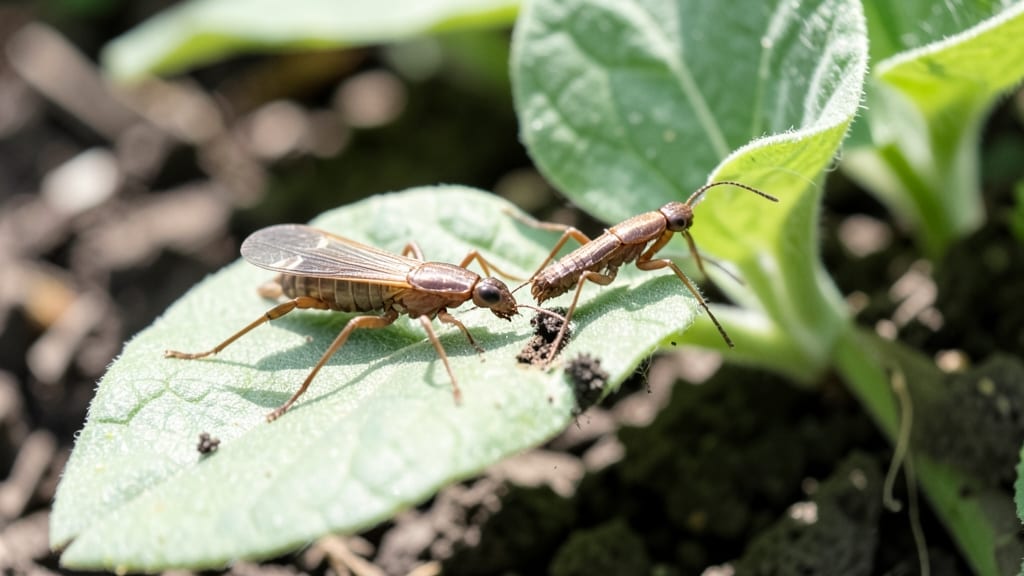
When earwigs eating plants turn your garden into their salad bar, you’re not alone—these armored pests can strip leaves faster than you can say "pesticide." I’ve lost count of the nights spent hunting them off my hostas, only to find fresh damage the next morning.
The good news? You don’t need harsh chemicals to win this battle. With the right barriers and a few smart tricks, you can outsmart them without harming your plants—or your conscience.
Earwigs love damp, dark spots where they can hide during the day and feast at night. That’s why they target tender new growth, flowers, and fruit—anything soft and juicy. The key to stopping them is removing their hiding places and making your garden less inviting.
Think of it like eviction notices for pests: dry mulch instead of damp leaves, tight-fitting row covers, and even something as simple as a diatomaceous earth ring around vulnerable plants can send them packing.
What you’ll end up with is a garden where earwigs think twice before taking a bite. Your hostas stay lush, your strawberries ripen without holes, and you avoid the grimy residue of chemical sprays.
The best part? These methods work whether you’re growing veggies in raised beds or flowers in containers. No more midnight raids—just peaceful, pest-free evenings in the yard.
Fair warning: Earwigs are sneaky, so you’ll need to check regularly for early signs like chewed petals or silvery trails on leaves. But once you’ve got the barriers in place, you’ll see results within a week or two—and your plants will thank you with stronger, healthier growth.
Let’s get those pests out of your garden for good.
Root Causes Of Plant Damage
Earwigs may seem like harmless garden visitors, but when they start munching on your plants, it’s usually a sign of underlying conditions drawing them in. Understanding why they target your greenery is the first step to stopping the damage.
Below, we break down the key triggers—from environmental factors to plant vulnerabilities—that turn your garden into an all-you-can-eat buffet for these pincered pests.
Earwigs are scavengers at heart, and they’re drawn to moist, rotting organic material like a magnet. If your garden has:
- Fallen leaves piling up in damp corners
- Overwatered or mulched areas that stay soggy
- Damaged or wilting plants (earwigs feast on soft, decaying tissue)
These conditions create the perfect earwig habitat. Pro tip: 💡 Clear away debris regularly, especially after rain, to remove their food source and shelter.
Earwigs are nocturnal and avoid bright light, which means artificial lighting near your garden can disrupt their natural behavior. Here’s how it backfires:
- 💡 Outdoor lights (especially white or blue LED bulbs) repel them at night, forcing them to forage earlier or later—when they’re more likely to chew on tender leaves.
- 🌙 Dark, sheltered spots (like under pots or dense foliage) become their daytime hideouts, where they multiply unnoticed.
If your garden is lit up at night, earwigs may shift their feeding windows to dawn or dusk, catching plants off guard. Solution: Use warm-toned bulbs (like amber) or motion-activated lights to minimize disruption.
Earwigs thrive in humidity—they need moisture to survive, and damp conditions make plants more vulnerable. Key moisture-related triggers include:
- Overwatering: Soggy soil invites earwigs to burrow near roots, where they’ll gnaw on tender stems.
- Poor drainage: Containers or garden beds that stay waterlogged create breeding grounds.
- Morning dew or rain: Earwigs emerge to feed on damp leaves, increasing damage during wet seasons.
Actionable fix: 🌡️ Improve soil drainage, water deeply but less frequently, and avoid mulching too thickly in humid climates.
Healthy plants are less appealing to earwigs, but when they’re weakened, they become easy targets. Common plant stressors that attract earwigs:
| Stressor | Why It Attracts Earwigs |
|---|---|
| 🍂 Nutrient deficiency | Plants with yellowing leaves (from lack of nitrogen) produce softer tissue that’s easier to chew. |
| 🐛 Pest damage (e.g., aphids, mites) | Earwigs follow other insects, feeding on the honeydew or weakened areas left behind. |
| 🌡️ Temperature stress (heatwaves or frost) | Stressed plants release volatile compounds that signal earwigs to investigate. |
Preventative tip: ✨ Keep plants well-fed, prune damaged leaves, and monitor for secondary pests to reduce earwig interest.
Sometimes, the way we design gardens accidentally invites earwigs. For example:
- Wooden mulch or bark: Earwigs hide under loose bark or rotting wood, then crawl onto nearby plants.
- Stacked pots or debris: Dark, undisturbed corners provide shelter and breeding sites.
- Compost piles too close to plants: While compost is great for soil, it can also attract earwigs if it’s not properly contained.
Quick fix: 🔥 Replace organic mulch with gravel or inorganic alternatives, and store firewood/compost away from plant beds.
Stop Earwigs From Damaging Plants
Earwigs may seem harmless, but their appetite for tender plant leaves, flowers, and even young seedlings can leave your garden looking ragged. The good news? With the right strategies, you can deter, trap, or eliminate these pests naturally—without harsh chemicals.
Below, we’ve mapped out practical, plant-safe solutions based on the most common causes of earwig infestations.
Earwigs thrive in damp, shady areas where moisture lingers. If your garden is a buffet of soggy mulch and standing water, they’ll move in fast.
🔥 Reduce Moisture Hotspots
- 👨🍳 Improve Drainage: Amend heavy clay soil with compost or sand to help water drain faster. Avoid overwatering—stick to deep, infrequent watering in the early morning.
- 🥘 Raise Garden Beds: If possible, elevate plant beds slightly to prevent water pooling.
Use gravel or landscape fabric under mulch to block excess moisture. - ⏰ Water Wisely: Water at the base of plants (not overhead) and before 10 AM to allow foliage to dry quickly.
💡 Pro Tip:
Use drip irrigation instead of sprinklers to keep leaves dry—earwigs avoid crisp, sunlit conditions.
Earwigs are nocturnal foragers, slipping into gardens under dark, sheltered spots. Seal their entryways to starve them out.
🔪 Create Physical Barriers
- 🍳 Mulch Alternatives: Skip thick organic mulch (like wood chips) near vulnerable plants. Instead, use gravel, straw, or pine needles—earwigs dislike sharp, dry surfaces.
- 🥘 Copper Tape Trick: Wrap copper tape around raised beds or pots.
The slight electric charge (from earwigs touching it) repels them. - 🌡️ Use Row Covers: Lightweight floating row covers (made of fine mesh) over seedlings or young plants block earwigs while allowing sunlight and water through.
✨ Nighttime Lighting Hack:
Install a motion-activated LED light near problem areas—earwigs avoid bright spots.
If earwigs are already feasting, trap them before they multiply. These methods are chemical-free and reusable.
🔥 DIY Earwig Traps
- 👨🍳 Beer or Wine Trap:
- Bury a shallow container (like a plastic cup) filled with beer, wine, or even sweet fruit juice so the rim is level with the soil.
- Earwigs are attracted to the liquid but drown—empty and refill every 2–3 days.
- 🥘 Cardboard Roll Trap:
- Place flattened cardboard boxes near infested areas.
Earwigs hide inside—check daily and drown them in soapy water. - 🌡️ Damp Newspaper Roll: - Roll up damp newspaper and leave it overnight. Earwigs will crawl inside—shake them into a bucket of soapy water in the morning.
💡 Pro Tip:
Place traps under hosta leaves, mulch piles, or dense foliage—these are earwig hotspots.
Some plants naturally repel earwigs or recover quickly from light damage. Build a pest-resistant garden with these tricks.
🔥 Choose Resilient Plants
- 🍳 Earwig-Resistant Varieties:
- Marigolds, basil, thyme, and lavender (strong scents deter earwigs).
- Grasses like ornamental wheat or switchgrass (earwigs avoid their tough blades).
- 🥘 Prune Strategically:
- Remove yellowing or damaged leaves—earwigs target weak spots. Deadhead flowers to reduce hiding places.
- 🌡️ Boost Plant Health:
- Fertilize with compost to grow thicker, healthier foliage—earwigs prefer soft, new growth.
✨ Companion Planting:
Interplant garlic, chives, or onions near vulnerable crops—earwigs avoid the strong sulfur smell.
Once you’ve kicked earwigs out, keep them from returning with these long-term strategies.
🔥 Garden Maintenance Checklist
- 👨🍳 Clear Debris: Remove leaves, rocks, and wood piles where earwigs hide.
- 🥘 Prune Overgrown Areas: Trim dense shrubs and tall grasses to reduce hiding spots.
- ⏰ Rotate Crops: If growing veggies, change plant locations yearly to disrupt earwig life cycles.
- 🌡️ Encourage Predators:
- Birds, spiders, and ground beetles eat earwigs.
Add a birdbath or log pile to attract them.
💡 Pro Tip:
Sprinkle dried blood meal or diatomaceous earth (food-grade) around plant bases—it’s non-toxic but deadly to earwigs.
Final Thought: Earwigs are more of a nuisance than a threat, but a little prevention and quick action can save your garden. Try one or two methods this week, and watch those pesky critters pack their bags! 🌱🚫
Frequently asked questions about earwigs in gardens
Why do earwigs suddenly appear when my plants are thriving?
Earwigs target healthy plants during damp weather because they need moisture to survive. Your lush garden provides both food and shelter. They’re drawn to tender new growth, flowers, and fruit—anything soft and juicy. The key is reducing hiding spots (like thick mulch) and improving drainage to make your garden less inviting.
Will earwigs eat my vegetable harvest before it ripens?
Yes, they’ll attack young seedlings, fruits like strawberries, and even corn silks. To protect crops, use floating row covers over vulnerable plants or wrap copper tape around beds. Check traps daily during harvest season—earwigs are most active at night and dawn.
Can I use diatomaceous earth safely around pets and kids?
Food-grade diatomaceous earth is non-toxic but can irritate lungs if inhaled. Keep it dry and apply it only around plant bases, away from pet areas. Always wear a mask when handling it, and reapply after rain. It works by dehydrating earwigs, not through chemicals.
Why do earwig traps sometimes fail?
Traps often fail if they’re not placed correctly—earwigs hide under mulch, rocks, or dense foliage. Bury beer traps at soil level and check them every 2-3 days. If traps aren’t catching many, the infestation may be too large, requiring barriers (like copper tape) or reducing moisture in the garden.
Are earwigs harmful to my lawn?
They rarely damage grass but can chew young turf or flowers in lawns. The real issue is their presence signals excess moisture or organic debris. Improve drainage, remove thatch, and aerate to make your lawn less appealing. Earwigs prefer shady, damp spots—keep grass healthy and well-drained to deter them.