
Plants
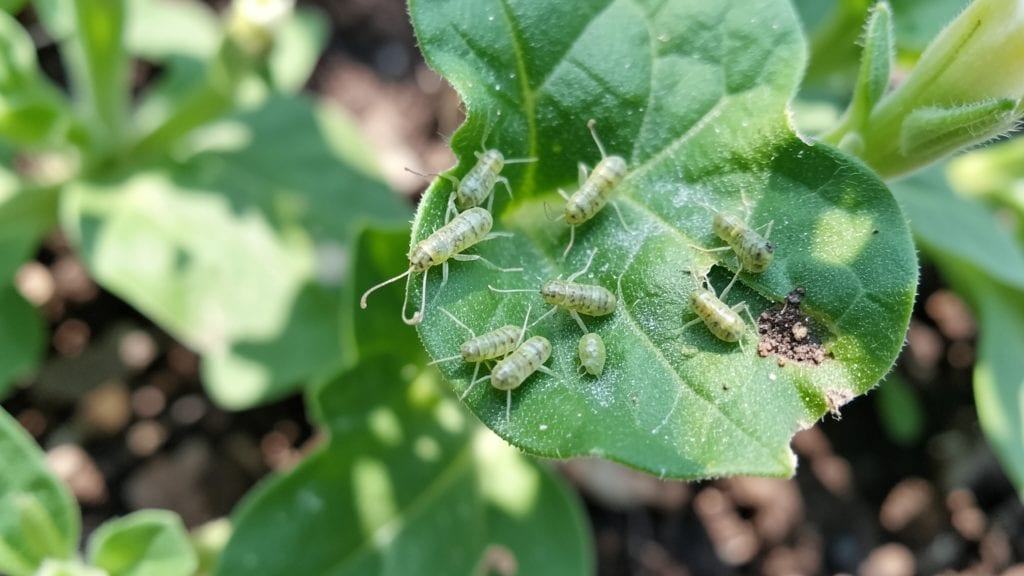
Bugs on petunia plants can turn your vibrant blooms into a pest party before you know it. 🌿 I’ve seen aphids cluster like tiny green snowballs on petunia leaves, and spider mites weave their webs so fine they look like dust—until the damage becomes obvious.
The good news? You don’t need harsh chemicals to save your plants.
Most of these pests—aphids, spider mites, and earwigs—love petunias because they’re soft, juicy, and full of sap. But the moment you spot tiny holes in leaves, sticky residue (aphid honeydew), or silvery webbing, it’s time to act. The key is catching them early before they spread to your other flowers.
With a few organic tools—neem oil, insecticidal soap, or even a strong spray of water—you can knock out these bugs without harming your petunias. I’ve used these methods for years, and my plants bounce back stronger, with bigger blooms than before. The secret? Consistent checks and quick action.
Prevention is just as important as treatment. Companion plants like marigolds or basil can deter pests naturally, and keeping your petunias healthy with proper watering and sunlight makes them less appealing to bugs. Let’s get those pests out of your garden for good!
Root Causes of Garden Pests
Petunias may seem like the picture-perfect addition to any garden—vibrant blooms, low maintenance, and a magnet for pollinators—but they’re also a buffet for pests. Understanding why these bugs show up is the first step to keeping your plants thriving. Let’s break down the science behind the infestation.
Petunias thrive in well-spaced environments with good airflow, but when they’re packed too tightly or struggling, they become weak targets for pests. Here’s how it happens:
- Poor airflow: Dense foliage traps moisture, creating a damp microclimate that attracts soft-bodied insects like aphids and whiteflies. These pests love humidity because it slows down natural predators (like ladybugs) and gives them easier access to sap.
- Nutrient deficiency: Plants deficient in nitrogen or phosphorus produce weaker stems and leaves, making them easier for chewers (like caterpillars) to devour. Yellowing leaves or stunted growth? That’s a red flag.
- Root stress: Overwatering or compacted soil restricts root growth, weakening the plant’s immune response. Stressed roots can’t support robust foliage, leaving gaps for pests to exploit.
Actionable fix: Space petunias 12–18 inches apart, mulch to retain moisture without soggy soil, and fertilize with a balanced 10-10-10 formula every 4–6 weeks.
Petunias are pollinator magnets, and while bees and butterflies are welcome, their presence can indirectly invite pests. Here’s the chain reaction:
- Nectar overload: Sweet nectar draws aphids, thrips, and spider mites, which feed on plant juices. These pests excrete honeydew, a sticky residue that attracts ants—and ants will aggressively protect aphids from predators.
- Egg-laying hotspots: Butterflies and moths lay eggs on petunia leaves, hatching into caterpillars that skeletonize foliage. The more flowers, the more potential hosts for pests like the tomato hornworm.
- Weakened defenses: Frequent pollinator visits can damage delicate petunia tissue, creating entry points for fungal infections (like powdery mildew), which further stress the plant and attract pests.
Actionable fix: Deadhead spent blooms regularly to reduce nectar availability, and introduce companion plants like marigolds or basil to repel pests naturally.
Pests don’t just appear—they hitchhike, migrate, or thrive in messy environments. Petunias are especially vulnerable if their surroundings are neglected:
- Debris buildup: Leaves, stems, and old mulch provide hiding spots for earwigs, slugs, and cutworms. These pests chew on young petunia shoots at night, leaving ragged edges.
- Weed competition: Weeds harbor pests like fleabeetles, which jump onto petunias and chew irregular holes in leaves. They also disrupt soil health, making plants more susceptible to infestations.
- Wildlife corridors: Untrimmed grass or overgrown borders create bridges for pests like Japanese beetles or stink bugs to march straight to your petunias.
Actionable fix: Clear fallen leaves and debris weekly, pull weeds within a 3-foot radius, and trim surrounding vegetation to break pest pathways.
Pests are opportunistic, and certain conditions make petunias irresistible. Temperature, humidity, and even seasonal shifts play a role:
- Warm, humid climates: Whiteflies and spider mites thrive in temperatures above 75°F (24°C) with high humidity. They reproduce rapidly, forming colonies that suck plant sap and spread viruses.
- Drought stress: Underwatered petunias wilt, becoming easier targets for aphids and thrips. Their weakened state can’t support natural defenses like resin or tougher leaf cuticles.
- Seasonal migrations: Pests like cabbage loopers or colorado potato beetles move to new hosts as old ones die back. Petunias in late summer/early fall become prime targets.
Actionable fix: Monitor soil moisture with a finger test (top inch dry = time to water), use shade cloth in peak heat, and rotate crops annually to disrupt pest life cycles.
💡 Pro Tip: Keep a garden journal to track pest patterns. Note when infestations spike (e.g., after rain or heatwaves) to predict and prevent future outbreaks.
Quick Fixes for Petunia Pests
Now that you know the culprits behind those unwelcome guests on your petunias, let’s tackle them head-on with effective, plant-safe solutions. Whether it’s chewing caterpillars, sap-sucking aphids, or pesky spider mites, these fixes will restore your blooms to their glory—without harsh chemicals.
Below, we’ve mapped out the best organic remedies for each pest, plus prevention tips to keep your petunias thriving long-term.
Problem: These critters chomp on leaves and flowers, leaving jagged holes or silvery slime trails.
🔥 Step 1: Handpick the Culprits
- When? Early morning or evening when pests are sluggish.
- How? Wear gloves and pluck caterpillars/beetles into soapy water. For slugs, use a flashlight to spot them at night and crush or relocate them.
🍳 Step 2: Spray with Homemade Repellent
Mix 1 tsp of dish soap + 1 tsp neem oil + 1 quart of water in a spray bottle. Apply to affected areas, focusing on undersides of leaves where eggs hide. Reapply every 3–4 days until pests vanish.
👨🍳 Step 3: Set Up Barriers
- For slugs: Create a coffee ground or diatomaceous earth ring around plants (reapply after rain).
- For beetles: Use row covers (fine netting) to block adult beetles from laying eggs.
💡 Pro Tip: Plant basil or marigolds nearby—their strong scents deter many chewing pests naturally!
Problem: Tiny invaders drain plant sap, causing yellowing leaves, sticky residue ("honeydew"), or webbing.
🥘 Step 1: Blast Them Off
- For aphids/whiteflies: Use a strong stream of water from a hose to knock them off leaves. Repeat 2–3 times weekly during outbreaks.
- For spider mites: Wipe leaves with a damp cloth to remove webbing and mites.
🔪 Step 2: Introduce Beneficial Insects
- Ladybugs (aphids’ nemesis) or lacewings (whitefly hunters) can be purchased online or from garden centers. Release them in the early morning for best results.
- Predatory mites (like Phytoseiulus persimilis) target spider mites—ideal for greenhouse petunias.
⏰ Step 3: Use Sticky Traps
Hang yellow sticky traps near plants to catch whiteflies and aphids. Replace every 1–2 weeks for maximum effectiveness.
🌡️ Pro Tip: Increase humidity (mist plants daily) to discourage spider mites, which thrive in dry conditions.
Problem: These slow-moving pests cluster in crevices, sucking juices and leaving behind a white, cottony residue or hard shells.
💡 Step 1: Scrape Them Off
- Use a soft toothbrush dipped in rubbing alcohol (70% isopropyl) to scrub off mealybugs and scale. Focus on leaf undersides and stems.
- For stubborn scale: Apply horticultural oil (like neem oil) directly to infested areas.
Cover the plant and leave for 4–6 hours, then rinse.
🎯 Step 2: Soap Spray for Prevention
Mix 2 tbsp insecticidal soap + 1 quart of water and spray every 5–7 days until no new pests appear. Avoid spraying in direct sunlight to prevent leaf burn.
✨ Pro Tip: Prune heavily infested leaves and dispose of them in a sealed bag to prevent reinfestation.
Keep your petunias pest-free with these easy habits:
- Rotate plants every few weeks to disrupt pest life cycles.
- Water at the base (not overhead) to reduce humidity around leaves, which deters mites and fungal issues.
- Inspect new plants before bringing them home—quarantine for 1–2 weeks to catch hitchhiking pests early.
- Encourage biodiversity: Plant dill, fennel, or alyssum nearby to attract predatory insects that hunt pests.
Remember: Consistency is key! Check your petunias weekly during growing season, and act at the first sign of trouble. With these methods, your petunias will stay lush, blooming, and bug-free—naturally! 🌸💚
Frequently asked questions
Why do aphids love my petunias so much?
Aphids adore petunias because their tender leaves are packed with sweet sap—like an all-you-can-eat buffet! These pests thrive in crowded plants where airflow is poor, creating a humid microclimate that slows down natural predators like ladybugs. Plus, their sticky honeydew attracts ants, which protect aphid colonies like bodyguards.
How do I tell if my petunias have spider mites?
Look for tiny yellow specks on leaves (mite feeding marks) and fine webbing in leaf crevices—like dusty cobwebs. Check undersides of leaves where mites hide. Severe infestations cause leaves to turn bronze or gray. Early signs include slow growth and a "sandy" texture on leaves when rubbed between fingers.
Can I use vinegar to kill bugs on petunias?
Neat vinegar (undiluted) is too harsh for petunias, but a 1:1 vinegar-water spray (with 1 tsp dish soap) can help against soft-bodied pests like aphids. Test on one leaf first—some varieties may show slight browning. For tougher pests, neem oil or insecticidal soap works better without risking plant damage.
Will my petunias recover if I remove all the bugs?
Yes! Petunias are resilient—if caught early, they'll bounce back with new growth within 2-3 weeks. Prune damaged leaves, apply organic treatments, and keep plants well-watered. For severe cases, fertilize lightly (use half-strength balanced fertilizer) to help recovery. Avoid overwatering, which stresses plants further.
Are there any petunia varieties that resist pests better?
Look for Supertunia or Wave series—they're bred for disease resistance and thicker foliage that deters pests. Varieties like 'Easy Wave Purple' or 'Supertunia Vista Bubblegum' often handle aphids and mites better. Always inspect new plants before planting to avoid bringing pests home.