
Planting
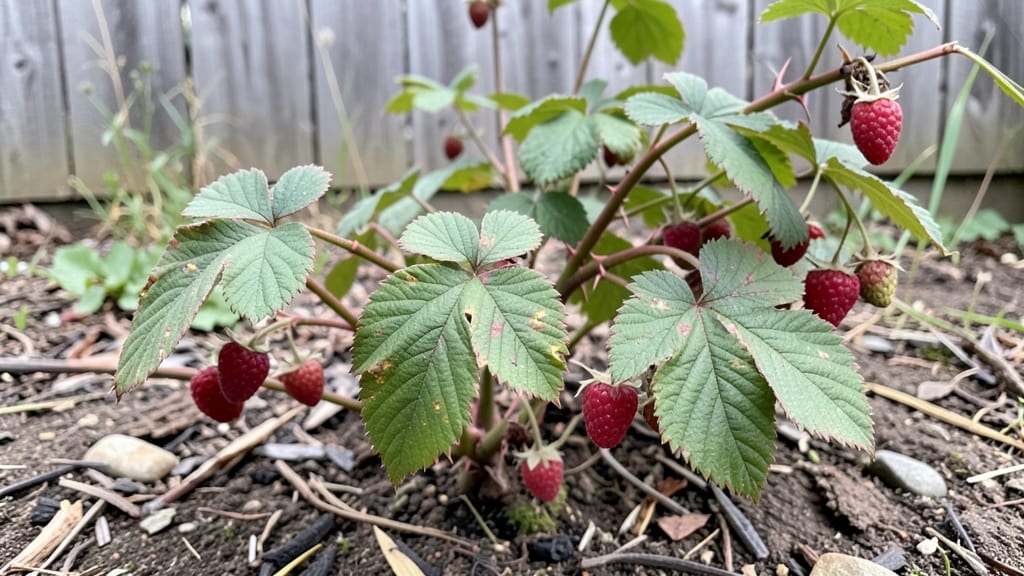
Growing a Brandywine raspberry plant means summer berries so sweet they taste like candy. 🌱 I planted mine last spring, and by July, the canes were heavy with fruit—no thorns, no fuss, just pure raspberry perfection.
These aren’t your average berries; they’re the size of golf balls and packed with flavor that makes store-bought ones taste bland.
The key to success starts with the right spot—full sun and well-draining soil are non-negotiable. Brandywine raspberries need space, so give them at least 5 feet between plants or rows.
They’re thirsty too, so consistent watering keeps those berries plump and sweet. Pruning in winter makes summer care a breeze, and the thornless canes mean no gloves required when harvesting.
By midsummer, you’ll be picking berries that burst with flavor, perfect for fresh eating or jams. The plants reward patience with heavy harvests for years, and their bushy growth makes them a standout in any garden. Just watch for powdery mildew—spraying neem oil early prevents most issues.
Works in zones 5-9, though southern gardeners may need shade in peak heat. Start with one plant, and you’ll be hooked—these raspberries are worth every inch of space. Ready to grow yours?
📚 In This Guide
- What you need
- Instructions
- Tips and common mistakes
- Wrapping up and next steps
What you need
- ● Brandywine raspberry plant: 1-2 bare-root canes or a 1-gallon container plant (check for disease-free, healthy roots).
- ● Garden soil or potting mix: 50 lbs (for in-ground planting) or 10 lbs (for containers). Use well-draining, organic-rich soil (amend with compost if needed).
- ● Fertilizer: Balanced fertilizer (10-10-10 or 5-10-10) – 1 lb for in-ground, ½ lb for containers.
- ○ Optional: Slow-release raspberry fertilizer or organic options like composted manure.
- ● Mulch: 2-3 inches of straw, wood chips, or pine needles (helps retain moisture and suppress weeds).
- ● Tools: Garden trowel or spade
- ● Pruners (sterilized with rubbing alcohol)
- ● Measuring tape or ruler (for spacing)
- ● Gloves (to protect hands from thorns!)
- ● Support system: Raspberry trellis (4-6 ft tall, T-posts or wire mesh)
- ● OR Strong stakes and twine (for smaller gardens).
- ● Location: Full sun (6-8 hours daily) and space (3-4 ft between plants, 6 ft between rows).
- ● Climate: Hardy in USDA Zones 4-9. Plant in early spring or fall (avoid extreme heat).
- ● Water source: Drip irrigation or hose with a gentle spray nozzle (raspberries need consistent moisture!).
- ● Soil pH: Aim for 5.5-6.5 (test kit recommended if unsure).
- ○ Optional but helpful: Soil moisture meter (to monitor watering needs)
- ● Row cover or shade cloth (for young plants in hot climates)
- ● Disease-resistant spray (like copper fungicide, if your area has fungal risks).
How to grow a thriving Brandywine raspberry plant
Here's how I get these prized raspberries to flourish—with fewer thorns and more berries than you'd expect.
🌱 Step 1: Select the Perfect Planting Spot
Brandywine raspberries need 6-8 hours of sunlight daily—more than most varieties. I always choose a site with morning sun and afternoon shade if your climate runs hot. The soil should drain well but stay moist, so avoid low spots where water pools after rain.
Test your soil's pH—these plants prefer slightly acidic to neutral (6.0-7.0). If your soil is heavy clay, mix in 2-3 inches of compost into the top 12 inches of soil before planting. I swear by this prep—it makes the difference between scraggly canes and bushy, productive plants.
🪴 Step 2: Plant Bare-Root Canes Correctly
Soak the bare-root canes in lukewarm water for 2-3 hours before planting to rehydrate the roots. Dig a trench 12-18 inches wide and 12 inches deep—wide enough to spread the roots without crowding. Place each cane in the trench with the roots fanned out naturally, not bent or twisted.
Cover the roots with soil, leaving the crown (where roots meet stems) 1-2 inches above ground level. This prevents rot and encourages strong root growth. Space canes 3-4 feet apart in rows 6-8 feet apart. I plant mine in a slight mound to improve drainage—just a gentle slope, nothing steep.
💧 Step 3: Water Deeply and Mulch Generously
Water the newly planted canes deeply right after planting—soak the soil until it’s 6 inches down. Raspberries have shallow roots, so consistent moisture is key. I water 2-3 times per week during the first growing season, aiming for 1 inch of water per week. Let the top 2 inches of soil dry between waterings to prevent root rot.
Spread 3-4 inches of organic mulch (like straw or wood chips) around each plant, keeping it 6 inches away from the crown. This locks in moisture, suppresses weeds, and keeps roots cool. Refresh the mulch every spring—it breaks down fast and loses effectiveness.
☀️ Step 4: Prune for Maximum Berries Next Season
In late winter or early spring, cut the old canes down to the ground—these are the primocanes that fruited last year. Leave the new, thinner canes (floricanes) standing; these will produce berries in 6-8 weeks. I prune in stages: first, remove any dead or diseased canes, then thin the remaining canes to 6-8 per plant for better air circulation.
Watch for suckers—those aggressive shoots growing from the roots. Remove them as soon as they appear, or they’ll steal energy from your fruit-bearing canes. I use pruning shears to cut suckers at ground level. This keeps the plant’s energy focused on producing those sweet, giant Brandywine berries.
✂️ Step 5: Harvest and Prepare for Winter
Pick berries when they’re fully red and plump—they won’t ripen further off the plant. I harvest in the morning when the fruit is coolest, using a pair of small pruning shears to snip the canes. Leave a 1-inch stem on each berry to preserve its quality. Harvest every 2-3 days during peak season to encourage more production.
After the first frost, cut all canes down to the ground again. Raspberries are hardy to USDA Zone 4, but a thick layer of mulch (up to 6 inches) protects the roots through winter. I also add a 1-inch layer of compost in early spring to feed the soil before new canes emerge.
Tips & tricks for perfect Brandywine raspberry plant care
Here's what I've learned after years of growing these legendary berries—simple secrets that make all the difference between a decent patch and a thriving raspberry jungle.
Sunlight Secret: Those 6-8 hours of sunlight are non-negotiable, but here's the trick: position your plants so they get morning sun and afternoon shade in hot climates. I've seen plants wilt dramatically when planted in full afternoon sun—especially in summer afternoons. If you're in a particularly hot zone, consider using shade cloth (30-50%) during peak heat hours to protect the berries from sunburn.
Root Revival Technique: Don't skip the 2-3 hour soak for bare-root canes—this is where most people go wrong. I've seen canes planted without soaking struggle for weeks to establish roots. Use lukewarm water (not cold) and check the roots occasionally—they should feel plump and flexible after soaking. Pro tip: Add a rooting hormone powder to the water for an extra boost.
Pruning Precision: When you're thinning canes to 6-8 per plant in Step 4, focus on keeping the strongest, most upright canes. I look for canes that are straight, have good color, and show signs of new growth at the base. Remove any canes that are leaning or crossing others—this improves airflow and reduces disease risk. And remember, those 6-8 weeks until harvest will fly by, so don't delay pruning!
Harvest Hack: For the sweetest berries, harvest in the morning when they're coolest. I've noticed a dramatic difference in flavor when I pick berries first thing—less tart, more complex. Also, use small pruning shears to snip the canes rather than pulling berries. This prevents damaging the plant and gives you that perfect 1-inch stem that preserves quality. Store harvested berries in the fridge for up to 3 days at their peak freshness.
Pro Tips for Brandywine Raspberry Plant
- Here's what I've learned after years of growing these legendary berries—simple secrets that make all the difference between a decent patch and a thriving raspberry jungle.
- Sunlight Secret: Those 6-8 hours of sunlight are non-negotiable, but here's the trick: position your plants so they get morning sun and afternoon shade in hot climates.
- Root Revival Technique: Don't skip the 2-3 hour soak for bare-root canes—this is where most people go wrong.
Frequently asked questions
Got questions about growing Brandywine raspberries?
You’re not alone! Here are answers to the most common queries to help you cultivate the sweetest, juiciest berries of the season.
How long does it take for a Brandywine raspberry plant to produce fruit?
A Brandywine raspberry plant typically takes 1–2 years to bear fruit after planting. Primocanes (first-year canes) usually produce berries in their second year, while floricanes (second-year canes) yield the bulk of your harvest. Patience pays off—once established, these plants thrive for 10+ years!
When is the best time to plant Brandywine raspberries?
Plant your Brandywine raspberries in early spring (as soon as the soil is workable) or early fall (4–6 weeks before your first frost). Avoid planting in extreme heat or winter, as young roots are sensitive. Fall planting gives roots time to establish before dormancy, often leading to earlier fruiting the next season.
Why aren’t my Brandywine raspberries ripening properly?
Several factors can delay ripening: insufficient sunlight (6+ hours daily), poor pollination (plant near other raspberries or flowers), or nutrient deficiencies (test soil pH; aim for 5.5–6.5). Overwatering or inconsistent moisture can also stress plants. Try hand-pollinating with a soft brush if bees are scarce, and mulch to retain even moisture.
Can I grow Brandywine raspberries in containers?
Yes! Brandywine raspberries adapt well to large containers (at least 18–24 inches deep) with drainage holes. Use a high-quality potting mix with compost, and choose a pot with a saucer to catch excess water. Opt for summer-bearing varieties (like Brandywine) in containers, as they handle root constraints better than fall-bearing types.
What pests or diseases should I watch for with Brandywine raspberries?
Common threats include:
- Japanese beetles and spotted wing drosophila (use row covers or organic sprays).
- Cane borers (prune infected canes immediately and treat with neem oil).
- Fungal diseases (like powdery mildew)—improve airflow, avoid overhead watering, and apply copper fungicide if needed.
Wrapping up and next steps
Growing a Brandywine raspberry plant is a rewarding journey that brings lush canes and deliciously sweet berries to your garden—often in just one season! With the right soil, sunlight, and care, you’ll enjoy a bountiful harvest that rivals store-bought flavors. 🌱✨
Now that you’re armed with the tips and answers to common questions, it’s time to roll up your sleeves and get planting! Start by selecting a prime spot in your yard, gather your supplies, and watch your raspberry patch thrive. Happy gardening—your taste buds (and neighbors!) will thank you.