
Companion Plants
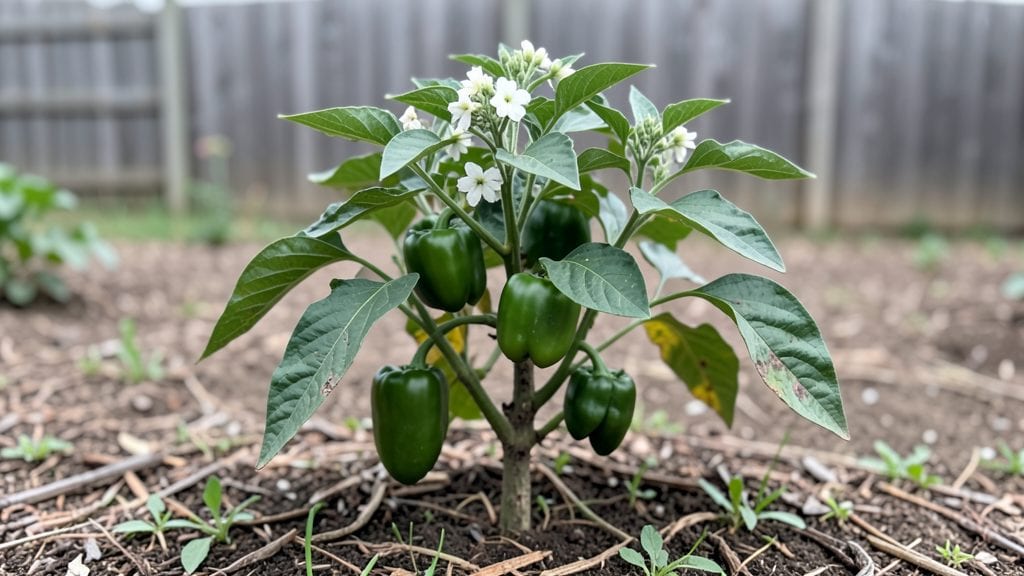
Bonnie pepper plants might sound like just another garden variety, but they’re actually the secret weapon for gardeners tired of blighted leaves and wasted effort. 🌱 I planted mine last spring after years of struggling with fungal diseases, and the difference was shocking—thick, glossy foliage that stayed healthy even in humid summers.
These aren’t just disease-resistant; they’re downright stubborn about staying productive.
The real magic happens when you match their needs: rich, well-draining soil with compost mixed in, full sun for at least 6 hours daily, and consistent watering that keeps roots moist but never soggy.
Bonnie peppers reward patience with heavy yields—I’ve pulled 6-8 peppers per plant in a single harvest, and they keep producing until frost. The key is spacing them 18-24 inches apart so air circulates and diseases can’t take hold.
You’ll know you’re doing it right when the plants start flowering, then swell with fruit that goes from green to red in 70-80 days. The flavor? Sweet with just a hint of heat, perfect for stuffing, grilling, or fresh slicing.
Even my neighbor—who swore by store-bought peppers—now begs for my extras. The best part? These plants handle heat and humidity better than most varieties, making them ideal for Southern gardeners or anyone with a hot summer.
Fair warning: Bonnie peppers will grow fast, so check for ripe fruit every 3-4 days once they start coloring. And if you’re growing in containers, plan for at least 5-gallon pots—their roots get hungry.
Once you try them, you’ll never go back to varieties that fight you every step of the way.
📚 In This Guide
- What you need
- Instructions
- Tips and common mistakes
- Wrapping up and next steps
What you need
- ● Bonnie Pepper Seeds: 10–20 seeds (or 3–5 plants if starting with transplants). Choose disease-resistant varieties like Bonnie Best or Bonnie Bell.
- ● Containers or Garden Bed: For containers: 5–7 gallon pots (1 per plant) with drainage holes.
- ● For garden beds: Well-draining soil in a sunny spot (6+ hours of sunlight daily).
- ● Potting Mix: 1–2 bags of high-quality, sterilized potting soil (or garden soil amended with compost).
- ● Fertilizer: Balanced 10-10-10 or 5-5-5 organic fertilizer (follow package instructions for application rates).
- ○ Optional boost: Calcium-rich fertilizer (e.g., crushed eggshells or lime) to prevent blossom-end rot.
- ● Watering Can or Hose: With a gentle spray nozzle for even moisture.
- ● Mulch: Straw or shredded leaves (2–3 inches) to retain moisture and suppress weeds.
- ○ Gloves & Hand Trowel: For planting and soil prep (optional but recommended!).
- ● Pruning Shears: For trimming dead leaves or shaping plants.
- ○ Support Stakes or Cages: 3–4 ft tall (optional but helpful for larger varieties).
- ● pH Test Kit: To ensure soil pH is 6.0–6.8 (peppers thrive in slightly acidic soil).
- ○ Companion Plants (Optional but Beneficial): Basil, marigolds, or onions to deter pests.
- ● Avoid planting near fennel or beans (they stunt pepper growth).
Step-by-step guide to growing Bonnie pepper plants for maximum yield
Here’s how I grow Bonnie peppers—disease-resistant, high-yielding, and foolproof for busy gardeners.
🌱 Step 1: Start Seeds Indoors at the Right Time
Bonnie peppers thrive when started indoors 8-10 weeks before your last frost date. Fill 2-inch-deep seed trays with sterile seed-starting mix and sow seeds ¼ inch deep, spacing them ½ inch apart. I use a seedling heat mat set to 75-80°F—this ensures 90% germination within 7-14 days. Without heat, germination slows dramatically, and seedlings may emerge unevenly.
Keep the soil consistently moist but never soggy. A spray bottle works best—overwatering at this stage causes damping-off, a fungal disease that collapses seedlings overnight. Place trays under grow lights (or a south-facing window) for 12-14 hours daily. Weak light leads to leggy, spindly plants that never recover strength.
☀️ Step 2: Harden Off and Transplant Outdoors
Two weeks before transplanting, start hardening off seedlings by moving them outdoors for 1-2 hours daily, gradually increasing exposure. Bonnie peppers are sensitive to cold snaps—wait until nighttime temperatures stay above 55°F. Choose a sunny, sheltered spot with 6+ hours of direct light and well-draining soil.
Dig holes twice as wide as the root ball and space plants 18 inches apart (or 24 inches in containers). Bury stems slightly deeper than in the tray—this encourages stronger root growth. Water deeply immediately after planting to settle soil around roots. Mulch with 2-3 inches of organic mulch to retain moisture and suppress weeds.
💧 Step 3: Water and Fertilize for Peak Production
Bonnie peppers need consistent moisture—water 1-1.5 inches per week, more during fruit set. I water at the base in the morning to prevent fungal issues. Avoid wetting leaves, especially in humid climates. Use a drip irrigation system or soaker hose for even moisture without stressing plants.
Fertilize every 2-3 weeks with a balanced, water-soluble fertilizer (10-10-10) once flowers appear. Too much nitrogen early on delays fruiting. Watch for yellowing leaves—this signals overwatering or nutrient imbalance. Bonnie peppers are disease-resistant, but powdery mildew can still appear in crowded or high-humidity conditions. Space plants properly and prune lower leaves to improve airflow.
✂️ Step 4: Prune and Harvest for Continuous Yield
Pinch off flower buds on the first 6-8 inches of growth to encourage bushier plants. This redirects energy to stronger stems and more fruit later. Once plants are established, remove suckers (side shoots in leaf axils) to focus energy on fruit production. Bonnie peppers produce both sweet and spicy fruits—harvest when they reach 3-4 inches long for best flavor.
Pick peppers every 2-3 days during peak season to stimulate more production. Store unripe peppers in a cool, dark place to ripen slowly. If birds or pests become an issue, cover plants with floating row covers or use neem oil as a preventive spray. With proper care, Bonnie plants yield 10-15 peppers per plant—double what many varieties produce!
Tips & tricks for perfect Bonnie pepper plants
These insider secrets will help you maximize your Bonnie pepper harvest—from seedling to bountiful harvest.
Heat Mat Strategy: The 75-80°F heat mat temperature is non-negotiable for Bonnie peppers. Without it, germination can take 2-3 weeks instead of the standard 7-14 days. I've seen seedlings emerge unevenly when heat drops below 70°F—some pop up in 5 days while others take 20. Keep that heat mat running consistently until you see sprouts, then reduce to 65-70°F once seedlings have their first true leaves.
Lighting Secret: Those 12-14 hours of daily light are critical, but quality matters more than quantity. If using grow lights, position them 2-3 inches above seedlings—closer than you might think. I use full-spectrum LED lights on a timer, but even a south-facing window works if you rotate trays daily to prevent leaning. Watch for leaves turning pale yellow—this signals insufficient light intensity.
Transplant Timing: The two-week hardening off period is your secret weapon against transplant shock. Start with just 1-2 hours of outdoor exposure, then gradually increase by 30 minutes each day. Bonnie peppers hate cold snaps—never transplant when nighttime temps dip below 55°F. I've lost entire batches when I rushed this step during cool spring evenings. Wait until your local forecast consistently shows 55°F+ nights for at least 5 days.
Pruning Precision: When pinching those first flower buds at 6-8 inches, aim for the top two sets of leaves to encourage bushier growth. This might feel counterintuitive since you want fruit, but it actually doubles your yield later. Once established, remove suckers (those little side shoots) consistently—they drain energy that could go to fruit production. I prune suckers every 2-3 weeks during peak growing season to maintain plant vigor.
Pro Tips for Bonnie Pepper Plants
- These insider secrets will help you maximize your Bonnie pepper harvest—from seedling to bountiful harvest.
- Heat Mat Strategy: The 75-80°F heat mat temperature is non-negotiable for Bonnie peppers.
- Lighting Secret: Those 12-14 hours of daily light are critical, but quality matters more than quantity.
Frequently asked questions
Got questions about growing Bonnie Pepper plants?
You’re not alone! Whether you’re a seasoned gardener or just starting, these answers will help you cultivate a thriving harvest with ease.
How long does it take for Bonnie Pepper plants to produce fruit?
Bonnie Pepper plants typically take 60–75 days from transplanting to maturity, depending on your climate. In warmer regions, you might see peppers as early as 50–60 days. Planting in late spring or early summer ensures optimal growth and faster fruiting.
Can Bonnie Peppers be grown in containers?
Bonnie Peppers thrive in containers as long as the pot is at least 12–18 inches deep and has proper drainage. Use a high-quality potting mix rich in organic matter, and place the container in a spot with 6–8 hours of sunlight daily. Just keep an eye on watering—containers dry out faster!
Why are my Bonnie Pepper leaves turning yellow?
Yellowing leaves are often a sign of overwatering, nutrient deficiency, or fungal issues. Check the soil moisture—it should be damp but not soggy. If the problem persists, test your soil’s pH (ideal: 6.0–6.8) and consider adding compost or a balanced fertilizer. Yellow edges may also indicate underwatering or salt buildup.
What companion plants pair well with Bonnie Peppers?
Bonnie Peppers love companions like basil, marigolds, and onions, which deter pests and improve flavor. Avoid planting near fennel or brassicas (like cabbage), as they can stunt pepper growth. Interplanting with nasturtiums also helps repel aphids naturally!
Can Bonnie Peppers survive light frosts?
Nope! Bonnie Peppers are tender annuals and can’t tolerate frost. Plant them after the last frost date in your area (typically late spring). If you’re in a cooler climate, start seeds indoors 8–10 weeks early and transplant when soil temps reach 60°F+. A row cover can offer early-season protection.
Wrapping up and next steps
Growing Bonnie Pepper Plants is a rewarding way to enjoy a bountiful, disease-resistant harvest with minimal fuss! 🌱 Their hardiness and high yields make them perfect for both beginners and seasoned gardeners. Whether you're adding them to your veggie patch or experimenting with companion planting, these peppers are a game-changer.
Ready to take the next step? Start by selecting your Bonnie Pepper Plants today and give your garden a flavorful, resilient boost. Happy planting—and may your harvest be plentiful! 🌿🍅