
Companion Plants
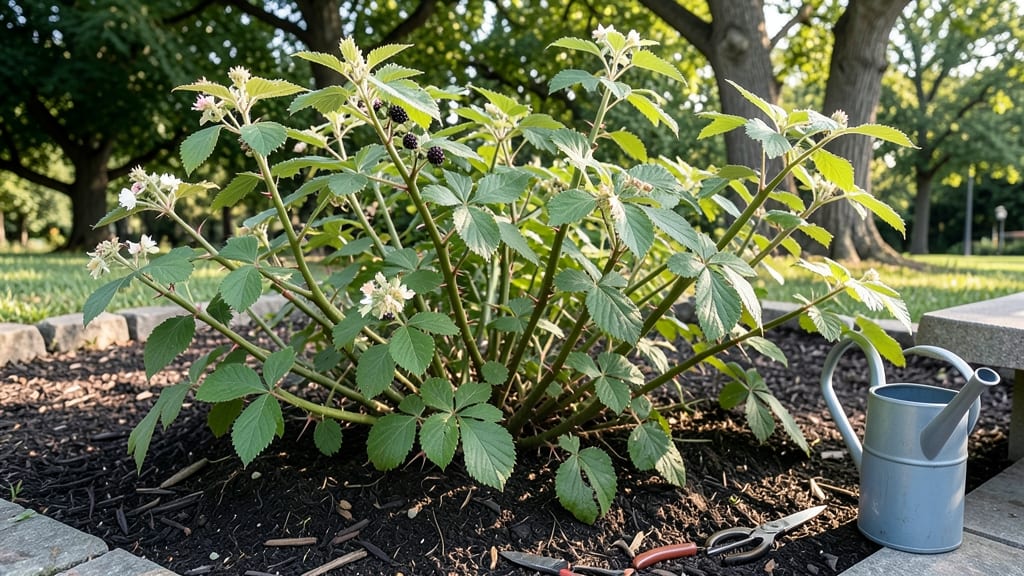
My Brazos blackberry plants produce pound after pound of sweet berries with almost no pruning—once you get the setup right. I planted mine last spring, and by summer they were already sending out long, vigorous canes that barely needed my attention beyond occasional trimming.
The key isn’t complicated: full sun, well-draining soil, and a little patience while the vines establish themselves.
These blackberries are thornless, which makes harvesting a breeze, and they thrive in zones 5 through 9, so they adapt well to most home gardens. You’ll want to space them about 4 feet apart in rows, giving them room to spread without crowding.
The first year focuses on root growth, so hold off on heavy pruning—just remove any dead or diseased canes to keep the plant healthy.
By the second year, you’ll see those canes thicken and produce fruit in abundance. The berries are large, glossy, and burst with flavor, often ripening in late June or early July depending on your climate.
With minimal pruning in winter—just cutting back old canes—you’ll encourage new growth that bears fruit the following season.
They’re also surprisingly low-maintenance once established, making them perfect for gardeners who want big rewards with minimal effort. Whether you’re growing them along a fence or in a dedicated bed, Brazos blackberries deliver year after year with almost no fuss.
📚 In This Guide
- What you need
- Instructions
- Tips and common mistakes
- Wrapping up and next steps
What you need
- ● Brazos blackberry plants: 2–3 healthy, disease-free canes (bare-root or potted). Look for certified plants from reputable nurseries.
- ● Well-draining soil: A mix of 60% topsoil, 30% compost, and 10% perlite or sand (pH 5.5–6.5). Test your soil for acidity if needed.
- ● Fertilizer: A balanced 10-10-10 or organic option like fish emulsion (apply at planting and mid-season).
- ● Mulch: 2–3 inches of straw or wood chips to retain moisture and suppress weeds.
- ● Support system: T-trellis, wire fence, or sturdy posts (8–10 feet tall) for climbing canes.
- ● Garden trowel or shovel for planting.
- ● Pruning shears (sterilized with rubbing alcohol).
- ● Watering can or hose with a gentle nozzle (deep watering 1–2 times weekly).
- ● Gloves (to protect from thorns!).
- ○ String or zip ties (optional, for securing canes to trellis).
- ● Drip irrigation system for consistent moisture.
- ● Black plastic mulch to warm soil in early spring.
- ● Epsom salt (magnesium sulfate) for leaf health (1 tbsp per plant monthly).
- ● Companion plants: Strawberries, borage, or marigolds to deter pests.
Step-by-Step instructions for planting and caring for Brazos blackberry plants
Here’s how to establish strong, productive Brazos blackberry vines that reward you with fruit year after year.
Choose the Right Planting Location and Prepare the Soil
Brazos blackberries thrive in full sun—select a spot that receives at least 6-8 hours of direct sunlight daily. Avoid low-lying areas where cold air settles, as these vines are sensitive to frost damage. The soil should drain well but retain moisture, so work in 2-3 inches of compost to improve texture and fertility. I like to test the soil by squeezing a handful—it should crumble easily when dry but hold together when damp.
If your soil is heavy clay, mix in 1-2 inches of coarse sand or perlite to prevent waterlogging. Brazos blackberries hate soggy roots, so a slight mound (about 6 inches high) helps with drainage. Mark the planting area with stakes or spray paint to visualize the 4-foot-wide bed needed for each plant, allowing room for vines to spread.
Plant the Brazos Blackberry Crown Correctly
Dig a hole twice as wide as the root ball but no deeper—Brazos blackberries prefer to sit just below the soil line. Gently loosen the roots if they’re circling tightly, then place the plant so the crown (where stems meet roots) sits 1 inch above soil level. This prevents rot and ensures healthy regrowth.
Backfill with the amended soil, pressing lightly to remove air pockets but avoiding compaction. Water deeply right after planting to settle the soil and encourage root contact. You’ll know it’s done right when the soil surface looks slightly firm but still allows water to penetrate. Mulch with 2-3 inches of shredded bark or straw to retain moisture and suppress weeds.
Establish a Support System for Healthy Growth
Brazos blackberries produce thornless canes, making them easier to manage than traditional varieties. Install a 4-foot-tall trellis or wire fence within 2 weeks of planting to guide vines upward. I use T-posts with 12-gauge wire stretched horizontally—this keeps canes off the ground, improves air circulation, and makes harvesting easier.
Train the primary canes along the support as they grow, tying them loosely with soft plant ties. Avoid wrapping too tightly, as canes thicken over time. Prune any side shoots that form on the lower half of the plant to encourage energy toward fruit production. By mid-summer, you’ll see strong, upright canes ready for fruiting.
Water and Fertilize for Maximum Fruit Production
Water deeply 1-2 times per week, aiming for 1-1.5 inches of water total. Brazos blackberries are drought-tolerant once established, but consistent moisture during flowering and fruiting (spring through summer) ensures larger berries. Check soil moisture by sticking your finger 2 inches deep—water when it feels dry.
Apply a balanced 10-10-10 fertilizer in early spring and again after harvest. I scatter ½ cup per plant around the base, then water it in to prevent root burn. Avoid high-nitrogen fertilizers in summer, as they promote leafy growth at the expense of fruit. Instead, switch to a low-nitrogen, high-phosphorus formula (like 5-10-10) to boost flowering.
Prune Strategically for Continuous Harvests
Brazos blackberries produce fruit on floricanes—second-year canes. In late winter (before buds swell), prune out all dead, diseased, or weak canes, cutting them back to the ground. Leave 6-8 of the strongest, most vigorous canes per plant, as these will bear fruit this season. You’ll see new canes emerging from the base in spring—these will fruit next year.
During the growing season, remove any suckers (shoots growing from the base) to focus the plant’s energy on established canes. Thin fruit clusters to 1-2 berries per stem if they’re crowded—this prevents overloading and improves size. With minimal pruning, Brazos blackberries reward you with thornless, sweet berries from early summer through fall.
Tips & tricks for thriving Brazos blackberry vines
A few key insights will help you avoid common pitfalls and maximize your Brazos blackberry harvest.
Sunlight and Soil Secrets: In Step 1, when choosing your planting location, pay special attention to the 6-8 hours of sunlight requirement. I've found that morning sun combined with afternoon shade works best in hot climates—this prevents leaf scorch while still providing enough energy for fruit production. For the soil test, if your soil feels sticky or forms a tight ball when squeezed, it's too clay-heavy and needs more sand or perlite as mentioned. The 2-3 inches of compost should be well-mixed into the top 6 inches of soil, not just spread on top.
Planting Precision: The crown placement in Step 2 is critical—never bury it more than 1 inch below soil level. I've seen many gardeners accidentally plant too deep, which leads to crown rot. After backfilling, gently press the soil with your hands rather than stomping, which can compact it too much. The mulch layer should be spread evenly but kept 2-3 inches away from the plant stem to prevent moisture buildup that could cause rot.
Support System Strategy: When establishing your trellis in Step 3, don't wait until the vines are already growing wild. Installing within 2 weeks of planting gives the vines proper guidance from the start. For the wire setup, I recommend using 14-gauge wire instead of 12-gauge—it's still strong but more flexible for training young canes. The horizontal wires should be spaced about 12 inches apart vertically to accommodate the plant's growth.
Watering Wisdom: The 1-1.5 inches of water per week in Step 4 is a guideline, but timing matters just as much. Water in the early morning to reduce evaporation and fungal risks. If you're using drip irrigation, place emitters at the base of the plant but avoid wetting the leaves. During fruiting season, you might need to increase to 2 inches per week, especially in containers or sandy soils that drain quickly.
Pro Tips for Brazos Blackberry Plants
- A few key insights will help you avoid common pitfalls and maximize your Brazos blackberry harvest.
- Sunlight and Soil Secrets: In Step 1, when choosing your planting location, pay special attention to the 6-8 hours of sunlight requirement.
- Planting Precision: The crown placement in Step 2 is critical—never bury it more than 1 inch below soil level.
Frequently asked questions
Got questions about growing Brazos blackberry plants? You’re not alone! Here are answers to the most common queries to help you cultivate thriving vines with ease.
How long does it take for Brazos blackberries to produce fruit?
Patience is key! Brazos blackberries typically start producing fruit 1–2 years after planting. With proper care—like adequate sunlight (6+ hours/day) and well-draining soil—they’ll reward you with sweet, thornless berries by their second summer. Pro tip: Mulch around the base to retain moisture and speed up fruiting!
Do Brazos blackberries need heavy pruning, or is minimal care enough?
One of their biggest perks is low-maintenance pruning! Unlike traditional varieties, Brazos blackberries thrive with minimal trimming. Focus on removing dead or diseased canes in late winter and thinning crowded growth in early spring. Use sharp shears and disinfect them between cuts to prevent spread of pests.
What’s the best climate for Brazos blackberries, and can they handle heat?
Brazos blackberries are heat-tolerant and adaptable, flourishing in USDA Zones 5–10. They prefer warm days (70–85°F) and cool nights for optimal flavor. In hot climates, provide afternoon shade and consistent watering (1–2 inches per week) to prevent stress. Drip irrigation works best to avoid wetting leaves and reducing fungal risks.
What pests or diseases should I watch for, and how do I treat them?
Brazos blackberries are resistant to many common issues, but keep an eye out for spider mites, aphids, or powdery mildew. Treat mites with a strong spray of water or neem oil; aphids can be wiped off with soapy water. For mildew, prune for airflow and apply fungicide if needed. Always remove and destroy heavily infected leaves!
Can I grow Brazos blackberries in containers, or do they need a garden bed?
Brazos blackberries adapt well to large containers (15+ gallons) as long as they have drainage holes and room to spread (5–6 feet wide). Use a high-quality potting mix and fertilize regularly. Place containers in a sunny spot and rotate them occasionally for even growth. Just avoid overcrowding—thin canes as needed!
Wrapping up and next steps
Growing Brazos Blackberry plants is a rewarding journey—these low-maintenance vines deliver sweet, juicy berries with just a little care! 🌱 By providing the right soil, sunlight, and minimal pruning, you’ll enjoy bountiful harvests year after year.
Whether you’re a beginner or a seasoned gardener, these hardy plants make blackberry cultivation simple and satisfying.
Ready to get started? Pick your spot, prep the soil, and plant your Brazos Blackberries today! With patience and a little love, you’ll soon be savoring homegrown berries straight from your garden. Happy growing! 🍇