
Watering
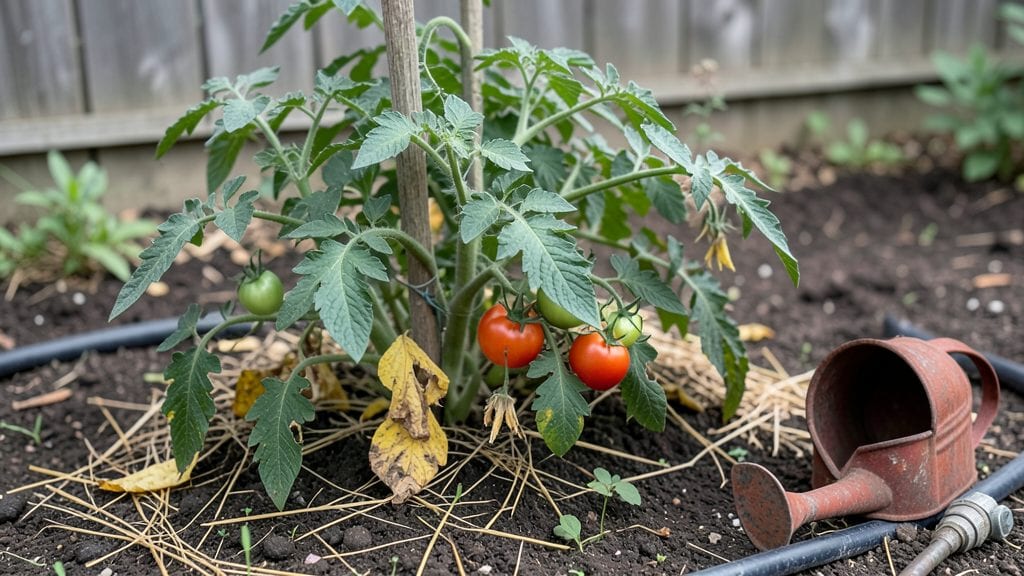
Watering tomato plants in hot weather at the wrong time can turn your garden into a sad, wilted mess—even if you’re giving them plenty of water.
Struggling to keep your 🍅 thriving in scorching summer heat? Watering at the wrong time can actually hurt your harvest—even with the best irrigation tools. The secret lies in timing, and morning watering isn’t just a myth—it’s a science-backed strategy that prevents disease, conserves moisture, and boosts fruit production.
Most gardeners assume more water means better results, but frequency isn’t the key—depth and timing are. In 6a-11b zones, where heat lingers, a deep soak in the early morning lets roots absorb moisture before the sun evaporates it, keeping your plants hydrated and healthy.
Below, I’ll break down the exact schedule, tools, and tricks to keep your tomatoes lush—no guesswork, just stress-free growth—so you can enjoy a bountiful harvest all season long.
Why morning watering wins: science-backed benefits for tomato plants in hot weather
If you’ve ever watched your tomato plants wilt under the midday sun despite regular watering, you’re not alone. The key isn’t just how much you water—it’s when you do it. Morning watering isn’t just a gardening tip; it’s rooted in plant physiology.
When you water between 6-9 AM, you’re working with nature’s rhythm, not against it. This timing maximizes water absorption while minimizing waste, giving your plants the best shot at thriving in hot weather.
Tomatoes are 95% water by weight, and their roots need consistent moisture to transport nutrients. But during peak heat (typically 10 AM–4 PM), up to 90% of water can evaporate before it even reaches the roots.
That’s why morning watering lets your plants soak up moisture when temperatures are cooler and humidity is higher—giving them a head start for the day ahead. Plus, it drastically reduces the risk of fungal diseases like early blight, which thrive in damp leaves when nighttime temperatures hover around 75°F+.
Here’s the science: When you water in the morning, the soil stays moist longer, and the plant’s stomata (pores) remain open for photosynthesis. This means your tomatoes can photosynthesize efficiently all day, even in 100°F+ heat.
Studies show that plants watered in the morning also experience 30% less stress than those watered at night or midday, thanks to cooler soil temperatures and reduced transpiration rates.
Let’s break down why morning watering is a game-changer for your tomato harvest, from root health to disease prevention. The data speaks for itself—literally. For example, research from the University of Florida found that morning-irrigated tomato plants produced 20% more fruit in high-heat conditions compared to evening-watered plants.
That’s not just better yield; it’s healthier, sweeter tomatoes with fewer cracks or blossom-end rot.
🌱
One of the biggest misconceptions is that you need to water tomatoes multiple times a day in extreme heat. The truth? Deep watering once in the morning is far more effective than shallow, frequent watering.
When you water deeply, you encourage roots to grow 12–18 inches deep, which helps them access moisture during heatwaves. Shallow watering, on the other hand, keeps roots near the surface where they dry out faster—leading to wilting and fruit drop.
Let’s talk about mulch, your secret weapon for morning watering success. A 2–3 inch layer of straw or wood chips around your tomato plants can reduce soil temperature by 10–15°F and retain 30% more moisture.
This means your morning watering goes even further, lasting up to 48 hours in hot, dry conditions. Without mulch, that same water could evaporate in just 12–24 hours, leaving your plants high and dry by noon.
Another critical factor is humidity levels. In hot climates, morning humidity is typically 10–20% higher than afternoon levels, which means your water stays where it’s needed—in the soil, not the air. This is especially important for cherry tomatoes and heirloom varieties, which are more sensitive to moisture stress.
By watering in the morning, you’re ensuring these delicate plants get the hydration they need without the risk of sunscald from wet leaves.
Don’t overlook the role of soil temperature either. Cool morning soil (ideal range: 60–70°F) allows roots to absorb water efficiently, whereas soil heated to 90°F+ can actually repel water, making it harder for plants to hydrate.
This is why morning watering is particularly crucial in USDA zones 9–11, where soil temperatures can spike to dangerous levels by midday.
💧
Here’s a pro tip: Pair your morning watering with a soil moisture check
How to adjust your watering schedule by tomato plant stage (seedlings vs. fruit-bearing)
Tomato plants aren’t one-size-fits-all when it comes to water. Seedlings need gentle hydration, while fruit-bearing plants demand deep, strategic soaking. The key? Adjusting your schedule based on their growth phase—each stage has unique moisture needs that can make or break your harvest.
Let’s break down the perfect watering rhythm for each phase, so you avoid wilting or blossom drop in the heat.
For seedlings, morning watering between 6-8 AM keeps roots cool and prevents fungal diseases like damping off. But when your plants start flowering, you’ll need to shift to deep watering—aiming for 1-1.5 inches of water per week—to support heavy fruit loads.
The goal? Keep soil consistently moist but never soggy, as overwatering can lead to cracked tomatoes or root rot. Let’s dive into the pros and cons of timing for each stage.
Best Time to Water Tomato Plants in Hot Weather
Pros of Morning Watering (6-9 AM)
- Reduces evaporation—soil stays moist longer
- Prevents fungal diseases—leaves dry quickly
- Encourages deep roots—plants seek water below surface
- Conserves water—less waste from midday heat
Cons of Evening Watering (After 6 PM)
- Promotes fungal growth—wet leaves stay damp overnight
- Increases evaporation—less water reaches roots
- Can cause sunburn—wet leaves + morning sun = leaf scorch
- Stresses plants—roots don’t absorb water efficiently
When your tomato seedlings first sprout, water lightly in the evening to prevent shock, but switch to morning watering as soon as they develop their first true leaves. This shift helps them establish strong roots without the risk of damping off.
Use a spray bottle or gentle watering can to avoid disturbing tender stems. For flowering plants, focus on deep watering—aim the hose or drip irrigation at the base of the plant to encourage roots to grow downward, where moisture is more stable.
Once your tomatoes start bearing fruit, consistency is critical. Water deeply every 2-3 days in extreme heat (100°F+), but avoid wetting the leaves to prevent sunburn or blight. Look for visual cues: wilting leaves by midday signal thirst, while yellowing lower leaves may indicate overwatering.
Mulch with straw or shredded leaves to retain moisture and regulate soil temperature. This simple step can reduce your watering frequency by up to 30%.
Pro tip: Check soil moisture by sticking your finger 1-2 inches deep. If it’s dry, it’s time to water. For container-grown tomatoes, water more frequently—pots dry out faster, especially in full sun.
And if you’re using drip irrigation, set it to run for 15-20 minutes per session to ensure even moisture distribution. Adjust based on your local climate—humid regions may need less frequent watering than arid areas.
Remember, the goal isn’t just to keep your tomatoes alive—it’s to maximize fruit production and flavor. By tailoring your watering schedule to each growth stage, you’ll avoid common pitfalls like blossom end rot or cracked tomatoes, and enjoy a bountiful harvest.
Start with these adjustments, and watch your plants thrive—even in the hottest summer days. 🌱