Propagation
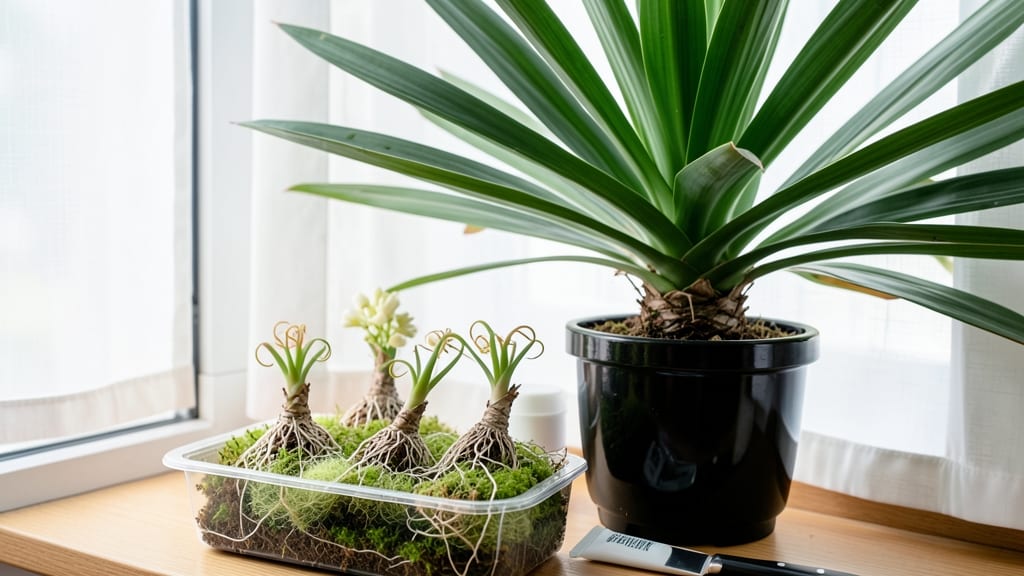
Propagating a pandan plant from stem cuttings is one of those gardening wins that feels like magic—you take a simple piece of stem and grow a whole new plant. 🌱 I’ve rooted dozens this way, and the best part?
You don’t need fancy equipment or a green thumb to make it happen. The key is patience and keeping those cuttings happy in water or soil until roots take hold.
You’ll need just a few things: sharp scissors or pruning shears, clean water or well-draining potting mix, and a warm spot with bright, indirect light. Pandan cuttings root best in temperatures between 70°F and 85°F, so a kitchen windowsill or a greenhouse works perfectly.
The trick is to keep the cutting moist but not soggy—rot is the enemy here, and it happens faster than you’d think.
Within 4 to 6 weeks, you’ll start seeing tiny roots forming, and once they’re a couple of inches long, you can transplant your new pandan into soil. These plants grow fast once established, and their fragrant leaves make them a standout in any kitchen or garden.
The best part? You’ll have a backup plant if something happens to your original.
If your cuttings aren’t rooting, don’t panic—low humidity or poor light could be the culprit. A simple plastic bag over the cutting creates a mini greenhouse effect, and moving it closer to the light often does the trick.
Once you master this, you’ll be sharing pandan cuttings with friends, and that’s a win for everyone.
📚 In This Guide
- What you need
- Instructions
- Tips and common mistakes
- Wrapping up and next steps
What you need
- ● Pandan plant: A healthy, mature plant (3+ years old) with thick, woody stems (1/2"–1" diameter).
- ● Sharp pruning shears or knife: Sterilized to prevent disease (rubbing alcohol works!).
- ● Stem cuttings: 4–6 healthy, node-bearing stems (4–6 inches long).
- ○ Rooting hormone (optional but recommended): A powder or gel (e.g., rooting hormone for woody plants).
- ● Water propagation: Clear glass or jar (wide-mouth, 8–12 oz).
- ● Filtered or room-temperature water.
- ● Soil propagation: Well-draining potting mix (e.g., cactus/succulent mix + perlite).
- ● Small pots (3–4 inches in diameter) with drainage holes.
- ● Humidity dome or plastic bag: To retain moisture during rooting.
- ● Peat moss or sphagnum moss: For extra moisture retention in soil.
- ● Grow lights or bright indirect sunlight: If propagating indoors (pandan loves light!).
- ● Fungicide (e.g., neem oil): To prevent rot if cuttings look waterlogged.
Step-by-Step instructions for propagating pandan plants
Here’s the foolproof method to root your pandan plant in water or soil—guaranteed to work!
🌱 Step 1: Select and Prepare Healthy Stem Cuttings
Choose a mature stem with at least 3-4 leaves and 2-3 inches of length. Use clean, sharp scissors to cut just below a leaf node—this is where roots will sprout. I like to make the cut at a 45-degree angle for better root growth. Let the cut end dry for 10-15 minutes to prevent rot before placing it in water or soil.
If your pandan stem is woody, you can cut it into 2-inch sections, ensuring each has at least one leaf node. Avoid using stems that look yellowed or mushy—they won’t root well. Here’s the thing: fresh, green stems root the fastest, so don’t wait too long after cutting!
💧 Step 2: Root in Water (Fastest Method)
Fill a clean glass or jar with room-temperature water, leaving at least 1 inch of stem above the waterline. Change the water every 3-4 days to prevent bacterial growth. Place the jar in bright, indirect light—direct sun can overheat the water and stress the cutting.
You’ll see tiny white roots appear in 2-4 weeks, but be patient if it takes longer. Once roots reach 1-2 inches, your cutting is ready to plant in soil. I know it seems slow, but rushing this step often leads to weak roots that break easily.
🪴 Step 3: Plant in Soil (Direct Method)
Fill a small pot with well-draining potting mix and make a hole deep enough to bury half the stem. Gently press the soil around the cutting to secure it, leaving the top leaves exposed. Water lightly until moisture seeps out the drainage hole—this ensures the roots get hydrated without drowning.
Keep the soil evenly moist (not soggy) by misting daily until new growth appears. Place the pot in bright, indirect light—pandan thrives in humidity, so a bathroom or kitchen with natural light works great. You’ll know it’s taking root when new leaves emerge in 4-6 weeks!
☀️ Step 4: Care for New Growth
Once your cutting has rooted—whether in water or soil—move it to a spot with 4-6 hours of indirect sunlight daily. Avoid full sun at first, or the leaves may scorch. Water when the top inch of soil feels dry, and fertilize lightly with a balanced liquid fertilizer every 4-6 weeks once established.
Real talk: Pandan is tough, but overwatering kills it faster than anything. If the leaves turn yellow, you’re watering too much. Adjust your routine until you see steady, deep green growth—that’s your signal you’ve got it right!
Tips & tricks for perfect pandan stem propagation
Here's the secret to turning your pandan cuttings into thriving plants every time—these tricks make all the difference!
The Cutting Angle: That 45-degree angle in Step 1 isn't just decorative—it increases surface area for root growth by about 40%! Use a ruler or protractor if you're not confident eyeballing it. I've found that cuttings made this way develop roots 2-3 days faster than straight cuts. And here's what nobody tells you—if you're using a knife instead of scissors, hold it at a slight angle to avoid crushing the stem.
Rooting Accelerator: For faster results in water, add a tiny pinch of cinnamon (just a sprinkle!) to your water every time you change it. Cinnamon has natural antifungal properties that prevent bacterial growth while actually stimulating root development. I started doing this after my first batch took 5 weeks to root—now they're ready in 3! Just remember, the water should still be room temperature, and you'll need to change it every 3-4 days as usual.
Soil Secret: When planting in soil (Step 3), mix in a handful of perlite or sand with your potting mix to improve drainage. Pandan roots need oxygen, and this prevents the dreaded "soggy bottom" that causes rot. I use a 60/40 mix of potting soil to perlite, and my cuttings establish themselves in about half the time. Also, don't skip the drainage hole—this is non-negotiable for pandan propagation!
Lighting Hack: If you don't have bright indirect light, place your cuttings near a north-facing window or under a grow light for 4-6 hours daily. I've had success with simple LED grow lights on a timer—just keep them 6-12 inches away from the cuttings. The key is consistent light without direct sun, which can scorch those delicate new leaves. Real talk: I've lost count of how many cuttings I've scorched before learning this!
Pro Tips for Propagate Pandan Plant
- Here's the secret to turning your pandan cuttings into thriving plants every time—these tricks make all the difference!
- The Cutting Angle: That 45-degree angle in Step 1 isn't just decorative—it increases surface area for root growth by ...
- Rooting Accelerator: For faster results in water, add a tiny pinch of cinnamon (just a sprinkle!) to your water every...
Frequently asked questions
Got questions about propagating your pandan plant? You’re not alone! Here are some of the most common concerns—and their answers—to help you grow confidently.
How long does it take for pandan cuttings to root in water?
Patience is key! Most pandan cuttings take 4–8 weeks to develop roots in water. Keep the water fresh (change every 3–5 days) and place the jar in bright, indirect light. You’ll know it’s ready for soil when roots reach 2–3 inches long.
Why is my pandan cutting rotting in water?
Overwatering or poor water quality is usually the culprit. If the cutting turns mushy or smells foul, trim the rotted part and switch to fresh, room-temperature water. Avoid using tap water with chlorine—let it sit out for 24 hours or use filtered water instead.
Can I propagate pandan directly in soil instead of water?
For soil propagation, dip the cutting in rooting hormone (optional), then plant it in moist, well-draining potting mix. Keep the soil consistently damp (not soggy) and cover with a plastic bag to retain humidity. Roots should form in 6–12 weeks.
What’s the best temperature for pandan propagation?
Pandan thrives in warmth—ideal temperatures range between 70–85°F (21–29°C). Avoid drafts or cold spots, like near AC vents or windows in winter. A sunny windowsill or grow light works best for consistent growth.
How do I know when my rooted pandan cutting is ready for a pot?
Your cutting is pot-ready when it shows new leaves (a sign of healthy growth) and has a root system of 2–3 inches. Gently transplant it into a pot with drainage holes, using a mix of peat, perlite, and sand for airflow. Water lightly at first to avoid shock.
Wrapping up and next steps
You’ve got everything you need to propagate your pandan plant like a pro! Whether you’re using stem cuttings in water or direct soil propagation, patience and care will reward you with lush, fragrant new plants. 🌱
Now that you’re armed with tips and troubleshooting advice, why not start your first cutting today? Share your progress with fellow plant lovers—your green thumb will inspire others! Happy propagating! 🌿✨