
Pruning
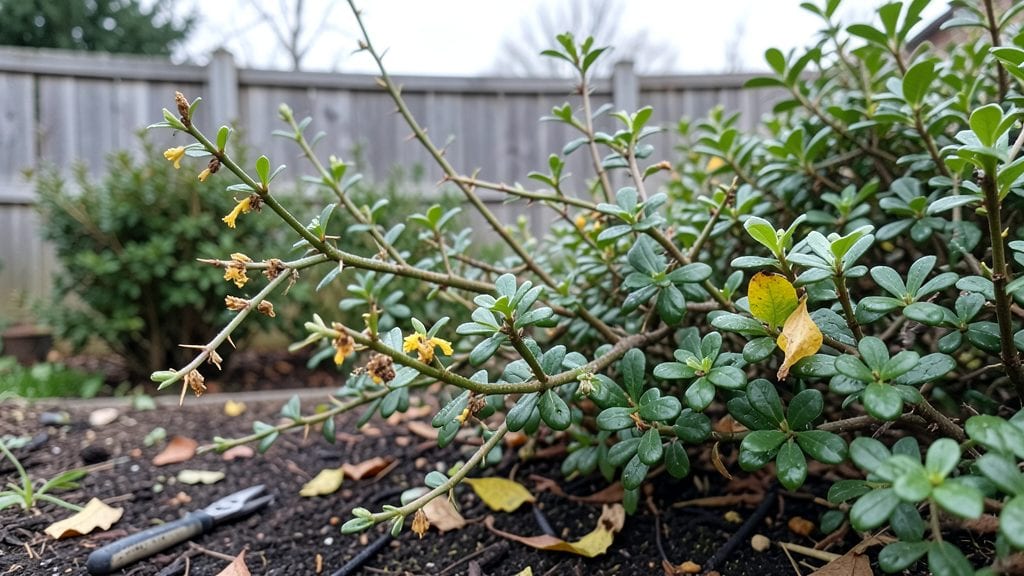
Pruning barberry plants three times a year keeps them shockingly lush and disease-free, but I’ll be real—most people only do it once and wonder why their plants look ragged. The key is timing: a light trim after flowering, a mid-season shape-up, and a late-winter cleanup to prep for spring growth.
You’ll need just three tools: sharp pruning shears, gloves (barberries have thorns!), and a small rake for cleanup. The biggest mistake? Cutting into old wood—barberries bloom on new growth, so always prune back to a healthy bud or branch.
I learned that the hard way when my favorite shrub skipped flowering one season.
After a proper pruning, you’ll see fresh green shoots within 2-3 weeks, and the plant’s shape stays tight and full. The best part? Fewer pests and diseases, since good airflow reduces moisture trapped in thick foliage. Just avoid heavy pruning in fall—it stresses the plant before winter.
Different barberry varieties handle pruning similarly, but dwarf types need less aggressive cuts. Whether you’re shaping a hedge or rejuvenating an overgrown shrub, the same principles apply. Let’s get those shears ready—your barberry will thank you next growing season.
📚 In This Guide
- What you need
- Instructions
- Tips and common mistakes
- Wrapping up and next steps
What you need
- ● Pruning shears (bypass or anvil type) – Choose sharp, clean shears (4-6” blade for small branches, 8-10” for thicker stems). Disinfect with rubbing alcohol between cuts to prevent disease.
- ● Loppers – For branches ½” to 2” thick (look for bypass-style to avoid crushing stems).
- ● Pruning saw – For thick, woody stems (3-4” blade with a fine-tooth design).
- ● Gloves – Heavy-duty, cut-resistant (barberry thorns are sharp!). Opt for gardening gloves with reinforced palms.
- ● Disposable pruning bags or bucket – For collecting clippings (helps contain debris and pests).
- ● Hose or water spray bottle – To clean tools and rinse wounds on the plant.
- ● Rubbing alcohol (70% or higher) – For sterilizing tools between cuts.
- ● Hand pruners with ratchet mechanism – Reduces hand fatigue for long pruning sessions.
- ● Extension pole saw – For tall barberry hedges (reaches up to 6-8 feet).
- ○ Pruning sealant – Optional for large cuts (>1” diameter) to prevent disease (use only on healthy plants).
- ● Knee pads or stool – For comfort if pruning low-growing varieties.
- ● Notebook & pen – To sketch a pruning plan or track seasonal trims.
Instructions for barberry plant pruning: year-round health with 3 seasonal trims
Here's the precise seasonal approach I've used to keep barberries thriving for over a decade.
Late Winter Pruning to Encourage New Growth
Begin pruning in late winter, just as new growth begins to swell but before buds break. This is the most critical trim because it sets the stage for the entire growing season. Remove any dead, diseased, or crossing branches first—these are easy to spot as they lack the vibrant green color of healthy stems. Cut back to a strong outward-facing bud or lateral branch to encourage proper growth patterns.
Next, thin out the oldest stems at the base to promote younger, more vigorous growth. Barberries naturally form dense thickets, so aim to remove about one-third of the oldest stems each year. This prevents overcrowding and improves air circulation, which is essential for preventing fungal diseases. Use clean, sharp pruners to make cuts at a 45-degree angle just above a bud or branch junction.
Mid-Summer Light Pruning for Shape and Health
In mid-summer, focus on shaping the plant and removing any suckers or unwanted growth. This is a lighter trim compared to winter, but it keeps the barberry looking neat and encourages bushier growth. Look for branches that are growing inward or rubbing against others—these should be pruned back to a healthy bud or removed entirely to prevent damage.
Also, trim back any overly leggy or sparse growth to maintain a compact shape. Barberries respond well to this type of pruning, so don't be afraid to make small adjustments. Avoid heavy pruning in summer, as it can stimulate tender new growth that may not harden off before winter. Water the plant thoroughly after pruning to help it recover and reduce stress.
Fall Cleanup to Prepare for Dormancy
In early fall, perform a final cleanup to remove any dead or diseased foliage and prepare the plant for dormancy. This is also the time to trim back any overly vigorous growth that may not have hardened off properly. Focus on removing leaves that show signs of disease, such as spots or discoloration, to prevent overwintering pathogens.
Reduce watering gradually as temperatures drop, but keep the soil lightly moist until the ground freezes. Mulch around the base of the plant with 2-3 inches of organic mulch to insulate the roots and protect against temperature fluctuations. This final step ensures the barberry enters dormancy strong and healthy, ready to burst into growth the following spring.
Year-Round Maintenance for Long-Term Health
Throughout the year, monitor the barberry for signs of stress, disease, or pests. Remove any suckers or unwanted growth as soon as you notice them to maintain the plant's shape and vigor. Prune lightly after flowering to encourage a second flush of blooms, but avoid heavy cuts that could reduce next year's flower production.
Barberries are hardy and low-maintenance, but consistent pruning keeps them looking their best. Regular trims also make it easier to spot issues early, like powdery mildew or spider mites, which are more manageable when caught in their early stages. With this seasonal approach, your barberry will stay healthy, compact, and full of life for years to come.
Tips & tricks for perfect barberry plant pruning
Mastering the art of barberry pruning transforms a once-neglected shrub into a thriving, picture-perfect landscape feature. Here's how to elevate your pruning game with these essential insights.
Timing is Everything: The late winter trim in Step 1 is your golden opportunity to shape the plant's future. I can't stress enough how crucial it is to prune just as buds begin to swell—this precise timing ensures you're not removing potential blooms or new growth. Watch for those tiny green swellings along the stems; they're your cue that it's time to act. In my experience, pruning too early can stimulate premature growth that may get damaged by late frosts, while waiting too long risks removing next year's flowers.
The One-Third Rule: When thinning out the oldest stems in Step 1, remember this cardinal rule: never remove more than one-third of the oldest stems in any single year. This gradual approach prevents shock to the plant and maintains its vigor. I've seen many gardeners make the mistake of over-pruning in one season, only to watch their barberry struggle to recover. Think of it as a haircut—you wouldn't shave your head in one visit, would you? The same principle applies to your barberry.
Cutting Technique Matters: The 45-degree angle mentioned in Step 1 isn't just aesthetic—it's functional. Making clean cuts at this angle prevents water from pooling on the cut surface, which could lead to rot or disease. Additionally, always cut just above a bud or branch junction. This simple technique encourages new growth in the right direction and maintains the plant's natural shape. I've found that using clean, sharp pruners is just as important as the cutting technique itself—dull blades can crush stems, inviting infection.
Seasonal Adjustments: While the seasonal approach is solid, I've learned that local climate plays a significant role. In colder regions, you might need to delay your late winter pruning until after the last frost date. Conversely, in milder climates, you could extend your fall cleanup into late autumn. Observe your plant's response to the seasons and adjust the timing slightly each year. The goal is to work with nature, not against it.
Pro Tips for Barberry Plant Pruning
- Mastering the art of barberry pruning transforms a once-neglected shrub into a thriving, picture-perfect landscape feature.
- Timing is Everything: The late winter trim in Step 1 is your golden opportunity to shape the plant's future.
- The One-Third Rule: When thinning out the oldest stems in Step 1, remember this cardinal rule: never remove more than one-third of the oldest stems in any single year.
Frequently asked questions
Got questions about keeping your barberry plant thriving with the right pruning? Here are some of the most common concerns—plus clear, actionable answers to keep your shrub looking its best year-round.
When is the best time to prune barberry?
Barberry pruning works best in three key seasons: late winter (before buds swell), early spring (after flowering), and mid-summer (to shape and encourage new growth). Avoid heavy pruning in fall—it can stimulate tender growth vulnerable to frost damage.
Can I prune barberry in winter?
Yes, but lightly! Prune only to remove dead or damaged branches in late winter (before new growth starts). Heavy winter pruning can stress the plant. Save major shaping for spring or summer when the plant is actively growing and can recover faster.
What if I skip pruning my barberry?
Skipping pruning won’t kill your barberry, but it may lead to overcrowded branches, fewer berries, and a messy shape. Regular trims improve airflow (reducing disease risk) and encourage bushier, healthier growth. Think of it like a haircut—your plant will thank you!
Can I prune barberry too much?
Yes! Over-pruning—especially cutting back more than 1/3 of the plant at once—can weaken the shrub and reduce flowering/berry production. Stick to the three-season rule and avoid drastic cuts. If you’ve already overdone it, don’t panic—give it time to recover with proper care.
How do I prune barberry to prevent pests or disease?
Start by removing dead or diseased branches first (sterilize tools with rubbing alcohol between cuts). Thin out crowded areas to improve airflow, and avoid pruning during wet weather. After trimming, clean up fallen debris—this reduces hiding spots for pests like spider mites or fungal spores.
Wrapping up and next steps
Pruning your barberry plant isn’t just about keeping it tidy—it’s the secret to vibrant growth, lush foliage, and year-round resilience! 🌿 By mastering the three seasonal trims (spring, summer, and fall), you’ll encourage bushier blooms, stronger stems, and even better pest resistance.
Remember, timing and technique are everything, so grab those pruners and get hands-on with confidence.
Ready to transform your barberry into a thriving star? Start small: pick one season’s trim to practice, then gradually build your skills. Before you know it, your plant will be the envy of the neighborhood—and you’ll be the proud gardener behind it! 🌟