
Pruning
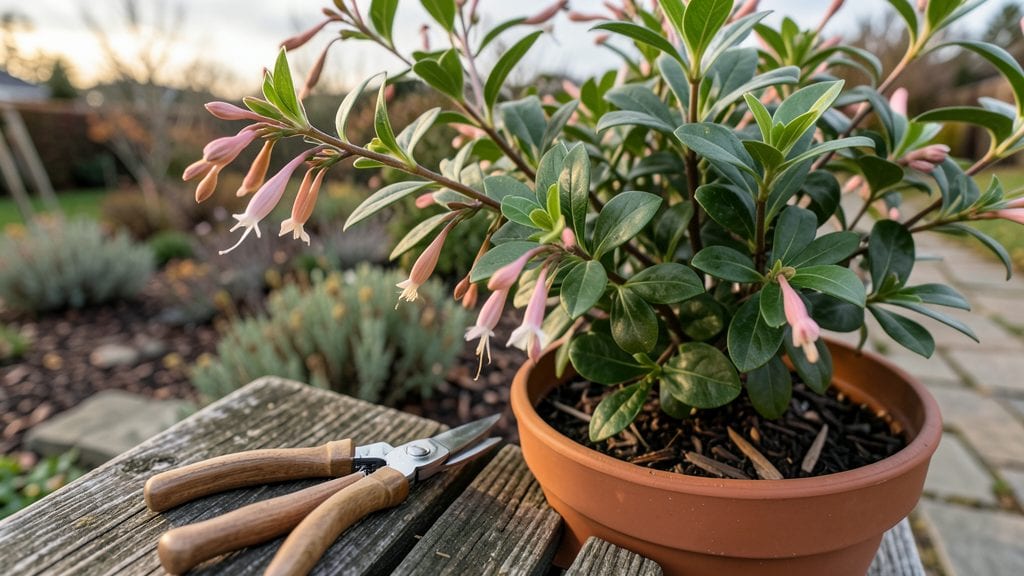
Abelia plant pruning can turn your scraggly shrub into a neighborhood showstopper with glossy leaves and nonstop blooms—if you do it right. 🌿 I learned the hard way: skipping pruning means fewer flowers and leggy growth, but the right cuts keep Abelias compact and productive for years.
The secret isn’t just when to trim, but how to shape it so new growth emerges exactly where you want.
You’ll need sharp bypass pruners, gloves, and a clear day—no wind—to avoid tearing branches. The best time is late winter or early spring, but light trimming after blooming keeps flowers coming. Start by removing dead or crossing branches first, then thin out the center to improve airflow.
Think of it like giving your plant a haircut: shorter layers for shape, longer on top for fullness.
After pruning, your Abelia will reward you with new red shoots within weeks and blooms that last from spring through frost. The flowers may be small, but they’re packed together like confetti, and the fragrance?
Unbeatable. Just avoid cutting back more than one-third of the plant at once—it stresses the roots and delays recovery.
This method works for all Abelia varieties, whether you’re growing the classic Abelia × grandiflora or the compact Abelia × ‘Kaleidoscope’. The key is consistency—prune the same way each year, and your plant will stay lush, healthy, and blooming longer than any other shrub in your yard.
Ready to give it a try?
📚 In This Guide
- What you need
- Instructions
- Tips and common mistakes
- Wrapping up and next steps
What you need
- ● Pruning shears – Bypass pruners (sharp, clean, and 10-12" blades) for small stems.
- ● Loppers – Bypass or anvil type (for thicker branches, 16-24" cutting capacity).
- ○ Hand pruners (optional but handy) – For fine-tuning delicate stems.
- ● Disinfectant solution – 70% isopropyl alcohol or diluted bleach (1 part bleach to 9 parts water) to sterilize tools.
- ● Garden gloves – Cut-resistant, breathable (to protect from thorns and sap).
- ● Heavy-duty trash bags – For clearing debris (1-2 large bags per session).
- ○ Pruning sealant (optional but recommended) – Wound dressing (like Tanglefoot Tree Wound Pruning Seal) for large cuts.
- ● Weather check – Prune on a dry, overcast day (avoid extreme heat or frost).
- ● Safety gear – Sunglasses and long sleeves if working in bright sun.
- ● Plant health assessment – Inspect for diseased or dead branches before starting.
Step-by-Step guide to pruning abelia for continuous blooms
This is the method I’ve used to keep my abelia flowering nonstop—just a few strategic cuts at the right times.
✂️ Step 1: Prune After Spring Blooms (Late May to Early June)
Wait until your abelia has finished blooming in spring—usually around late May or early June—before you touch the shears. This timing ensures you don’t cut off next year’s flower buds, which form on last year’s wood. Look for spent blooms to fade completely before pruning.
Cut back about one-third of the oldest stems to the ground. These are the thickest, woody stems that have already bloomed. Removing them encourages fresh, younger growth that will produce new flowers. I always start with the largest stems first—they’re the most mature and least likely to regrow if left unpruned.
✂️ Step 2: Light Pruning in Mid-Summer (July to August)
In mid-summer (July or August), give your abelia a quick shape-up. This isn’t about heavy pruning—just tidying up. Remove any dead, diseased, or crossing branches first. Then, trim back any leggy growth by one-third to encourage bushier, denser foliage.
Use clean, sharp pruners to make 45-degree cuts just above a leaf node or bud. Avoid cutting into old wood if you want to preserve next year’s blooms. A light touch here keeps the plant compact and prevents overgrowth. If you see any water sprouts (those fast-growing, vertical shoots), snip them off at the base—they sap energy from the main plant.
✂️ Step 3: Minimal Winter Pruning (Late Winter, Before New Growth)
In late winter (February or March), just before new growth begins, do a final check. Remove any dead, broken, or weak stems that didn’t make it through winter. This is also the time to thin out the center of the plant if it’s getting too dense—just enough to let light and air circulate.
Don’t overdo it here. Abelia is forgiving, but cutting back too much in winter can delay spring blooms. A few strategic cuts to open up the plant’s shape is all you need. If your abelia has any suckers (small shoots growing at the base), remove them now—they’ll compete with the main plant for nutrients.
☀️ Step 4: Post-Pruning Care for Healthy Regrowth
After any major pruning, give your abelia a deep watering to help it recover. The roots need moisture to support new growth, especially after you’ve removed a lot of foliage. I usually water deeply at the base rather than overhead to prevent fungal issues.
Keep an eye on the plant in the weeks following pruning. If you see new shoots emerging, that’s a good sign—it means the plant is responding well. If the weather turns hot or dry, water every 2-3 days until the plant establishes new growth. Avoid fertilizing right after pruning; wait until you see fresh, vibrant leaves before adding any nutrients.
Tips & tricks for perfect abelia pruning
These precision-focused tips will help you keep your abelia blooming beautifully year after year without over-pruning or stressing the plant.
Timing is Everything: The late May to early June window for Step 1 is non-negotiable. I learned this the hard way—pruning too early can cut off next year's flower buds, which develop on last year's wood. Wait until at least 80% of the blooms have faded completely before making your cuts. This typically happens when the flowers start dropping on their own.
The One-Third Rule: When trimming in Step 2 (mid-summer) or Step 1 (spring), always remove only about one-third of the oldest stems. This maintains the plant's energy balance while encouraging new growth. I mark the stems with a piece of tape before cutting to visualize which ones I'm removing—it helps me stay consistent with that one-third guideline.
Cutting Technique Matters: Those 45-degree cuts in Step 2 aren't just for looks—they help water run off the plant instead of pooling at the cut. Use sharp pruners to make clean cuts just above a leaf node or bud. Dull shears can crush stems, making them more susceptible to disease. I dip my pruners in rubbing alcohol between cuts to prevent spreading any potential pathogens.
Post-Pruning Recovery: After any major pruning, the deep watering in Step 4 is crucial. I water slowly at the base until I see moisture seeping out of the drainage holes in the pot. This helps the roots recover from the stress of pruning. In hot weather, I even add a layer of mulch around the base to retain moisture—just be sure to keep it a few inches away from the stem.
Pro Tips for Abelia Plant Pruning
- These precision-focused tips will help you keep your abelia blooming beautifully year after year without over-pruning or stressing the plant.
- Timing is Everything: The late May to early June window for Step 1 is non-negotiable.
- The One-Third Rule: When trimming in Step 2 (mid-summer) or Step 1 (spring), always remove only about one-third of the oldest stems.
Frequently asked questions
Got questions about keeping your abelia looking its best? Here are the answers to some of the most common concerns—so you can prune with confidence and enjoy those stunning year-round blooms!
When is the best time to prune abelia for maximum blooms?
The ideal time to prune abelia is late winter or early spring (just before new growth starts). You can also do a light trim in summer after flowering to maintain shape. Avoid heavy pruning in fall—it can stimulate tender new growth that won’t survive winter.
Can I prune abelia too much? What are the signs?
Yes! Over-pruning can stress your abelia, leading to fewer blooms or even dieback. Signs you’ve gone too far include bare stems, sparse foliage, or no flowers. Stick to removing no more than 1/3 of the plant’s growth per year—and never cut into old wood.
How do I shape abelia without sacrificing flowers?
Use selective pruning to shape abelia: Focus on removing only the oldest stems at the base (they won’t rebloom) and trimming back overly leggy growth. For a bushier look, cut just above a leaf node or bud. Avoid shearing—it encourages dense, weak growth with fewer flowers.
What should I do if my abelia isn’t blooming after pruning?
If your abelia skips blooms, check these fixes:
- Pruned too late? New growth needs time to mature before flowering. Wait until next spring.
- Not enough sunlight? Abelia needs 6+ hours of sun daily—move it to a sunnier spot.
- Over-fertilized with high nitrogen? Switch to a balanced bloom booster (like 10-10-10) in early spring.
Can I propagate abelia from pruned cuttings?
Use 4–6 inch softwood cuttings from healthy, non-flowering growth. Dip the cut end in rooting hormone, plant in moist perlite/sand, and keep humid (use a plastic bag). Roots form in 4–6 weeks. Perfect way to multiply your abelia for free!
Wrapping up and next steps
Mastering Abelia plant pruning is your ticket to lush, vibrant blooms year-round! With the right tools, timing, and techniques—like light trims in spring and structured shaping in late winter—you’ll keep your Abelia thriving and full of life.
Remember, confidence comes with practice, so don’t hesitate to experiment while following the basics.
Ready to elevate your gardening game? Grab your pruners and start pruning today! Your Abelia will thank you with stunning, long-lasting flowers. 🌸✂️