
Aphids
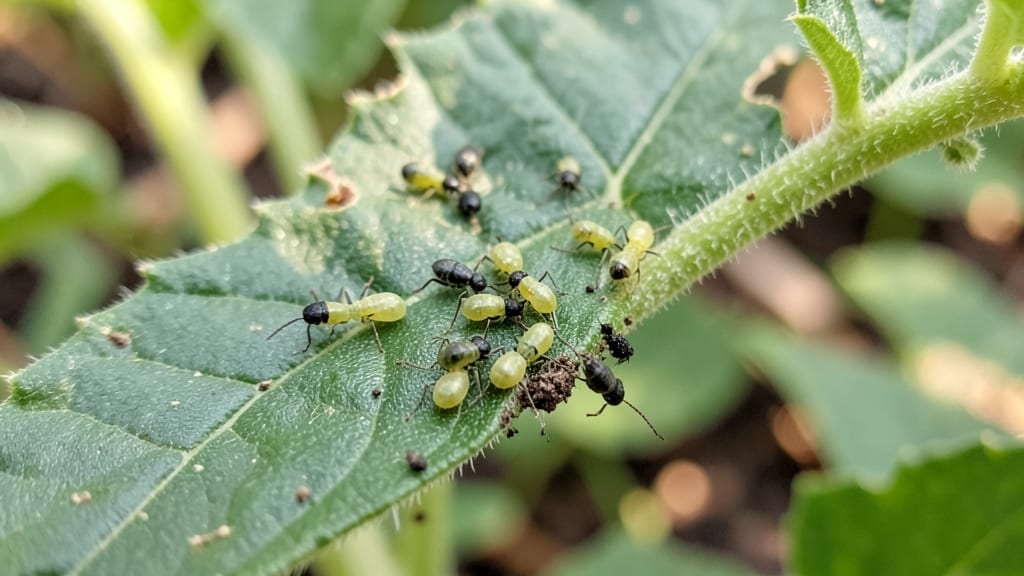
Neem oil spray can turn your aphid-infested jalapeno plant into a thriving, pest-free powerhouse within a single day. 🌱 I’ve watched these sticky green pests drain my peppers until I discovered this quick fix that actually works—no harsh chemicals needed.
The key is timing, concentration, and a follow-up routine that keeps aphids from staging a comeback.
Most gardeners panic when they spot aphids, but these tiny bugs are easier to beat than you’d think. Aphids cluster on new growth, sucking sap and leaving behind a sticky honeydew that attracts mold.
My first attempt with diluted neem oil took just 15 minutes to mix and apply, and by morning, the aphids were gone. The secret? Reapplying every 5–7 days until harvest to keep them away for good.
You’ll notice fresh, crisp leaves within hours of treatment, and those little green peppers will start filling out like they’re supposed to. The spray doesn’t harm beneficial insects either, so ladybugs and lacewings stick around to help. Just avoid spraying when bees are active—save that for early morning or evening.
This method works for all pepper varieties, from bell peppers to habaneros, and even saves your tomato plants if aphids spread. The best part? You’ll end up with peppers so vibrant and productive, your neighbors will ask for your secret.
Let’s get those plants back to their best in no time.
The Real Culprits Behind Aphids
Aphids may seem like a minor annoyance, but they can quickly turn into a full-blown pest problem on your jalapeño plants—especially if you don’t understand why they’re drawn to them in the first place.
These tiny sap-sucking insects don’t just appear randomly; they’re lured by specific conditions in your garden. Let’s break down the key reasons aphids target your jalapeños—and how you can address them before they multiply.
Aphids are opportunistic feeders, and stressed or weak jalapeño plants are their favorite meal. When your peppers are struggling, their sweet sap becomes even more appealing. Here’s why this happens:
- Nutrient Deficiencies – Plants low in nitrogen, phosphorus, or potassium produce softer, sweeter sap, which aphids crave.
A quick soil test can reveal imbalances. - Overcrowding – When jalapeños are planted too closely, they compete for sunlight and nutrients, weakening their defenses. Poor air circulation also creates a humid microclimate—aphids love moisture. - Drought or Overwatering – Both extremes stress plants. Drought weakens roots, while overwatering drowns roots and attracts fungal diseases, making plants more vulnerable to pests. - Transplant Shock – Newly planted jalapeños are especially susceptible.
Their immune systems are still adjusting, and aphids detect this vulnerability.
💡 Pro Tip: Keep your jalapeños well-spaced (18–24 inches apart), water deeply but infrequently, and use a balanced fertilizer (like 10-10-10) to strengthen their natural resistance.
Aphids have a strong preference for tender, new growth—especially on jalapeños. Here’s why:
- High Sugar Content – Young leaves and stems contain more soluble sugars, which aphids detect using their antennae.
It’s like a neon sign saying, “Eat me!” - Thin Cell Walls – Mature plants have thicker, tougher cell walls that deter pests. New shoots and flowers are soft targets, making them ideal breeding grounds. - Hormonal Signals – Some aphids release chemical signals (pheromones) that attract more of their kind once they find a suitable host.
A single infestation can explode in days.
✨ Prevention Hack: Prune regularly to remove excess new growth, especially in spring and early summer. This reduces aphid food sources and improves airflow.
Not all garden neighbors are helpful—some actively lure aphids away from your jalapeños… or toward them. Here’s how:
| Attractive Plants | Why They Draw Aphids | Better Alternatives |
|---|---|---|
| Dill, Fennel, Parsley | Strong aromatic oils mimic aphid pheromones | Basil, Marigolds, Garlic (repel aphids) |
| Rosemary, Sage | High volatile oils can confuse beneficial insects | Oregano, Thyme (less aphid-friendly) |
| Weedy Growth | Provides shelter and alternative food sources | Mulch with straw to block weeds |
🔥 Warning: If you’re using companion planting for pest control, avoid mixing jalapeños with aphid magnets like squash, melons, or brassicas (cabbage family). Instead, interplant with aphid-repelling herbs like basil or chives.
Aphids thrive under specific weather conditions, and jalapeños are no exception. Here’s how climate plays a role:
- Warm Springs – Aphids reproduce rapidly in temperatures between 60–80°F (15–27°C).
If your spring is unseasonably warm, expect an early outbreak. - Low Rainfall – Drought-stressed plants produce stickier sap, which aphids find irresistible. Irregular watering also disrupts their natural predators (like ladybugs). - Humid Summers – While aphids dislike direct rain, high humidity creates a perfect environment for them to cluster on undersides of leaves. - Late Summer Slowdown – As temperatures rise above 90°F (32°C), some aphid species migrate or die off, but others (like green peach aphids) thrive in heat.
🌡️ Climate Control Tip: Use shade cloth in peak summer to reduce heat stress on plants, and water in the morning to allow foliage to dry—this discourages aphid colonization.
Aphids don’t usually win battles—they lose wars when their predators are present. But if your garden lacks beneficial insects, aphids take over. Common predators include:
- Ladybugs & Lacewings – Devour aphids at an alarming rate (up to 50 aphids per ladybug per day).
- Parasitic Wasps – Lay eggs inside aphids, killing them from within.
- Birds & Spiders – Act as secondary controls but need a balanced ecosystem to thrive.
🕷️ Eco-Friendly Fix: Plant dill, yarrow, or alyssum near jalapeños to attract predator insects. Avoid broad-spectrum pesticides, which kill both pests and their natural enemies.
Aphids hitchhike on tools, wind, and even contaminated soil. If your garden isn’t clean, they’ll move in:
- Old Plant Debris – Leftover stems or leaves harbor aphid eggs that survive winter.
- Infested Tools – Pruners, gloves, or stakes can transfer aphids between plants.
- Weeds – Many weeds (like cleavers or milkweed) are aphid hotspots. A single weed can become a breeding colony.
🧹 Cleanup Checklist: ✅ Remove all plant debris after harvest. ✅ Sterilize tools with rubbing alcohol between uses. ✅ Pull weeds regularly—especially near jalapeños.
Aphids on jalapeños aren’t just random—they’re responding to weaknesses in your garden’s balance. By addressing plant health, companion choices, weather, predators, and hygiene, you can starve out infestations before they start.
The good news? Once you understand the why, the how to fix it becomes clear—and neem oil is just the beginning! 🚀
Quick Fixes for Tiny Plant Invaders
When aphids invade your jalapeño plants, acting fast is key—these pests multiply quickly and can stunt growth or spread disease if left unchecked. Below are targeted solutions based on the most common causes (overcrowding, weak plants, or poor garden hygiene) paired with easy fixes.
Whether you prefer natural remedies or quick chemical options, there’s a method here to restore your peppers to peak health.
Cause: Aphids thrive in dense foliage where they hide and feed undisturbed. Fix:
- Prune aggressively 🔪: Snip off heavily infested leaves (especially new growth) and drop them in soapy water to kill aphids on contact.
- Space plants wider (18–24 inches apart) to improve airflow and deter future pests.
- Pro tip: 💡 Use a sharp pair of pruners dipped in rubbing alcohol to sterilize between cuts and prevent spreading disease.
Cause: Underwatered, nutrient-deficient, or heat-stressed plants attract aphids as they’re easier to feed on. Fix:
- Water deeply 💦 (1–2 inches per week) to keep roots healthy—aphids love drought-stressed plants.
- Fertilize with phosphorus-rich compost (like bone meal) to strengthen stems and leaves.
- Shade cloth ☀️🌿: If your region has extreme heat, provide afternoon shade to reduce stress signals that attract pests.
Cause: Old plant debris, weeds, or nearby infected crops harbor aphids and their natural predators (like ladybugs) won’t stick around. Fix:
- Remove all plant waste from the garden bed and compost pile (aphids can survive in decaying matter).
- Mulch with straw or grass clippings (not wood chips) to smother weeds and improve soil health.
- Pro tip: 🌡️ Solarize soil in late summer: Cover bare soil with clear plastic for 4–6 weeks to kill overwintering aphid eggs.
For mild infestations (under 10% of plant affected):
- Neem oil spray 🌿✨ (your 24-hour cure!):
- Mix 1 tsp neem oil + 1 tsp mild soap + 1 quart water. Spray top and bottom of leaves at dusk (aphids hate the smell!).
- Reapply every 5–7 days until aphids vanish.
- Insecticidal soap 🧼:
- Spray directly on aphids (avoid flowers to protect pollinators). Works in 12–24 hours but may need 2–3 applications.
- Homemade garlic spray 🧄:
- Blend 1 garlic bulb + 1 tsp cayenne pepper + 1 quart water. Strain and spray—aphids dislike the sulfur compounds!
For severe infestations (over 20% of plant covered):
- Pyrethrin-based sprays (like Safer® Brand): Fast-acting but kill beneficial insects too—use only at night.
- Imidacloprid systemic granules (e.g., Ortho BugClear): Water into soil for up to 3 months of protection, but avoid if bees pollinate your plants.
- ⚠️ Warning: Chemical sprays can harm jalapeño fruit if applied during flowering. Stop 7–10 days before harvest.
Prevention tip: 🎯 Plant companion flowers like marigolds, dill, or alyssum near your jalapeños to attract:
- Ladybugs (devour 5,000 aphids in a lifetime!)
- Lacewings (larvae eat aphids like candy)
- Parasitic wasps (lay eggs inside aphids—gross but effective).
To keep aphids off your jalapeños for good:
- Rotate crops annually to disrupt aphid life cycles.
- Inspect new plants 🔍 before bringing them home (quarantine for 2 weeks if possible).
- Use reflective mulch (like aluminum foil) to confuse aphids with light reflections.
- Plant trap crops like nasturtiums to lure aphids away from your peppers.
- Monitor weekly with a magnifying glass—early detection = easier fixes!
Remember: The faster you act, the less damage aphids will cause. Neem oil or insecticidal soap are your best first-line defenses, but combining cultural fixes (like pruning and predator-friendly plants) will keep your jalapeños thriving season after season. 🌶️💪
Frequently asked questions
How do I know if my jalapeno plants have aphids?
Check for clusters of tiny green, black, or yellow bugs on new growth or undersides of leaves. Look for sticky residue (honeydew) or curled leaves—these are clear signs. Aphids are usually visible without magnification, but a magnifying glass helps confirm.
Will aphids kill my jalapeno plants?
While they won't usually kill healthy plants, severe infestations can stunt growth, weaken stems, and spread sooty mold. Young plants are most vulnerable. Act fast with neem oil or insecticidal soap to prevent long-term damage.
Can I use vinegar spray for aphids on jalapenos?
White vinegar (1:1 ratio with water) can help as a contact spray, but it's not as effective as neem oil or insecticidal soap. Avoid spraying during flowering or fruiting—vinegar may harm beneficial pollinators. For best results, combine with other natural methods.
How often should I reapply neem oil for aphids?
Apply neem oil every 5-7 days until aphids disappear, then repeat monthly as prevention. Always spray in the evening to protect bees. Remember to shake the bottle well before each use for even coverage.
Are there any aphid-resistant jalapeno varieties?
No varieties are completely aphid-proof, but some hybrids like 'Carolina Reaper' or 'Blazing Arrow' tend to be hardier. Focus on strong plant health through proper spacing, watering, and companion planting for better resistance.