
Companion Plants
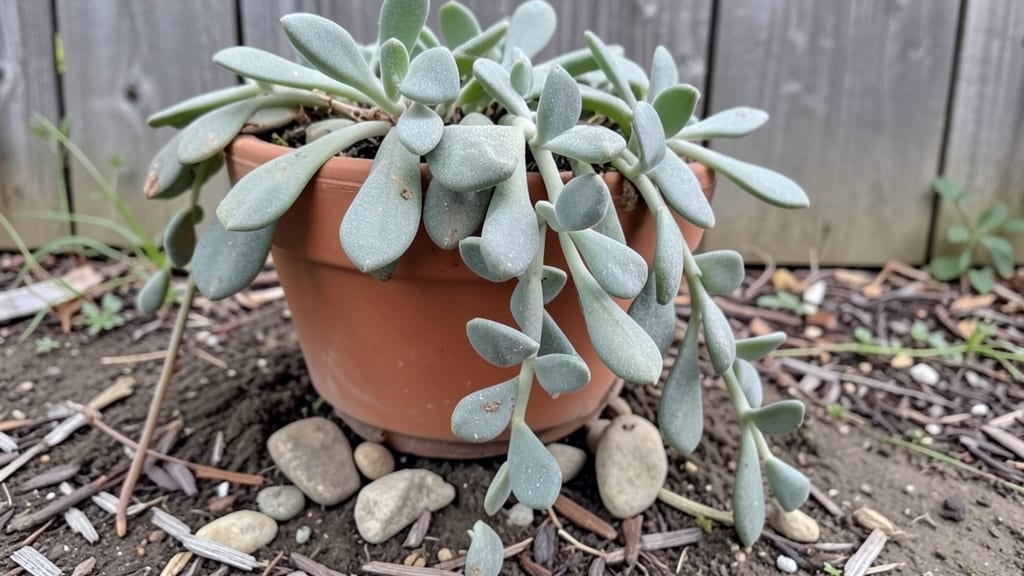
Apartment patio plants can transform even the tiniest balcony into a thriving green oasis. 🌿 I’ve turned my 6-by-8-foot patio into a lush retreat using containers that fit snugly in corners and along railings, proving that space constraints don’t mean plant sacrifices.
The key is choosing plants that tolerate urban conditions—dry spells, wind, and fluctuating temperatures—while still looking effortlessly polished.
Start with sturdy containers that match your patio’s style, whether that’s sleek modern pots or rustic terracotta. Herbs like rosemary and thyme thrive in shallow planters, while trailing plants such as sweet potato vine or ferns soften edges beautifully.
A mix of heights—tall grasses, medium shrubs, and low-spreading ground covers—creates depth without clutter. Most of these plants need just a few hours of sunlight daily, making them perfect for partial shade or bright indirect light.
By summer, you’ll have a patio that feels like an escape, complete with fragrant blooms and velvety foliage. The best part? These plants are low-maintenance enough that you can enjoy your greenery without constant upkeep.
Whether you’re sipping coffee in the morning or unwinding at night, your patio will be the envy of your neighbors—no yard required.
Pro tip: Group containers by watering needs to simplify care, and rotate pots occasionally for even growth. Even a small balcony can become a vibrant sanctuary with the right plant choices and a little strategic placement.
📚 In This Guide
- What you need
- Instructions
- Tips and common mistakes
- Wrapping up and next steps
What you need
- ● Containers: 3–5 patio-friendly pots (sizes: 12"–16" diameter for medium plants, 8"–10" for small varieties). Opt for self-watering or drainage-friendly pots with saucers.
- ● Potting Mix: 1–2 bags of high-quality container mix (avoid garden soil—it compacts!). Look for blends labeled for "patio plants" or "balcony gardening."
- ● Plants: 3–5 space-saving varieties (e.g., snake plants, pothos, succulents, herbs like basil or thyme, or compact orchids). Choose plants with similar water/sun needs!
- ○ Drainage: Small pebbles or hydro beads (optional but helpful for moisture control).
- ● Tools: Trowel or small hand shovel
- ● Gloves (to protect your hands from soil and thorns)
- ● Watering can with a spray nozzle (for gentle hydration)
- ● Pruning shears (for trimming overgrowth)
- ● Sunlight Assessment: Measure your patio’s sunlight exposure (full sun, partial shade, or low light) to pick the right plants.
- ● Weight Limit: Ensure your balcony/patio can support the weight of pots (especially when watered). Most standard containers are safe, but check with your landlord if unsure!
- ● Water Access: A nearby hose or water source for easy maintenance.
- ○ Optional Extras: Decorative trays or saucers (to catch runoff and add style)
- ● Mulch or decorative stones (to retain moisture and enhance aesthetics)
- ● Plant labels (to track care instructions)
Step-by-step guide to choosing and caring for apartment patio plants
Here’s how to pick and nurture container plants that bring life to small spaces without overwhelming them.
🌱 Step 1: Select Compact, Container-Friendly Plants
Start with varieties bred for small spaces—herbs like thyme or basil, trailing plants like string of pearls, or dwarf varieties of rosemary and lavender. These thrive in 6-12 inch pots and won’t outgrow your patio. Avoid fast-spreading plants like mint or ivy unless you’re prepared to prune them weekly.
Check the plant tag for mature size—if it says "24 inches tall," skip it unless you have a vertical planter. I always opt for slow-growing succulents or bushy herbs because they stay manageable. Place taller plants at the back of your setup and shorter ones in front to create visual depth without clutter.
🪴 Step 2: Choose the Right Containers and Drainage
Use pots with drainage holes—no exceptions. I’ve seen too many apartment balconies ruined by soggy soil and root rot. Terra cotta pots are my go-to because they breathe and evaporate excess moisture, but plastic or ceramic with drainage works too. For 4 plants, you’ll need at least 4 containers sized to fit your space (e.g., 6-inch pots for herbs, 8-inch pots for small shrubs).
Group containers close together to create a cohesive look, but leave 2-3 inches between edges for airflow. If your patio gets windy, anchor heavier pots with sandbags or weighted bases to prevent tipping. A rolling cart with wheels lets you move plants for sunlight or shade as needed.
☀️ Step 3: Position Plants for Light and Comfort
Most patio plants need 4-6 hours of sunlight daily, but check individual needs—succulents crave full sun, while ferns thrive in partial shade. I place my herbs near the railing where they get morning sun and afternoon shade, while trailing plants like petunias get hung near a window for dappled light. Rotate pots quarter-turn weekly so plants grow evenly instead of leaning.
Watch for leaf color changes—yellowing means too much sun, while pale stems mean not enough. If your balcony faces north, stick to shade-tolerant plants like pothos or calathea. For south-facing spaces, succulents and lavender will love the heat. Use a light meter app (free on phones) to track intensity if you’re unsure.
💧 Step 4: Water and Feed for Small-Space Success
Water early in the day so moisture evaporates before evening—this prevents fungal diseases. Stick your finger 1 inch into the soil before watering; if it’s dry, it’s time. I use a spray bottle for delicate herbs and a watering can with a narrow spout for larger pots to avoid over-saturating. Drip irrigation on a timer is a game-changer for busy apartment dwellers.
Feed plants every 4-6 weeks with a balanced liquid fertilizer (like 10-10-10) diluted to half-strength. Over-fertilizing burns roots, so less is more. I mix fertilizer with water in a spray bottle for precise application. Stop fertilizing in fall and winter when growth slows. Mulch with 1 inch of organic mulch (like shredded bark) to retain moisture and suppress weeds.
✂️ Step 5: Prune and Maintain for Long-Term Health
Trim back leggy growth right above a leaf node to encourage bushier plants. For herbs, snip 1-2 inches above a set of leaves to promote branching. Deadhead spent flowers on annuals like petunias to encourage more blooms. I prune succulents only when they outgrow their pots—let them go dormant in winter to conserve energy.
Inspect leaves weekly for pests like aphids or spider mites. Wipe them off with a soapy water cloth (1 tsp mild soap per gallon of water). If roots outgrow the pot, uproot carefully and move to a 2-inch larger container in spring. Repot every 1-2 years to refresh soil and prevent nutrient depletion. Overcrowded roots = stunted growth.
Tips & tricks for perfect apartment patio plants
These simple strategies will help you create a thriving patio garden that fits your space without the stress.
Plant Selection Wisdom: When choosing plants for your 6-12 inch pots, focus on those labeled as "dwarf" or "compact." I've learned the hard way that even small plants can outgrow their containers quickly—always check the tag for mature size. For example, that cute little basil plant might look adorable now, but it could reach 24 inches tall if not pruned regularly. Opt for slow-growing varieties like thyme or string of pearls that stay manageable in small spaces.
Container Material Matters: Terra cotta pots are my top recommendation because they allow moisture to evaporate through their porous walls, which helps prevent overwatering. However, if you prefer plastic or ceramic, just make sure they have drainage holes—no exceptions! For your 4 plants, consider using a mix of pot sizes: 6-inch pots for herbs and 8-inch pots for small shrubs. This creates visual interest while keeping everything practical for your space.
Light Positioning Secrets: The 4-6 hours of sunlight requirement can be tricky in apartments. If your balcony faces north, choose shade-tolerant plants like pothos or calathea instead of sun-lovers. For south-facing spaces, position succulents and lavender where they'll get maximum light. I've found that rotating pots a quarter-turn weekly helps prevent plants from leaning toward the light source, keeping them growing evenly.
Watering Technique: The finger test (checking soil moisture 1 inch deep) is your best friend. I've ruined multiple plants by either underwatering or overwatering—both are deadly. For delicate herbs, use a spray bottle to water gently without disturbing the soil. And remember, watering early in the day prevents fungal diseases by allowing moisture to evaporate before evening. This simple habit has saved my plants countless times!
Pro Tips for Apartment Patio Plants
- These simple strategies will help you create a thriving patio garden that fits your space without the stress.
- Plant Selection Wisdom: When choosing plants for your 6-12 inch pots, focus on those labeled as "dwarf" or "compact."
- Container Material Matters: Terra cotta pots are my top recommendation because they allow moisture to evaporate through their porous walls, which helps prevent overwatering.
Frequently asked questions
What are the best low-maintenance patio plants for small spaces?
Opt for succulents (like snake plants or jade), herbs (basil, thyme), or compact shrubs (dwarf ferns, ornamental grasses). These thrive in containers, need minimal water, and tolerate partial shade—perfect for balconies with limited sunlight.
How often should I water my apartment patio plants?
Watering depends on the plant and pot size, but a general rule is once a week in summer and every 2–3 weeks in winter. Stick your finger 1–2 inches into the soil—if it’s dry, it’s time to water. Pro tip: Use a self-watering planter or drip irrigation to avoid over- or under-watering!
Can I grow edible plants on a small patio?
Try container-friendly edibles like cherry tomatoes, peppers, lettuce, or strawberries. Use 5-gallon pots or vertical planters to save space. Just ensure they get 6+ hours of sunlight daily and choose compact varieties labeled for containers.
What do I do if my patio plants look wilted or yellow?
Yellow leaves often signal overwatering (check soil moisture), while wilting can mean underwatering or root bound (repot if roots circle the container). Move plants to bright, indirect light if they’re leggy. Troubleshoot: Trim dead leaves, adjust watering, and fertilize lightly (every 4–6 weeks) with a balanced liquid feed.
Are there cold-hardy plants for urban patios?
Yes! Choose resilient varieties like pansies, ornamental kale, or boxwood shrubs for cooler climates. In freezing temps, move pots to a sheltered spot (like a garage or under an awning) or wrap them in bubble wrap. Evergreens (e.g., dwarf boxwood) also handle chilly weather well.
Wrapping up and next steps
Transforming your apartment patio into a lush green oasis doesn’t require a large space—just a little creativity and the right apartment patio plants. From hardy herbs to vibrant succulents, container gardening makes it easy to bring nature indoors (or right outside your door!). 🌿
Now that you’re armed with the best plant picks, care tips, and answers to common questions, it’s time to roll up your sleeves. Start small—pick one or two plants to test the waters, then expand as your confidence (and green thumb!) grows. Your patio’s future self will thank you!
Ready to dive in? Grab a pot, choose your favorites, and let the greening begin!