
Planting
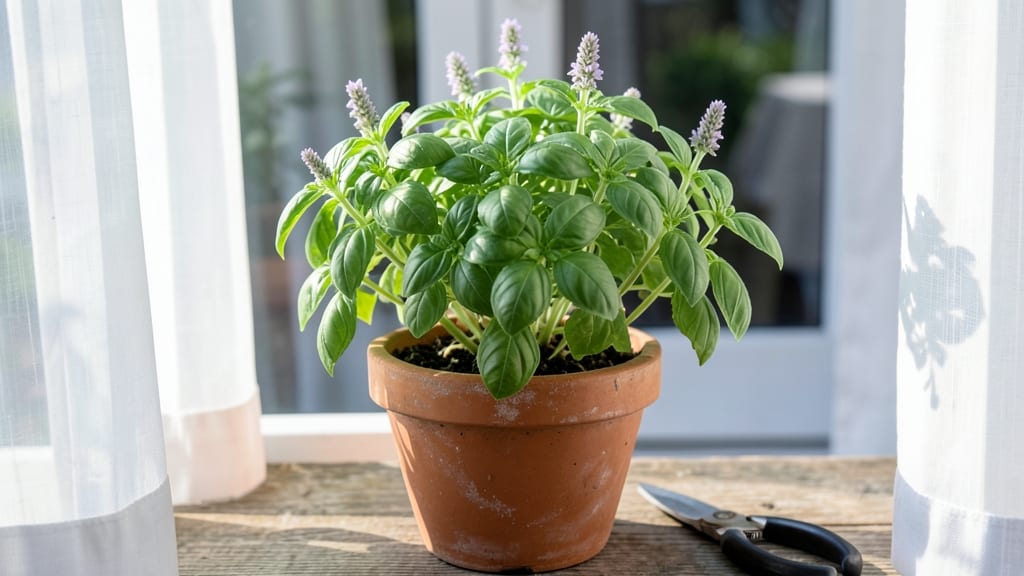
The boxwood basil plant is the hardy, low-maintenance herb that delivers fresh, fragrant leaves no matter the season—grown effortlessly in pots or garden beds. even when I forget to water it for a week.
The key isn’t complicated: this variety handles heat, humidity, and even light frosts better than regular basil, while keeping that signature fragrance and flavor.
The real magic happens with minimal pruning—just snip the tips regularly to encourage bushier growth, and you’ll have a compact, fragrant plant that stays productive for months. It loves well-draining soil and at least 6 hours of sunlight daily, but it’s forgiving if you’re short on space or time.
Most gardeners overwater herbs, but boxwood basil prefers to dry out slightly between waterings—this prevents those sad, yellowing leaves.
By summer’s end, you’ll have a lush, aromatic plant that repels pests naturally (mosquitoes hate it) and keeps giving you fresh leaves for pesto, salads, or teas. The best part? It rarely gets the diseases that plague other basil varieties, so you won’t be playing constant rescue missions.
Once you try it, you’ll wonder why you ever bought store-bought basil again.
Works equally well in pots, raised beds, or in-ground—just adjust watering based on your climate. Here’s how to get started without the usual herb-growing headaches.
📚 In This Guide
- What you need
- Instructions
- Tips and common mistakes
- Wrapping up and next steps
What you need
- ● Boxwood basil seeds or a young plant: 1–3 seeds (if starting from scratch) or
- ● 1 healthy nursery-grown boxwood basil plant (3–6 inches tall)
- ● Well-draining potting mix: 5–10 gallons (depending on pot size), preferably a mix of: 60% organic potting soil
- ● 30% perlite or coarse sand (for aeration)
- ● 10% compost or worm castings (for nutrients)
- ● Containers: 1–2 pots (12–16 inches in diameter) with drainage holes or
- ● A raised garden bed (if planting outdoors)
- ● Watering can or spray bottle: With a fine rose attachment for gentle watering.
- ● Pruning shears: Sharp, clean pair (sterilize with rubbing alcohol before use).
- ● Slow-release fertilizer: 1–2 tablets or granules (like Osmocote) for nutrient boosts.
- ● Mulch: 1–2 inches of shredded bark or straw to retain moisture.
- ● Grow lights or sunny windowsill: If indoors and natural light is limited (12+ hours/day).
- ● Support stakes: 1–2 small bamboo stakes (if the plant grows tall).
- ● Spray bottle with neem oil: For pest prevention (1 tsp neem oil + 1 quart water).
Instructions for cultivating a fragrant boxwood basil plant
Here’s how to keep your boxwood basil thriving with simple, low-maintenance care.
Select the Right Location for Planting
Boxwood basil thrives in partial shade, making it perfect for under trees or near north-facing windows. Choose a spot with 4-6 hours of morning sun and afternoon shade—too much direct sunlight can scorch the leaves. The soil should drain well, so avoid low-lying areas where water pools.
If planting in containers, ensure the pot has drainage holes to prevent root rot. I like to use 12-inch pots for each plant, allowing enough space for roots to spread without becoming crowded. Amend heavy clay soil with 1-2 inches of compost to improve drainage and fertility.
Plant and Water for Establishment
Dig a hole twice as wide as the root ball but no deeper. Gently remove the plant from its container and loosen any tangled roots. Place it in the hole, ensuring the top of the root ball sits even with the soil surface—burying too deep can suffocate the plant.
Water deeply right after planting to settle the soil and eliminate air pockets. Use 1 gallon of water per plant to encourage root growth. After the first week, water when the top 1-2 inches of soil feel dry—boxwood basil is drought-tolerant once established but appreciates consistent moisture during hot spells.
Prune for Shape and Fragrance
Pruning keeps boxwood basil compact and encourages lush, fragrant foliage. I trim back one-third of the new growth in early spring and again after flowering to maintain its neat, rounded shape. Use clean, sharp shears to cut just above a leaf node—this promotes bushier growth.
Remove any yellowed or damaged leaves immediately to prevent disease. If your plant flowers, snip off the blooms as they appear—this redirects energy to leaf production instead of seed development. A light pruning every 4-6 weeks keeps the plant dense and aromatic.
Fertilize and Mulch for Long-Term Health
Feed boxwood basil in early spring with a balanced, slow-release fertilizer (10-10-10 ratio). Apply ½ teaspoon per plant and water it in to avoid burning the roots. Avoid over-fertilizing—too much nitrogen can reduce fragrance and encourage leggy growth.
Spread 2-3 inches of mulch around the base of the plant, keeping it 2 inches away from the stem to prevent rot. Organic mulch like shredded bark or pine needles helps retain moisture and suppresses weeds while improving soil structure over time.
Tips & tricks for perfect boxwood basil plant care
These simple strategies will help you maintain a thriving, fragrant boxwood basil with minimal effort.
Location Selection: In Step 1, pay close attention to that 4-6 hour morning sun window. I’ve found that east-facing windows or spots under deciduous trees (like oak or maple) provide ideal conditions. The afternoon shade protects the leaves from the intense afternoon sun that can cause leaf scorch. If you’re unsure about sunlight, observe the area for a week before planting—watch how sunlight moves across the space.
Container Care: When using 12-inch pots, I recommend adding a layer of small gravel or broken pottery pieces at the bottom before adding soil. This extra drainage layer prevents water from pooling at the roots, which is especially important in containers where drainage can be less effective than in garden beds. Also, choose pots with at least four drainage holes to ensure proper water flow.
Pruning Technique: During Step 3, when you’re trimming back one-third of the new growth, focus on cutting just above a leaf node where new shoots will emerge. This encourages bushier growth and maintains the plant’s compact shape. I’ve noticed that using clean, sharp shears is crucial—dull blades can crush stems, making the plant more susceptible to disease. Sterilize your shears with rubbing alcohol between cuts for best results.
Watering Wisdom: After the initial 1 gallon of water in Step 2, I’ve developed a simple test for determining when to water again. Stick your finger about 1-2 inches into the soil—if it feels dry at that depth, it’s time to water. During hot summer months, you might need to water every 2-3 days, but in cooler weather, every 5-7 days is usually sufficient. Always water at the base of the plant to keep leaves dry and prevent fungal issues.
Pro Tips for Boxwood Basil Plant
- These simple strategies will help you maintain a thriving, fragrant boxwood basil with minimal effort.
- Location Selection: In Step 1, pay close attention to that 4-6 hour morning sun window.
- Container Care: When using 12-inch pots, I recommend adding a layer of small gravel or broken pottery pieces at the bottom before adding soil.
Frequently asked questions
Got questions about growing and caring for your boxwood basil plant? You’re not alone!
Here are some of the most common queries—plus straightforward answers to keep your fragrant little shrub thriving all year.
How often should I prune boxwood basil to keep it compact?
Prune boxwood basil lightly every 4–6 weeks to encourage bushiness. For a formal shape, trim just after flowering (spring/summer) and again in early fall. Avoid heavy pruning in winter—stick to light shaping to avoid stress. Pro tip: Use sharp shears and clean cuts to prevent disease!
Does boxwood basil need winter protection?
Yes! While it’s hardy to USDA Zone 6, mulch heavily with 3–4 inches of shredded bark or leaves before frost. In colder zones, wrap young plants in burlap or use a frost blanket. Prune back 1/3 of growth in late winter to stimulate fresh growth. Pro tip: Avoid pruning too early—wait until after the last frost!
Why are my boxwood basil leaves turning yellow?
Yellow leaves usually signal overwatering or poor drainage. Let soil dry 1–2 inches deep between waterings, and ensure pots have drainage holes. Check for root rot (smelly, mushy roots)—if found, repot in fresh, well-draining soil. Pro tip: Yellow edges? It’s often underwatering or chlorosis (iron deficiency). Test soil pH (aim for 6.0–7.0)!
Can I grow boxwood basil indoors year-round?
Place it near a south-facing window or use grow lights (12–14 hours/day). Keep humidity moderate (mist occasionally) and fertilize lightly every 2 months with balanced 10-10-10. Watch for spider mites—dust leaves weekly to deter pests. Pro tip: Rotate the pot monthly for even growth!
What’s a good alternative if I can’t find boxwood basil?
Try dwarf boxwood (Buxus microphylla) or English boxwood (Buxus sempervirens) for similar structure. For fragrance, consider Lavender or Rosemary—both thrive in similar conditions. If you love basil’s aroma, Greek basil or Thai basil are great edible swaps! Pro tip: Mix boxwood with ornamental grasses for texture contrast.
Wrapping up and next steps
Growing a boxwood basil plant is a rewarding way to enjoy year-round fragrance with minimal fuss—perfect for both novice and experienced gardeners! 🌿 With its hardy nature, low-maintenance care, and delightful aroma, this versatile herb brings charm to containers, borders, or even as a fragrant hedge.
Whether you’re using it for culinary adventures, natural remedies, or simply to brighten your space, boxwood basil proves that beauty and ease go hand in hand.
Ready to elevate your garden? Start small—grow a single plant in a pot or tuck it into your landscape—and watch it thrive with just a little love. Happy planting! 🌱