
Pests
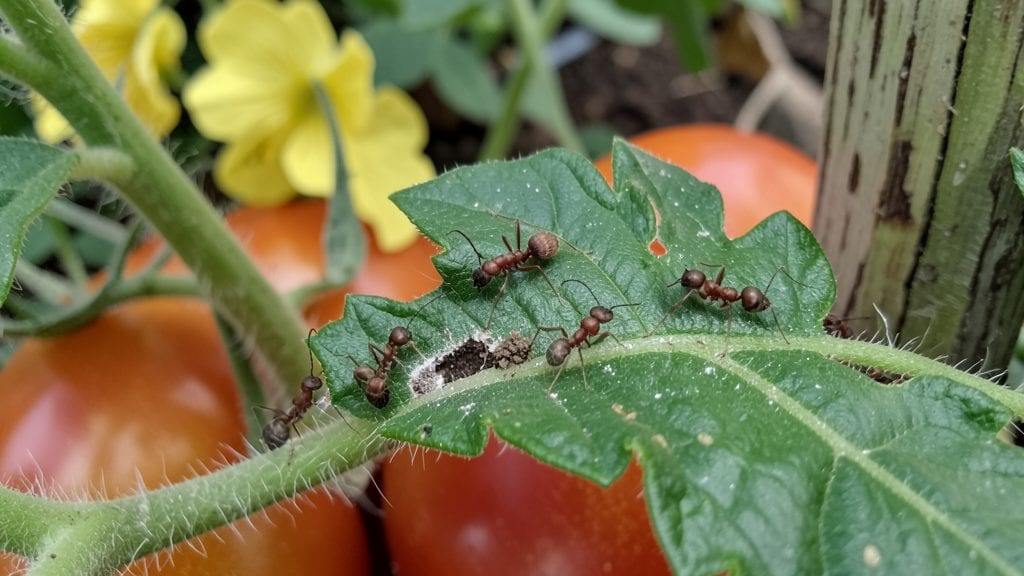
Ants marching up your tomato plants aren’t just a nuisance—they’re a sign your garden’s ecosystem is out of balance. 🌱 I’ve watched these tiny workers turn a thriving tomato patch into a pest buffet, and the solution isn’t just spraying them away.
The real fix starts with understanding why they’re there in the first place.
Here’s the thing—ants don’t eat tomatoes, but they love the sticky honeydew left behind by aphids, whiteflies, and other sap-sucking pests. That’s why you’ll often find ants “farming” these insects like cattle.
Breaking this cycle means targeting the aphids first, not the ants, or you’ll just end up with more problems down the line.
By the end of this guide, you’ll have a three-step barrier system that keeps ants away without harming your plants or the beneficial insects you actually want in the garden.
We’re talking diatomaceous earth barriers, natural repellents, and companion plants that make your tomato patch less appealing to ants in the first place.
The best part? These tricks work for container gardens, raised beds, and even backyard plots, and they’ll keep your tomatoes thriving while maintaining a healthy garden ecosystem. Let’s get your harvest back on track.
The Hidden Reasons Ants Invade
Ants on your tomato plants aren’t just a nuisance—they’re often a sign of deeper ecological imbalances in your garden. Understanding why they’re there is the first step to kicking them out for good.
Below, we break down the real culprits driving these tiny invaders to your prized plants, backed by science and actionable insights.
Ants are drawn to tomato plants primarily because of sugar-rich secretions—not from the tomatoes themselves, but from the pests they farm. Here’s the breakdown:
- Aphids, Mealybugs, and Scale Insects: These sap-sucking pests excrete honeydew, a sugary liquid that ants love.
In fact, ants often protect these pests like livestock, stroking them to stimulate more honeydew production. 🐝→🍯→🐜 - Overripe or Damaged Fruit: Rotting or bruised tomatoes release fermenting sugars, which ants detect from up to 100 feet away using their antennae.
A single overripe tomato can turn your garden into an ant buffet. - Nectar from Flowers: Tomato plants produce nectar in their flowers, which ants harvest. While this isn’t harmful, it can encourage them to linger near your plants.
💡 Pro Tip: If you spot ants marching in straight lines, follow their trail—it’ll lead you to their "farm" (usually aphids or honeydew). Remove these pests first, and the ants may lose interest.
Ants are opportunistic nesters, and tomato plants provide the perfect microclimate for them:
- Moist Soil: Tomato plants with deep watering habits (or poor drainage) create damp soil—ideal for ant colonies. Ants need moisture to survive, and mulched beds or drip irrigation can inadvertently invite them. - Leaf Litter & Debris: Ants thrive in dark, sheltered spaces.
Piles of leaves, old mulch, or even cracked tomato stems offer them hiding spots to build nests. - Cracks in Containers: If you’re growing tomatoes in pots, ants can squeeze through tiny gaps in the container or drainage holes to set up shop.
🔥 Actionable Fix: Reduce moisture around plant bases by improving drainage (raise beds or use gravel) and avoid over-mulching near stems. For potted tomatoes, inspect containers for entry points and seal them with copper tape (ants dislike the metal).
Stressed tomato plants emit chemical signals that ants can detect. When your tomatoes are struggling, they become more vulnerable:
- Nitrogen Deficiency: Plants low in nitrogen produce sweeter sap, which attracts ants. Yellowing leaves (chlorosis) are a red flag. - Disease or Pest Damage: Fungal infections (like blight) or viral diseases weaken plants, making them less resistant to ant invasions.
Ants exploit this by nesting in compromised roots or stems. - Competition for Resources: Overcrowded tomato plants compete for water and nutrients, creating stress signals that ants interpret as "easy pickings."
🌡️ Science Note: Studies show ants use plant volatile organic compounds (VOCs) to locate stressed or damaged vegetation. Healthy plants emit fewer of these signals, making them less appealing.
✨ Prevention Tip: Keep tomatoes well-fertilized (balanced NPK) and spaced properly (18–24 inches apart) to reduce stress. Prune lower leaves to improve airflow and deter fungal growth.
Sometimes, our gardening practices create the perfect conditions for ants:
- Overwatering: While tomatoes need consistent moisture, soggy soil attracts moisture-loving ant species. Stick your finger in the soil—if it’s damp past 2 inches, you’re overdoing it. - Sugar-Based Fertilizers: Organic fertilizers like fish emulsion or molasses can leave residual sugars in the soil, luring ants.
Rinse the soil lightly after application to remove excess. - Unwashed Tools or Hands: Ants can hitch a ride on garden tools, gloves, or even your shoes from infested areas. Always sanitize tools with rubbing alcohol between uses.
🎯 Quick Fix: After watering, disturb the soil surface near plants with a rake—ants dislike exposed terrain. Also, store tools in a dry, sealed container to prevent hitchhiking pests.
Here’s the twist: ants aren’t always the villains. In some cases, they’re just responding to an imbalance in your garden’s ecosystem:
- Lack of Natural Predators: If your garden lacks birds, spiders, or beneficial insects (like ladybugs), ant populations can explode because there’s no natural check on them. - Monoculture Planting: Growing only tomatoes (or other related plants) creates a nutrient-poor, pest-prone environment.
Ants thrive in these simplified ecosystems. - Disrupted Soil Food Web: Overuse of chemical pesticides kills off beneficial microbes and insects, leaving ants as the dominant species.
🔥 Long-Term Solution: Introduce diversity to your garden—plant companion flowers (like marigolds or basil) to attract predator insects. Avoid broad-spectrum pesticides and opt for targeted solutions (like neem oil) to preserve the food web.
Not all ants are equal—some species are more aggressive and destructive than others. Argentine ants (Linepithema humile) are a prime example:
- Supercolonies: These ants form massive, interconnected colonies that can stretch for miles.
If you see them on tomatoes, they’re likely linked to a hidden nest nearby. - Rapid Reproduction: A single queen can produce thousands of eggs per year, leading to explosive infestations. - Aggressive Defense: They displace native ant species and protect pests like aphids religiously.
🔪 Emergency Action: For Argentine ants, borax baits (mixed with sugar) are highly effective. Place baits along their trails—they’ll carry it back to the colony, decimating it from within. Always use with caution and keep away from pets/kids.
| Cause | Ant Motivation | What to Do |
|---|---|---|
| Honeydew from pests | Sugar reward from aphids/scale insects | Remove pests with soapy water or neem oil |
| Overripe fruit | Fermenting sugars act as a beacon | Harvest ripe tomatoes promptly; remove rotten ones |
| Moist soil | Ideal nesting conditions | Improve drainage; avoid over-mulching |
| Plant stress | Weak plants emit attractant chemicals | Fertilize properly; prune for airflow |
| Human error | Overwatering or sugar-based fertilizers | Adjust watering; rinse soil after fertilizing |
| Lack of predators | No natural checks on ant populations | Plant companion flowers; avoid pesticides |
| Argentine ants | Supercolony behavior + aggression | Use borax baits (targeted approach) |
Practical ways to stop ants
Ants on your tomato plants aren’t just a nuisance—they can wreak havoc on your garden by protecting pests like aphids, whiteflies, and mealybugs, which drain your plants’ vitality. But don’t worry! With the right strategies, you can kick those tiny troublemakers to the curb without resorting to harsh chemicals.
Below, we’ve mapped out targeted solutions based on the root cause of your ant problem, along with preventive tips to keep your tomato plants thriving.
Ants are drawn to tomato plants primarily because of sweet sap (from aphids or damaged plants) or spilled fruit. If they’re not getting a meal, they’ll move on.
🍅 Remove Overripe or Damaged Fruit
- Why it works: Overripe tomatoes ooze sugars, acting like a buffet for ants.
- How to do it:
- Pick tomatoes that are soft, cracked, or falling off the vine and compost them (far from your garden).
- Pro tip: 💡 Harvest tomatoes before they fully ripen indoors to reduce waste and ant attraction.
🌿 Prune for Better Airflow
- Why it works: Crowded plants trap moisture and sap, making them more appealing to ants.
- How to do it:
- Trim dead or diseased leaves (especially near the base where ants march).
- Space out plants to reduce humidity in the soil—ants love damp conditions.
Ants follow chemical trails, so breaking their path can deter them from returning.
🧲 Use Natural Repellents Along the Soil
- Why it works: Ants avoid strong scents like cinnamon, citrus, or diatomaceous earth.
- How to do it:
- Sprinkle cinnamon powder or crushed citrus peels around the base of your tomato plants.
- For stubborn trails: 🔥 Create a 1-inch-wide barrier of diatomaceous earth (DE)—it’s non-toxic but deadly to ants by dehydrating them.
- Pro tip: 🌡️ Reapply after rain, as DE loses effectiveness when wet.
🪴 Install a Moat of Water or Oil
- Why it works: Ants cannot cross water or slippery surfaces.
- How to do it:
- Place a shallow dish of water around the plant base (ants will drown trying to cross).
- Mix 1 part vegetable oil + 1 part water in a spray bottle and lightly coat the soil surface where ants enter.
Ants farm aphids and other sap-suckers—so removing these pests cuts off the ants’ food supply.
🦟 Blast Aphids with Water
- Why it works: A strong water spray knocks aphids off plants, starving ants.
- How to do it:
- Use a hose with a nozzle to blast aphids from the undersides of leaves (where they hide).
- Repeat every 2–3 days until no more ants return.
🐞 Introduce Predatory Insects
- Why it works: Ladybugs, lacewings, and parasitic wasps eat aphids—and ants avoid them.
- How to do it:
- Buy ladybug larvae or lacewing eggs from garden centers and release them near infested plants.
- Pro tip: ✨ Plant dill, fennel, or yarrow nearby to attract these natural predators.
Once you’ve dealt with the current infestation, prevent future visits with these habits.
🌱 Choose Ant-Resistant Tomato Varieties
- Why it works: Some tomatoes are less attractive to ants due to their natural compounds.
- Best picks:
- Cherokee Purple (thick skin deters pests)
- Solar Fire (resistant to common tomato pests)
- Brandywine (less prone to aphid buildup)
🌿 Mulch Strategically
- Why it works: Ants nest in dry, loose mulch—the wrong kind invites them in.
- How to do it:
- Use wood chips or straw (ants dislike the texture).
- Avoid shredded bark—it creates perfect ant highways.
- Pro tip: 🎯 Keep mulch 2–3 inches away from the plant stem to discourage nesting.
🕒 Monitor and Act Fast
- Why it works: Early intervention = less damage to your plants.
- How to do it:
- Check plants weekly for tiny black ants marching in lines.
- Set up ant bait stations (like borax + sugar) far from your garden to lure them away.
- ❌ Don’t use chemical pesticides—they kill beneficial insects too.
- ❌ Don’t ignore aphids—ants will always return if their food source remains.
- ❌ Don’t rely on one method—combine barriers, repellents, and pest control for best results.
By tackling the root cause (food, trails, or pests) and preventing future visits, you’ll keep your tomato plants ant-free and thriving—so you can enjoy a bountiful, pest-free harvest! 🍅🌱
Frequently asked questions
Are ants actually harmful to tomato plants?
Not directly—they don’t eat tomatoes! However, they protect pests like aphids and mealybugs (their "livestock") that drain plant sap. This creates sticky honeydew that attracts more ants and promotes sooty mold growth, weakening your plants over time.
Why do I see ants marching in straight lines on my tomatoes?
Those trails follow chemical pheromones ants use to recruit others to food sources! Follow their path—it’ll lead you to aphids, overripe fruit, or hidden nests in mulch. Removing these attracts will break their highway system.
Will diatomaceous earth (DE) kill my tomato plants if I use it?
No, when applied correctly! DE is non-toxic to plants but deadly to ants by dehydrating them. Just sprinkle a 1-inch barrier around the base (avoid stems) and reapply after rain. Always use food-grade DE for safety.
Can I use vinegar to repel ants from my tomato plants?
Yes, but with caution! Mix 1 part white vinegar + 1 part water and spray along soil edges where ants enter. Avoid spraying leaves directly—vinegar can cause leaf burn. Reapply after rain for best results.
How do I prevent ants from returning next season?
Combine these three strategies:
- Plant basil or marigolds near tomatoes (ants hate these scents),
- Use copper tape around pot rims (ants avoid metal), and
- Keep your garden aphid-free with regular inspections.