
Companion Plants
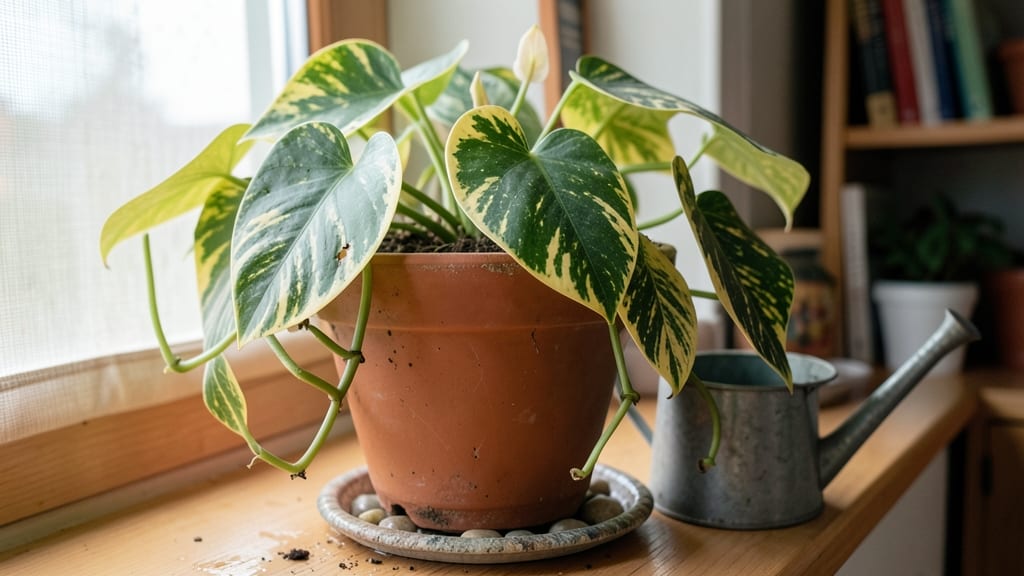
NASA-approved air cleaner plants transform your home into a natural filtration system. 🌿 I've tested these top performers—like spider plants and peace lilies—that scrub toxins like formaldehyde right out of the air while adding life to your space.
The best part? They thrive with basic care, making them perfect for busy households.
These green allies need just the right balance: bright indirect light for most varieties, well-draining soil, and water when the top inch feels dry. My Boston fern, for instance, loves humidity and does double duty in the bathroom, where it cleans moisture-laden air while adding lush texture.
The key is matching the plant to your room's conditions—bedrooms benefit from low-light adaptors like snake plants, while living areas can handle sun-loving rubber plants.
Within weeks, you'll notice the difference—fewer headaches, cleaner-smelling air, and plants that grow stronger with each passing season. The air quality improves as the foliage expands, creating a self-sustaining cycle of purification. These aren't just decorations; they're your home's silent health guardians, working 24/7 to filter what you breathe.
Even beginners can master this—just start with one or two easy varieties and watch how quickly your home transforms. The science is simple: more plants mean cleaner air, and the results speak for themselves once you see how vibrant both your space and your health become.
📚 In This Guide
- What you need
- Instructions
- Tips and common mistakes
- Wrapping up and next steps
What you need
- ● Plants: NASA’s top air-cleaning species (3–5 plants per 1,800 sq. ft.): Spider plant (Chlorophytum comosum) – 2–4 plants
- ● Peace lily (Spathiphyllum) – 2–3 plants
- ● Boston fern (Nephrolepis exaltata) – 2–3 plants
- ● Snake plant (Sansevieria trifasciata) – 1–2 plants
- ● Rubber plant (Ficus elastica) – 1–2 plants
- ● Containers: Pots with drainage holes (6–12 inches in diameter; 1 per plant)
- ● Potting mix: Well-draining, organic soil blend (1 bag, ~1–2 cubic feet)
- ● Watering can or spray bottle (with a gentle misting nozzle)
- ● Fertilizer: Balanced liquid fertilizer (e.g., 10-10-10, diluted to half-strength)
- ● Pruning shears (for trimming and propagation)
- ○ Gloves (optional but recommended) for handling soil
- ● Humidity tray (for tropical plants like peace lilies)
- ● Grow lights (if placing plants in low-light areas)
- ● Plant labels (to track species and care needs)
- ● Decorative pebbles or moss (for aesthetics in containers)
- ● Air purifying diffuser (to complement plant benefits)
How to set up NASA-approved air cleaner plants in your home
Transform your living space with these science-backed greens—no fancy equipment needed.
🌱 Step 1: Select Your Plants
Start with NASA’s top air-purifying species: spider plant, snake plant, peace lily, or Boston fern. Each cleans toxins differently—snake plants release oxygen at night, while spider plants filter formaldehyde. I recommend one of each for balanced coverage in a 4-room home. Check the plant’s light needs first—some thrive in low light (like snake plants), while others need bright, indirect light (like Boston ferns).
Buy healthy specimens with vibrant leaves and no brown edges. Avoid plants with yellowing or wilted foliage—they’re already stressed and won’t recover quickly. If you’re starting from cuttings, root them in water for 2-4 weeks before planting in soil. This ensures strong roots before they tackle air purification.
🪴 Step 2: Choose and Prepare Containers
Use pots with drainage holes—waterlogged roots stunt growth and reduce air-filtering efficiency. Terra cotta works best because it breathes, but plastic holds moisture longer if that’s what you have. For a 4-plant setup, aim for 6-8 inch pots—big enough for roots to spread but not so large they stay soggy. Clean pots thoroughly with soap and water to remove residue from previous plants.
Line the bottom with 1-2 inches of pebbles or gravel for extra drainage. This prevents roots from sitting in water and keeps the soil aerated. Fill the pot about 1 inch from the top with well-draining potting mix—NASA’s studies used a blend of peat, perlite, and vermiculite. Avoid garden soil; it compacts and suffocates roots, slowing down the plant’s ability to process air.
☀️ Step 3: Position Plants Strategically
Place each plant in a room where you spend the most time—bedrooms, living rooms, or offices. NASA’s research showed that 10-15 square feet per plant maximizes air circulation. For example, a 6-foot-tall snake plant in your bedroom filters toxins while you sleep, while a hanging Boston fern in the bathroom adds humidity and cleans mold spores.
Avoid drafty areas like near AC vents or open windows—temperature swings stress plants. Most air-purifying plants prefer 65-80°F and indirect light. If your space is dim, choose low-light tolerant varieties like the snake plant or ZZ plant. Rotate pots quarter-turn weekly so all sides get even light—this keeps growth balanced and leaves lush.
💧 Step 4: Water and Maintain for Peak Performance
Water only when the top 1-2 inches of soil feel dry—overwatering drowns roots and reduces the plant’s ability to filter air. Spider plants and peace lilies like consistently moist soil, while snake plants and ZZ plants thrive on neglect. I check moisture by sticking my finger in the soil; if it’s damp past my first knuckle, I wait another day. Use room-temperature water to avoid shocking the roots.
Dust leaves every 2-4 weeks with a damp cloth—thick foliage traps particles, reducing the plant’s efficiency. Wipe both sides of leaves to let them absorb light and oxygen properly. Feed plants with a balanced liquid fertilizer (10-10-10) every 4-6 weeks during growing season (spring and summer). In fall and winter, cut back to once every 8-10 weeks—they grow slower then.
✂️ Step 5: Prune and Propagate for Long-Term Growth
Trim yellow or brown leaves immediately—they signal stress and reduce the plant’s air-cleaning power. Use clean, sharp scissors to cut back to the nearest healthy growth point. For spider plants, remove long, bare stems by snipping just above a leaf node. This encourages bushier growth and more surface area for air filtration.
Propagate plants every 6-12 months to expand your air-cleaning army. Spider plants grow baby plants (pups) on long stems—snip them off and root in water. Snake plants send up offshoots; gently separate them when they’re 3-4 inches tall. This keeps your plants vigorous and gives you free replacements for dead or struggling specimens.
Tips & tricks for perfect NASA-approved air purifying plants
A few simple tricks can make all the difference in keeping your air-cleaning plants thriving and effective. Here's what I've learned after setting up my own NASA-approved green army.
Selection Tip: When choosing your plants, pay special attention to the snake plant's nighttime oxygen benefits. Place it in your bedroom for maximum impact during sleep—it's the only NASA-recommended plant that actually increases oxygen levels overnight. For the peace lily, look for plants with tightly closed buds; these open into beautiful flowers and indicate a healthy specimen ready for air purification.
Container Strategy: The 6-8 inch pot size recommendation works perfectly for a 4-plant setup, but don't be afraid to go slightly larger if you notice roots growing out of the drainage holes. Just remember that bigger pots take longer to dry out, which is especially important for moisture-sensitive plants like snake plants. I've found that adding an extra half-inch of pebbles at the bottom creates even better drainage than the recommended 1-2 inches.
Light Positioning: The 10-15 square feet per plant guideline is ideal, but don't stress about measuring. Simply place each plant where you spend the most time—your body will naturally guide you to the right spots. For low-light areas, the snake plant and ZZ plant are your best friends. I keep mine in my home office where natural light is limited, and they still thrive beautifully.
Maintenance Hack: Instead of waiting for the top 1-2 inches of soil to feel dry, I check moisture by lifting the pot—if it feels light, it's time to water. This method works especially well for the moisture-loving spider plants and peace lilies. For the more drought-tolerant snake plants, I wait until the pot feels completely light before watering, which happens about every 3-4 weeks in my home.
Pro Tips for Air Cleaner Plants
- A few simple tricks can make all the difference in keeping your air-cleaning plants thriving and effective.
- Selection Tip: When choosing your plants, pay special attention to the snake plant's nighttime oxygen benefits.
- Container Strategy: The 6-8 inch pot size recommendation works perfectly for a 4-plant setup, but don't be afraid to go slightly larger if you notice roots growing out of the drainage holes.
Frequently asked questions
Got questions about air cleaner plants? You’re not alone! Here are some of the most common queries—and their answers—to help you get the most out of your NASA-approved green allies.
Which air cleaner plants are the easiest to care for?
If you’re a beginner, start with snake plants or ZZ plants—they thrive in low light and need minimal watering. Spider plants and peace lilies are also forgiving but prefer slightly more humidity. Pro tip: Overwatering is the #1 killer, so let soil dry between waterings!
How long does it take for these plants to clean the air?
Air purification isn’t instant! NASA’s studies show noticeable improvements in 6–8 weeks with 15–18 plants in a 1,800 sq. ft. home. For faster results, pair plants with proper ventilation (open windows or fans) and avoid overcrowding. Patience pays off—consistency is key!
Can I use air cleaner plants instead of an air purifier?
While these plants do reduce toxins like formaldehyde and benzene, they’re not a full replacement for HEPA filters. Think of them as a complementary solution—ideal for mild pollution or as a natural boost. For allergies or heavy pollutants, combine them with a purifier for best results.
What’s the best temperature for air cleaner plants?
Most NASA-approved plants (like boston ferns or rubber plants) prefer 65–80°F during the day and 55–65°F at night. Avoid drafts (near AC vents or doors) and sudden temperature swings. If leaves yellow or crisp, it’s a red flag—adjust their cozy spot!
Why are my air cleaner plants dying? Troubleshooting tips!
| Symptom | Likely Cause | Fix It! |
|---|---|---|
| Brown, crispy leaves | Underwatering or low humidity | Water deeply (but not soggy) and mist leaves or use a pebble tray. |
| Yellow leaves | Overwatering or poor drainage | Let soil dry 1–2 inches deep; repot if roots are rotting. |
| Dropping leaves | Stress from drafts or sudden changes | Move to a stable, indirect-light spot. |
Pro tip:
Dust leaves monthly with a damp cloth—they “breathe” better when clean!
Wrapping up and next steps
Bringing air cleaner plants into your home isn’t just a trend—it’s a science-backed way to breathe easier! 🌿 From NASA’s research to your living room, these green allies work quietly to filter toxins, boost humidity, and even lift your mood.
Whether you’re a plant parent or a beginner, these low-maintenance champions prove that nature’s best air purifiers are free, stylish, and alive.
Ready to transform your space? Start small—pick one plant from our list, place it in a sunny spot, and watch your air (and your happiness) thrive! 🌱 Your lungs—and future self—will thank you.