
How To
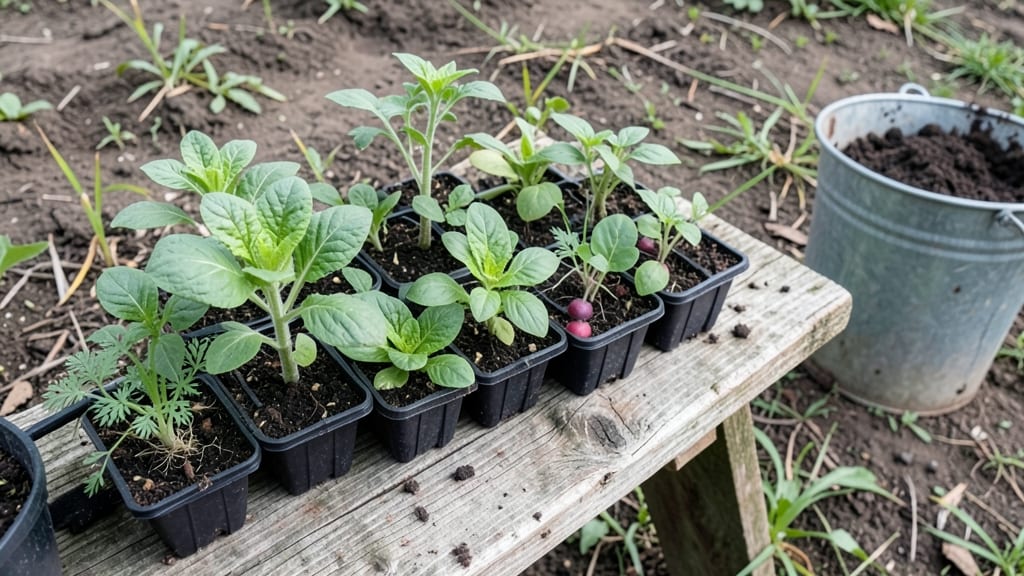
A 7A planting schedule follows a precise month-by-month timeline to maximize yields in warm climates, starting tomatoes and peppers in March, transplanting eggplants in April, and harvesting squash by October while avoiding frost-sensitive crops after July.
A 7A planting schedule is all about timing—your garden thrives when you align planting with the zone's 200-250 frost-free days. 🌱 For example, cool-season crops like broccoli can handle early spring or fall, while heat-lovers like okra need the soil to stay above 75°F for weeks.
I've found that urban gardens often need adjustments: sidewalks and buildings create microclimates that can push planting dates by 2-3 weeks compared to rural areas. The key is watching soil temps (not air temps) and having backup dates ready if spring stays cool.
This schedule isn't rigid—it's a framework. Succession planting (like every 2 weeks for lettuce) keeps your harvests flowing, while heat-tolerant varieties (like Malabar spinach) extend your growing season. The biggest mistake I see? Planting frost-sensitive crops too late—once night temps dip below 50°F, even hardened plants struggle.
That's why I always mark my calendar for the last expected frost date and work backward from my target harvest dates.
💡 In This Article
- How USDA Zone 7A Climate Affects Planting Timing
- Zone 7A Planting Calendar by Crop Type
How USDA zone 7A climate affects planting timing
Zone 7A's climate creates a delicate balance between warm summers and chilly winters, with an average of 200-250 frost-free days annually.
The critical factor here is the last spring frost, which typically occurs between March 15-30 in most 7A regions, while the first fall frost arrives around October 15-30.
This 5-6 month growing window forces gardeners to time plantings precisely—wait too long with warm-season crops, and you risk stunted growth or failure before harvest.
The science behind this involves soil temperature thresholds that trigger germination.
Warm-season plants like tomatoes and peppers won't sprout until soil reaches 60°F+, which usually happens by late March in 7A. Cool-season crops, however, can handle soil temps as low as 40°F, allowing for earlier spring or late fall plantings.
What most people don't realize is that air temperature is a poor predictor—soil can stay cold even when air warms above 50°F, especially in shaded or clay-heavy areas. 🌱
Comparing 7A to neighboring zones reveals key differences: Zone 7B enjoys 10-14 extra frost-free days, while Zone 8A has 30-45 more days. This means 7B can safely plant heat-lovers like eggplants 2 weeks earlier than 7A, while 8A might attempt two full harvests of tomatoes.
In 7A, the window for frost-sensitive crops like basil or cucumbers shrinks dramatically—plant them after May 1, or risk losing them to late frosts.
Microclimates add another layer of complexity. Urban gardens near concrete or asphalt can experience 5-10°F warmer soil temps than rural areas, allowing for earlier plantings. Conversely, windy hilltops or low-lying areas may see 2-3 weeks later frost dates.
I've found that low-tech solutions—like planting frost-sensitive crops near south-facing walls or using black plastic mulch—can extend the season by 2-3 weeks in 7A gardens. The key is observing your specific microclimate for 3-5 years to identify patterns.
Heat tolerance thresholds further refine planting decisions. Crops like okra and sweet potatoes thrive when nighttime temps stay above 70°F—something 7A experiences from June through September.
But by mid-August, day lengths shorten and temps begin dropping, signaling it's time to shift to cooler crops like kale or carrots. This seasonal shift is why 7A gardeners often use succession planting for greens, staggering sowings every 2 weeks to maintain harvests through October.
One advanced strategy is season extension using row covers or cold frames. In 7A, these can push the fall harvest window by 4-6 weeks, allowing for late plantings of lettuce or spinach that would otherwise bolt. The trade-off?
Higher humidity under covers can encourage fungal diseases, so proper airflow and ventilation become critical. For urban gardeners, container growing offers flexibility—pots can be moved to sunny spots or sheltered areas as needed, creating a custom microclimate within your space. 💫
The bottom line? Zone 7A's planting schedule is a dance between frost dates, soil temps, and heat thresholds. Mastering it means tracking your local patterns, understanding your microclimate, and having backup plans for unpredictable springs.
Start with reliable varieties suited to your zone, and don't be afraid to experiment with heat-tolerant alternatives—they're what make 7A gardening so rewarding despite its shorter growing season.