
Watering
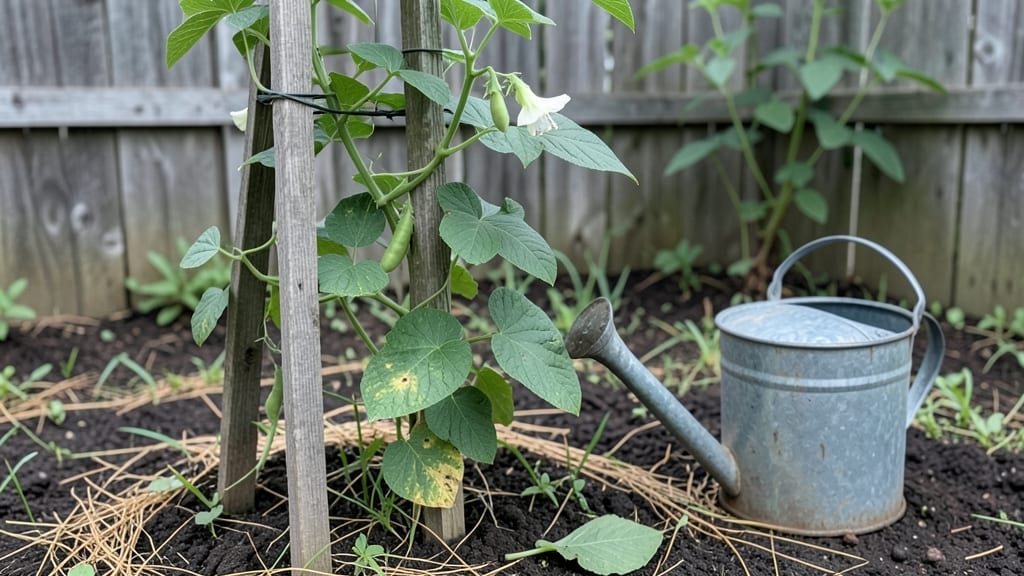
Watering pea plants 🌱 right keeps those vines climbing and pods plump—skip the guesswork, and you’ll end up with wilted stems or drowned roots.
Pea plants may seem low-maintenance, but mastering their watering schedule is the secret to lush vines and bursting pods—here’s how to avoid the most common mistakes that kill your harvest.
Too much water? Roots suffocate. Too little? Flowers drop before they set. The trick is keeping soil consistently moist without turning it into a swamp—especially in USDA Zone 6a, where spring rains can muddy up your garden faster than you can say "harvest time."
Below, I break down the exact watering rhythm for each stage—from seedlings to pod-heavy vines—and how to spot when your peas are thirsty or drowning. No more wasted effort or sad, shriveled pods!
The perfect watering schedule for pea plants (by growth stage)
Pea plants thrive on consistency, but their water needs shift dramatically from seedling to pod-bearing stages. Too little water stunts growth, while overwatering invites root rot and fungal diseases. The key is deep, infrequent watering that keeps soil evenly moist without drowning the roots.
I’ve grown peas for years, and the biggest mistake I see is shallow watering—just wetting the top inch of soil. This creates weak roots that can’t support heavy pods. Instead, aim to water until moisture reaches 6-8 inches deep, which encourages deep root growth and stronger vines.
Your pea plants’ watering needs change as they grow. Seedlings need gentle moisture to establish roots, while flowering plants demand more water to support blooms and pod development. Below is a stage-by-stage breakdown to keep your peas happy and productive.
Here’s a quick reference for watering pea plants at every growth stage:
<summary-table>During the seedling stage, focus on keeping the soil consistently moist but never waterlogged. Use a spray bottle or gentle watering can to avoid disturbing the tiny sprouts.
I’ve found that drip irrigation or soaker hoses work wonders here—they deliver water directly to the roots without disturbing the soil surface.
As your peas enter the vegetative stage (3-5 weeks), increase both frequency and depth. This is when their roots are expanding rapidly, and they need 3-4 inches of moisture to support new growth.
Water in the early morning to allow foliage to dry quickly, reducing the risk of fungal diseases like powdery mildew.
The flowering stage is where many gardeners make mistakes. Peas need more water now to support blooms and pod development, but you must avoid wetting the leaves. Use a watering wand or soaker hose to direct water at the base of the plant.
If you notice flowers wilting or dropping, it’s a sign of underwatering—increase frequency to every 2-3 days.
When pods begin forming, your watering routine becomes even more critical. Peas are 90% water when harvested, so consistent moisture is essential. In hot weather, I water my peas every 1-2 days, always in the morning to prevent evening evaporation.
A mulch layer of straw helps retain moisture and keeps soil temperatures stable.
One common mistake is assuming that rainfall replaces your watering. While rain
Signs of overwatering vs. underwatering pea plants (and how to fix it)
Pea plants thrive on consistent moisture but wilt quickly when watered incorrectly. Overwatering drowns roots, while underwatering stunts growth—both can ruin your harvest. The key is checking soil texture and plant signals before symptoms appear. I’ll show you how to spot these issues early and fix them fast.
Start by pressing the soil near your pea plants. If it feels soggy or clumps in your hand, you’re likely overwatering. For underwatering, the soil will be bone-dry and pull away from the pot edges. Both extremes stress plants, but the fixes couldn’t be more different—let’s break it down.
Overwatering Pea Plants: Risks & Fixes
- Root rot (mushy, brown roots)
- Yellowing leaves (starts at base)
- Fungal diseases (powdery mildew)
- Stunted growth (no new pods)
- Stop watering immediately
- Improve drainage (add perlite/sand)
- Repot if soil stays soggy
- Prune yellow leaves
Underwatering Pea Plants: Risks & Fixes
- Wilted leaves (crispy edges)
- Slow growth (tiny vines)
- Empty pods (no seeds)
- Dry soil cracks (hard clumps)
- Water deeply (1 inch per week)
- Mulch soil (retain moisture)
- Use drip irrigation (consistent flow)
- Check soil daily (top 1 inch dry?)
For overwatered peas, I recommend amending the soil with compost or coconut coir to improve aeration. If roots smell rotten, trim the affected areas and repot in fresh, well-draining mix. Yellow leaves? They’re a cry for help—prune them to redirect energy to healthy growth.
When plants are underwatered, focus on deep watering rather than frequent shallow drinks. Aim for 1 inch of water per week, adjusting for rain. A moisture meter ($10 tool) takes the guesswork out of it—stick it in the soil before watering to avoid overdoing it.
Pro tip: Morning watering prevents fungal issues from overnight dampness. If your soil drains poorly, mix in vermiculite or coarse sand to create air pockets. Peas hate soggy feet but love consistent hydration—think of it like a spa day for their roots!
Watch for new growth after adjusting your watering. Healthy pea plants should have bright green leaves and plump pods. If you’re still unsure, dig near the roots: they should be white and firm, not mushy or dry. Now you’re ready to grow peas like a pro! 🌱